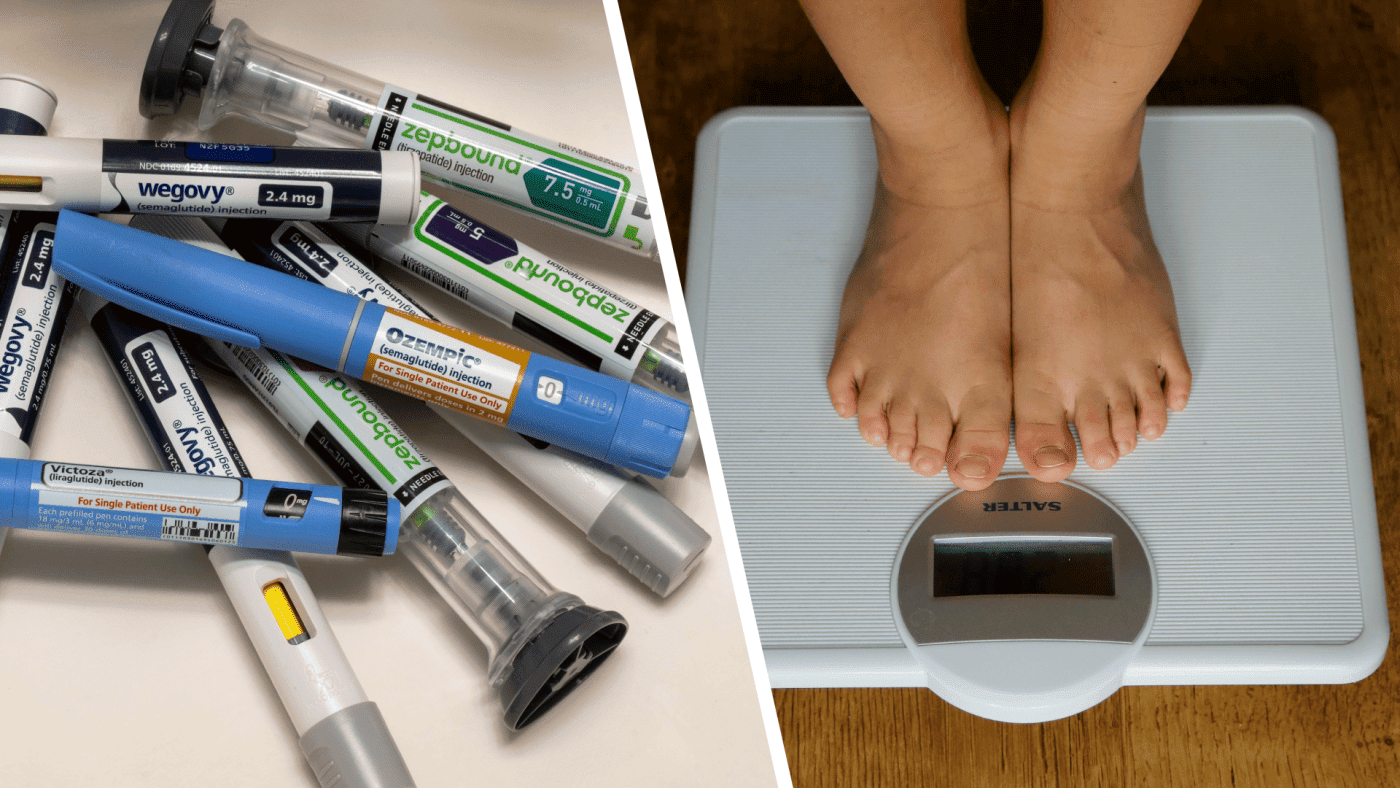
The rapid rise of compounded GLP-1 weight-loss medications—often cheaper and more accessible than brand-name drugs like Ozempic—has triggered sharp warnings from physicians and federal regulators over safety and quality concerns.
Last month, the U.S. Food and Drug Administration sent 25 warning letters to telehealth companies, accusing them of making false or misleading claims about these unapproved versions of the popular diabetes and obesity drugs. The FDA's action underscores a growing alarm over a market that has exploded as demand for GLP-1 treatments outstrips supply.

Unlike FDA-approved medications, compounded GLP-1 drugs have not undergone the rigorous clinical trials required to prove they are safe, effective, and consistently manufactured. Experts note that some of these products may contain additional ingredients or alternative forms of the active drug, raising the risk of adverse effects or unpredictable potency.
“Patients are essentially gambling with their health when they buy these compounded versions,” said Dr. Laura Chen, an endocrinologist at Johns Hopkins Medicine. “We have no idea what's actually in the vial.”
The issue has become a flashpoint in the broader debate over drug affordability and access. Compounded drugs are typically far cheaper than brand-name counterparts, making them attractive to uninsured patients or those whose insurance does not cover weight-loss therapy. Telehealth platforms have capitalized on this demand, offering online consultations and prescriptions for compounded GLP-1s with little oversight.
However, the FDA's letters highlight that such marketing often omits critical safety information. The agency has warned that patients may be exposed to drugs that are not sterile, contain incorrect doses, or include harmful impurities. In some cases, compounded versions have been linked to severe side effects, including hospitalizations.
The situation has also drawn attention to regulatory gaps. While compounding pharmacies are subject to state oversight, the FDA has limited authority over their products unless they cross state lines or cause widespread harm. That patchwork system has left patients vulnerable, especially as the popularity of GLP-1 drugs continues to climb.
For context, the broader impact of GLP-1 drugs on public health and the economy is significant. Recent studies have shown that these medications can slash long-term sick leave by 17%, boosting workforce productivity. Yet the rise of unregulated compounded versions threatens to undermine those gains by introducing unpredictable health risks.
Meanwhile, policymakers are grappling with how to balance access and safety. The Trump administration has proposed imposing a 100% tariff on generic drugs unless production moves to the U.S. by 2028, a move that could reshape the pharmaceutical landscape. And a panel convened by RFK Jr. is weighing peptide access amid ongoing safety and efficacy concerns, potentially setting the stage for new regulatory frameworks.
For now, doctors and regulators urge patients to avoid compounded GLP-1 drugs unless prescribed by a trusted physician and sourced from a licensed compounding pharmacy. The FDA has also advised consumers to verify the source of their medications and report any adverse effects through its MedWatch system.
As the debate intensifies, the core tension remains: how to ensure affordable access to life-changing therapies without compromising safety. The FDA's latest letters signal that the agency is prepared to police misleading marketing, but the broader challenge of regulating compounded drugs in a booming market is far from resolved.