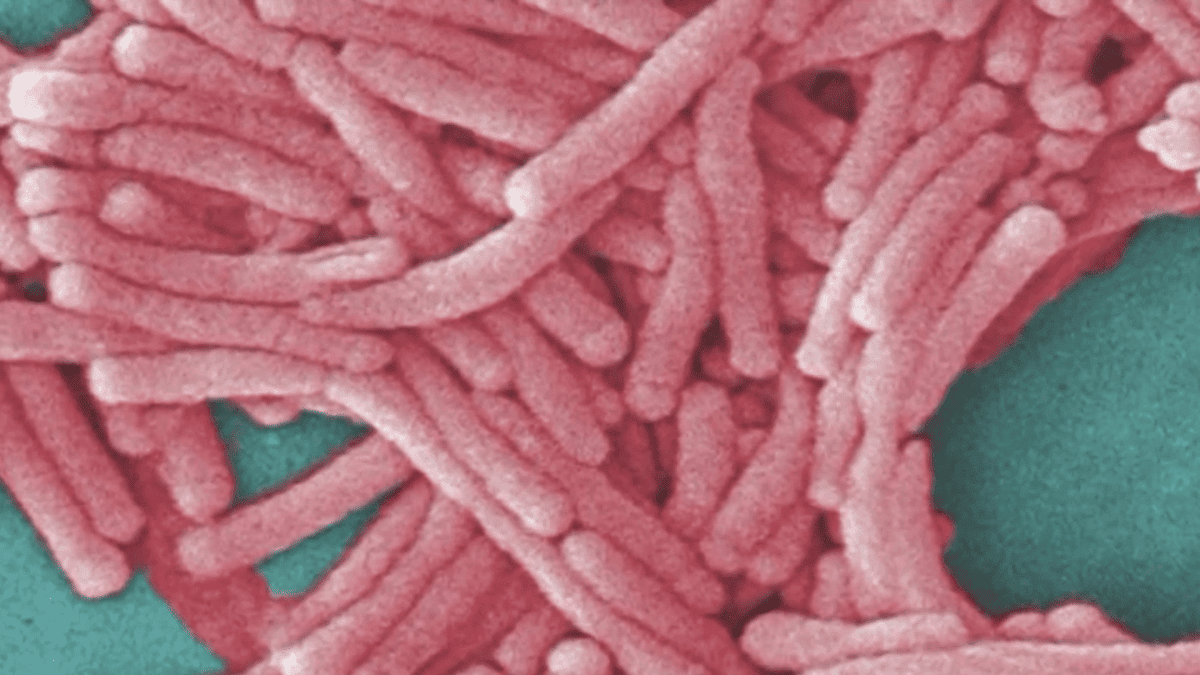
The Centers for Disease Control and Prevention (CDC) announced Wednesday that a Salmonella outbreak sickening 345 individuals across 27 states has been traced to jalapeño peppers distributed by Coast Citrus Distributors. The peppers originated in Sinaloa, Mexico, according to traceback investigations. No deaths have been reported, but 36 people have been hospitalized.
Illnesses began between June 19 and July 20, with the CDC advising consumers to avoid recalled products and to thoroughly wash and sanitize any surfaces that may have come into contact with the peppers. Symptoms of Salmonella include diarrhea, fever, and stomach cramps, which typically appear within 12 to 72 hours after exposure.

Restaurants Respond
In response to the outbreak, major fast-food chains Chipotle and Qdoba have stopped serving jalapeños in their restaurants. The CDC clarified that these chains are not currently considered a risk to consumers, but the Food and Drug Administration (FDA) is investigating whether any affected peppers were distributed to grocery stores.
This incident adds to the ongoing scrutiny of food safety regulations, especially as the FDA works to trace the full supply chain. The agency is coordinating with state and local health officials to identify any additional points of sale.
Separate Egg Outbreak
The jalapeño outbreak occurs alongside a separate Salmonella outbreak linked to white and cage-free brown eggs. That outbreak has affected 17 states, with 98 reported illnesses and 26 hospitalizations. The source has been traced to an egg producer in Texas, which also reports the highest number of cases. However, illnesses have been reported as far away as Michigan and New York.
Health officials are urging consumers to check for recalls and to follow safe food handling practices, including cooking eggs thoroughly and avoiding cross-contamination in the kitchen.
These back-to-back outbreaks highlight ongoing challenges in food safety, particularly with imported produce and large-scale agricultural operations. The CDC and FDA continue to monitor both situations and will provide updates as new information emerges.
For now, the CDC recommends that consumers remain vigilant, especially those with weakened immune systems, pregnant women, and young children, who are at higher risk for severe illness.
While the immediate risk from the jalapeño contamination appears limited to specific batches, the investigation underscores the importance of robust traceability systems in the food supply chain, a topic that has gained attention among policymakers and public health experts.