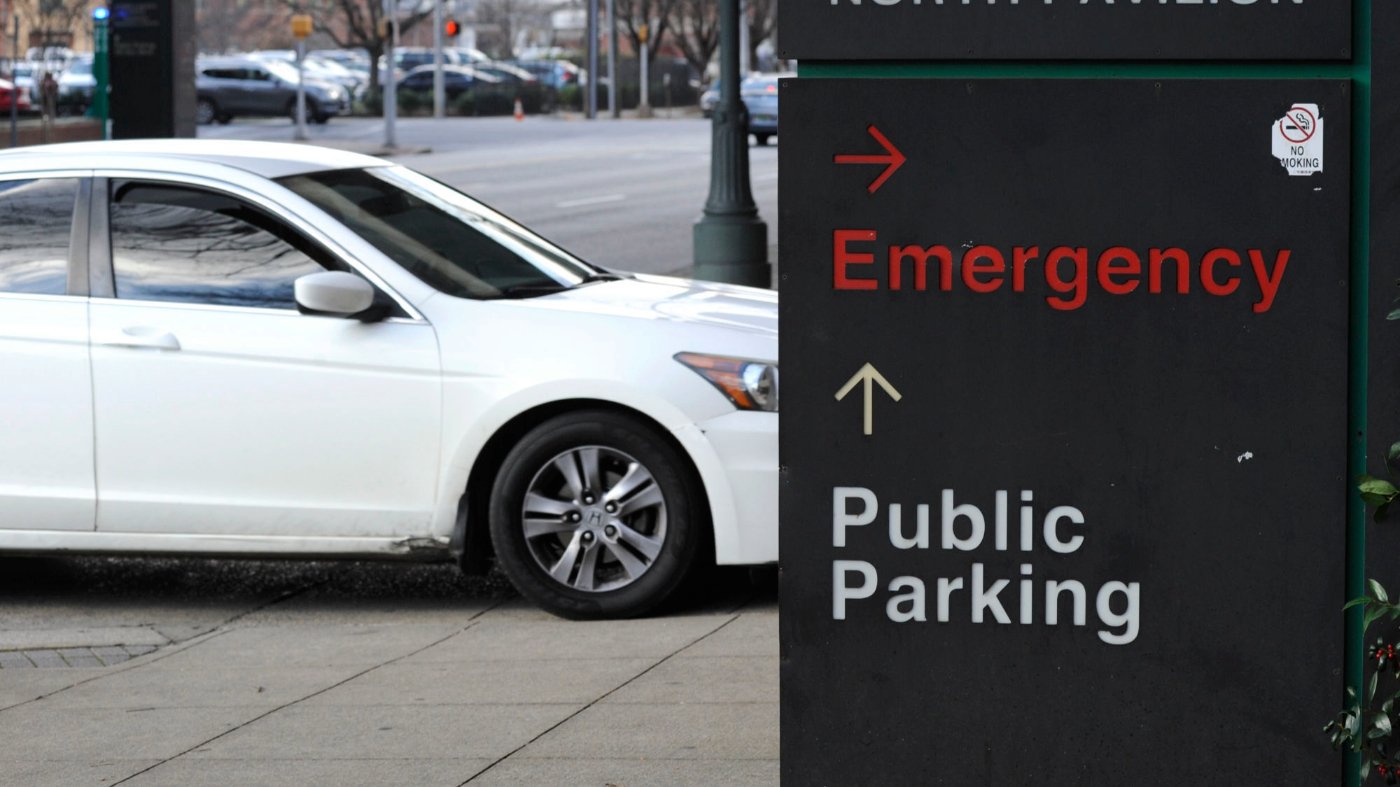
America's hospital emergency care system is in a state of collapse. The warning signs are unmistakable: hours-long waits, overcrowded waiting rooms, exhausted staff, and a wave of closures hitting rural and community emergency departments. These are not isolated incidents but symptoms of a deeper structural failure—a growing chasm between the demand for acute, unscheduled care and the resources available to provide it.
When emergency departments work, they offer a federally guaranteed 24/7 lifeline for strokes, heart attacks, trauma, and other urgent conditions, regardless of a patient's ability to pay. When they fail, that safety net unravels, leaving patients, communities, and the entire healthcare system exposed.

A recent RAND Corporation study quantified the immense value emergency departments provide: they are the backbone of acute care, a backup for primary care physicians, a hub for care coordination, a treatment center for the uninsured, and a critical resource for public health and disaster response. Yet despite this, emergency physicians face repeated reimbursement cuts, no inflation adjustments, and often zero payment for the public health functions they perform. Unlike other specialties, emergency departments cannot simply reduce services to match dwindling funds—they must remain open, even at a loss. The result is a growing wave of closures, particularly in already underserved areas, a crisis that has been treated as a series of unfortunate events rather than a systemic disease.
But the situation can be fixed. Dr. Randy Pilgrim, enterprise chief medical officer at SCP Health, argues for a three-part strategy: immediate stabilization, medium-term prevention of further damage, and long-term systemic resilience.
Step One: Stabilize with Payment Integrity
The first and most urgent step is to ensure that emergency departments are paid fairly for the care they provide. Currently, 20% of emergency physicians' services go entirely unreimbursed—the highest rate of uncompensated care among all specialties. That's a massive subsidy to patients and the system, but it also threatens the economic survival of emergency practices.
Even for services that are reimbursed, the RAND study shows that insurance companies and commercially insured patients are paying an ever-shrinking share of what is owed. Insurers routinely downcode, deny, or delay payment for care that is legally required under the Emergency Medical Treatment and Active Labor Act and the Prudent Layperson Standard. This forces emergency practices to divert scarce resources from patient care to billing battles. The solution is clear: enact policies that mandate prompt and appropriate reimbursement for emergency care.
Step Two: Prevent Further Deterioration
Once the system is stable, policymakers must stop the bleeding by reforming the legislative and regulatory mechanisms that trigger additional funding cuts. A prime example is the Medicare Physician Fee Schedule. According to the American Medical Association, physician pay has fallen 33% since 2001 after adjusting for inflation. Year after year, the schedule fails to include inflation updates and has even imposed absolute cuts, while other parts of healthcare receive increases.
Congress must modernize the fee schedule by incorporating automatic inflation adjustments, blocking further absolute cuts, and protecting hospital-based emergency care, especially in rural and underserved communities. Without such reforms, emergency practices will remain financially fragile and patients will face preventable risks.
Step Three: Build Long-Term Resilience
Finally, the system needs to be right-sized for the future. The patient population is older, sicker, and more complex than ever. Outpatient services have not kept pace, forcing patients to turn to emergency departments for non-emergency needs. For instance, in 2020, 30% of emergency visits were for mental health issues alone—a direct result of limited access to behavioral healthcare.
Long-term resilience requires meaningful investment in primary care, behavioral health, and specialty services. Expanding these options will reduce preventable emergency department use, ease crowding, and preserve hospital resources for true emergencies.
Emergency departments are not optional. They are a fundamental pillar of American healthcare, relied upon by patients, providers, and payors alike. The systemic problems are well-documented and can no longer be ignored. As Dr. Pilgrim warns, the policy and reimbursement choices made today will determine whether this critical component of healthcare survives or crumbles. The latter would be a devastating loss for the nation.