Where Americans are happiest may not be where you'd expect. A fresh analysis from WalletHub, released this week, ranks 182 of the nation's largest cities based on a composite of income, mental health, physical well-being, and social connectivity. The top spot goes to Fremont, California, a Silicon Valley suburb that beat out more than 180 other municipalities.
WalletHub analyst Chip Lupo pointed to a key income threshold in the findings. "Research shows that having more money only increases your happiness until you're making at least $75,000 per year — anything more you earn likely won't have an impact," Lupo said. The study used that $75,000 figure as a benchmark, measuring the share of households in each city earning above that level.
The Top Five Happiest Cities
- Fremont, California
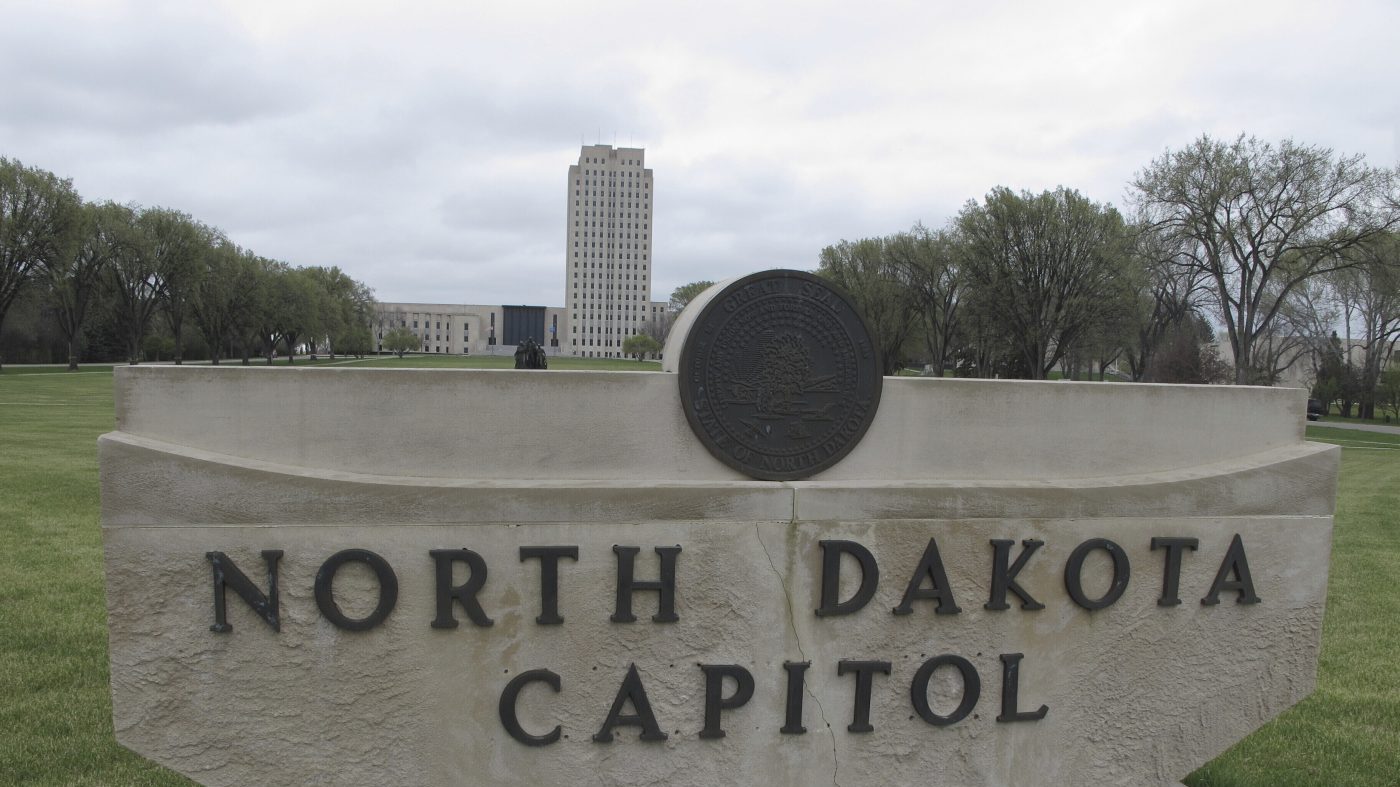
- Bismarck, North Dakota
- Scottsdale, Arizona
- South Burlington, Vermont
- Fargo, North Dakota
The list reflects a mix of affluent tech hubs, midwestern state capitals, and smaller New England communities. Beyond the top five, other high scorers included Madison, Wisconsin; Portland, Maine; and Columbia, Maryland. Notably, several of these cities are state capitals or suburbs of them, suggesting that proximity to government jobs and stable public services may contribute to resident satisfaction.
Fremont's top ranking is consistent with its high median household income and robust local economy, but the WalletHub methodology goes beyond dollars. The study also weighed mental and physical health metrics, such as rates of depression, obesity, and life expectancy, as well as social factors like marriage rates, volunteerism, and community engagement. This broader approach aims to capture the everyday quality of life that pure economic data can miss.
The inclusion of Bismarck and Fargo highlights a trend: smaller, less congested cities in the Upper Midwest are punching above their weight in happiness surveys. These cities offer lower cost of living, strong social bonds, and relatively low crime rates, which may offset their colder winters. Meanwhile, Scottsdale's sunny climate and active lifestyle likely boost its scores in physical health and recreation.
South Burlington, Vermont, is another notable entry, reflecting a pattern seen in other rankings of happy places: mid-sized cities with access to nature and a strong sense of community. Portland, Maine, similarly combines coastal charm with a tight-knit population, and Madison benefits from its status as a college town with a vibrant cultural scene.
For policymakers, the rankings offer more than bragging rights. The emphasis on income, health, and social ties suggests that investments in public health, affordable housing, and community programs could influence how residents rate their own well-being. As debates continue over economic policy and social safety nets, these findings may feed into discussions about what makes a city livable — a topic that resonates with voters ahead of the midterm elections. In fact, the role of economic strain in shaping Americans' outlook has been a recurring theme in recent coverage, including how AI and economic strain are redefining retirement for many older residents.
While WalletHub's methodology is not without critics — some argue that self-reported happiness is subjective and that income thresholds are arbitrary — the study provides a snapshot of which cities are thriving. For those considering a move, the list offers a starting point. But as analysts note, happiness is personal, and a city that ranks high for one person may not suit another.
The full WalletHub report includes interactive maps and detailed breakdowns for all 182 cities, allowing residents to see how their hometown stacks up. For now, Fremont can claim the crown, but the pursuit of happiness, as the Declaration of Independence suggests, remains a deeply individual endeavor.