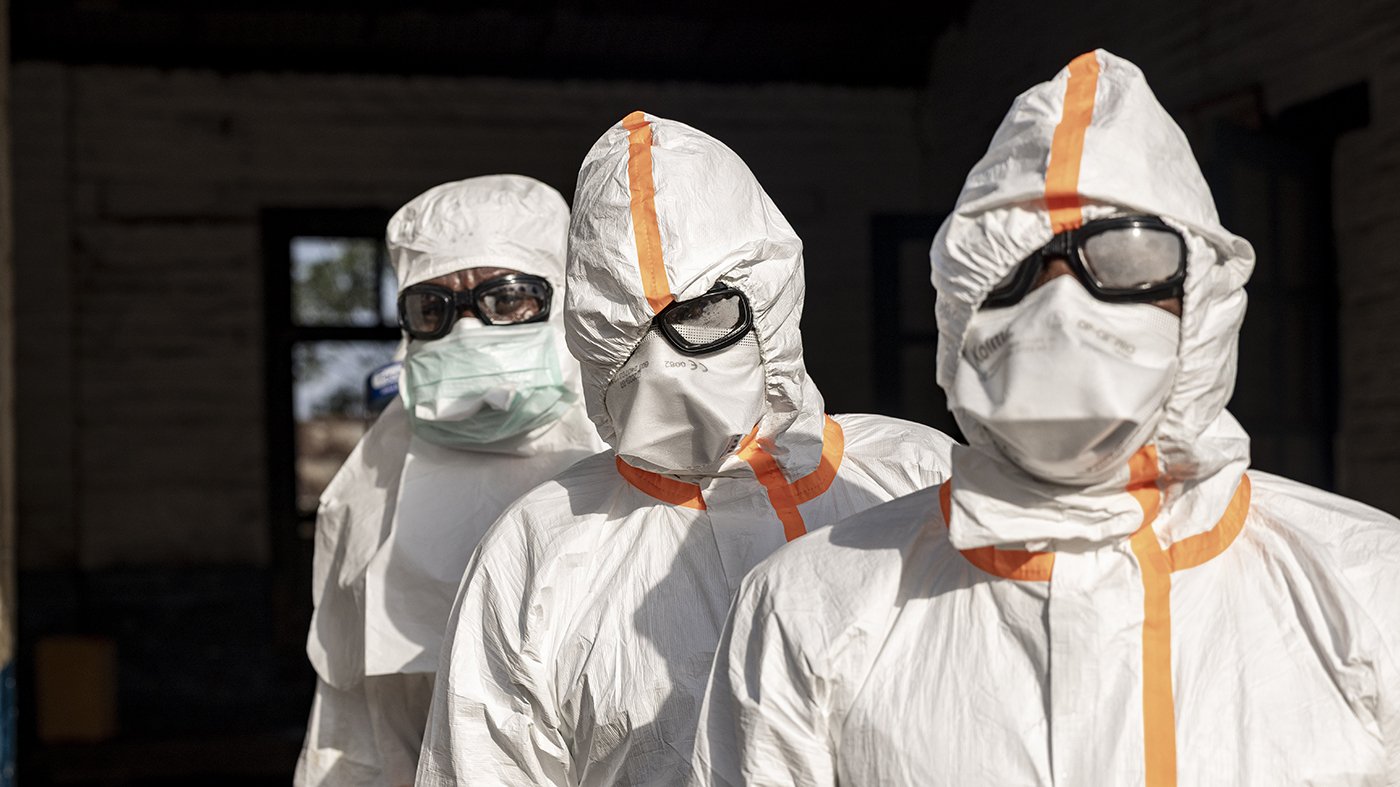
The Ebola outbreak in eastern Democratic Republic of Congo has now claimed more than 1,700 lives, according to new government figures, as health authorities concede that efforts to trace contacts of infected individuals are faltering.
As of Tuesday, the virus had killed 1,707 people out of 3,802 confirmed cases, the Associated Press reported, citing an official update from the Congolese health ministry. The numbers underscore the severity of an epidemic that has raged since May and shows no signs of abating.
Contact Tracing Breakdown
Jean Kaseya, director-general of the Africa Centres for Disease Control and Prevention, told the AP that the government cannot predict when the outbreak will peak. He described current contact tracing—the practice of identifying and monitoring those who may have been exposed to the virus—as “not working,” which hampers efforts to gauge the true scale of the outbreak.
The Democratic Republic of Congo's Ministry of Health first declared the outbreak on May 15. In June, the U.S. Centers for Disease Control and Prevention (CDC) announced it was ramping up its response, noting that the disease had already spread into neighboring Uganda.
CDC Response Escalation
Satish Pillai, the CDC's Ebola response incident manager, said at the time that “elevating the response level reflects the urgency, scale, and complexity of the outbreak,” adding that it allows the agency to bring additional resources to support coordination and operational needs. He also indicated that staffing levels would be adjusted based on the outbreak's trajectory, emphasizing that agency leadership was taking the situation seriously.
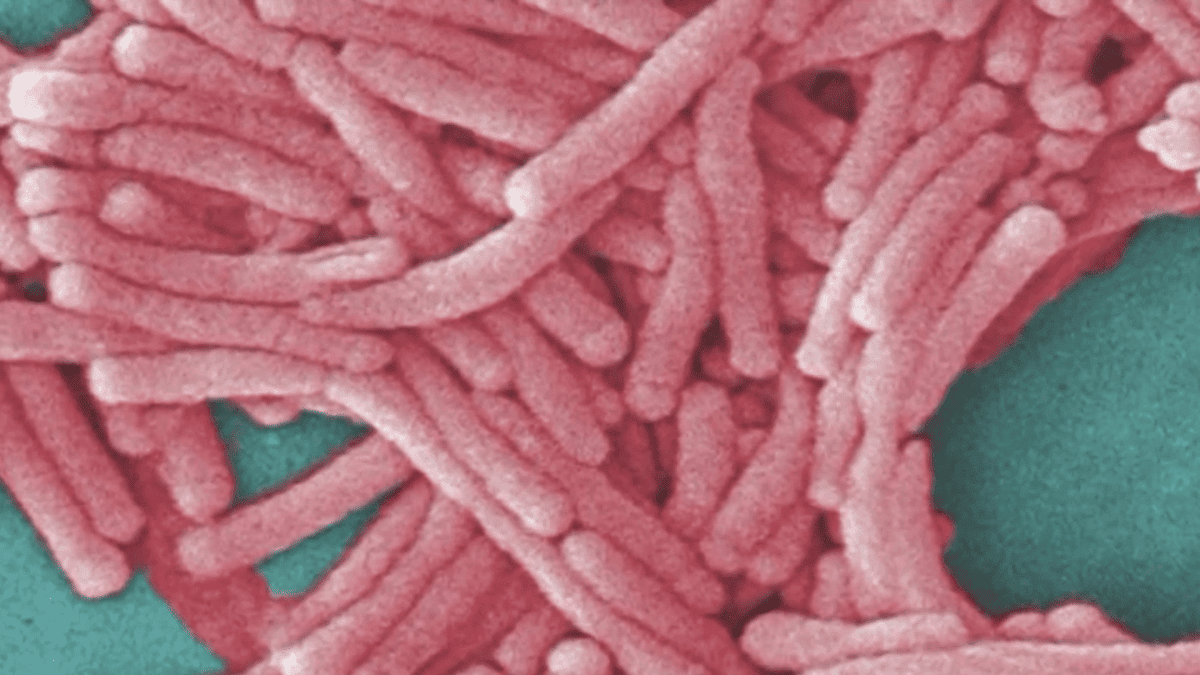
The strain responsible for this outbreak is the Bundibugyo virus, a less common Ebola species. The World Health Organization's African Region confirms that no licensed vaccines or approved therapeutics exist for this particular strain, leaving clinicians with limited options.
Research and Treatment Gaps
According to the WHO African Region, there is no known treatment for Bundibugyo virus disease. However, several clinical trials are underway, including drug trials and two distinct vaccine trials, the AP reported. The WHO's Africa Region says it is “supporting accelerated research and development efforts to evaluate candidate vaccines and investigational therapeutics” as it continues to monitor the outbreak.
The ongoing crisis has drawn attention from U.S. lawmakers, with some pressing for the release of funds earmarked for Ebola family planning. In a related development, two senators have urged Secretary of State Marco Rubio to unfreeze those resources, as reported in a recent diplomatic push.
Meanwhile, the broader public health landscape remains fraught, with other infectious disease threats emerging elsewhere. For instance, a drug-resistant fungus outbreak has now been confirmed in 23 states, and a cyclospora outbreak has claimed lives in Michigan amid a nationwide surge. These parallel challenges highlight the strain on global health systems.
As the Ebola death toll climbs, the lack of a proven vaccine or treatment for the Bundibugyo strain remains a critical gap. Health officials warn that without effective contact tracing, the outbreak's true trajectory may be far worse than current numbers suggest.