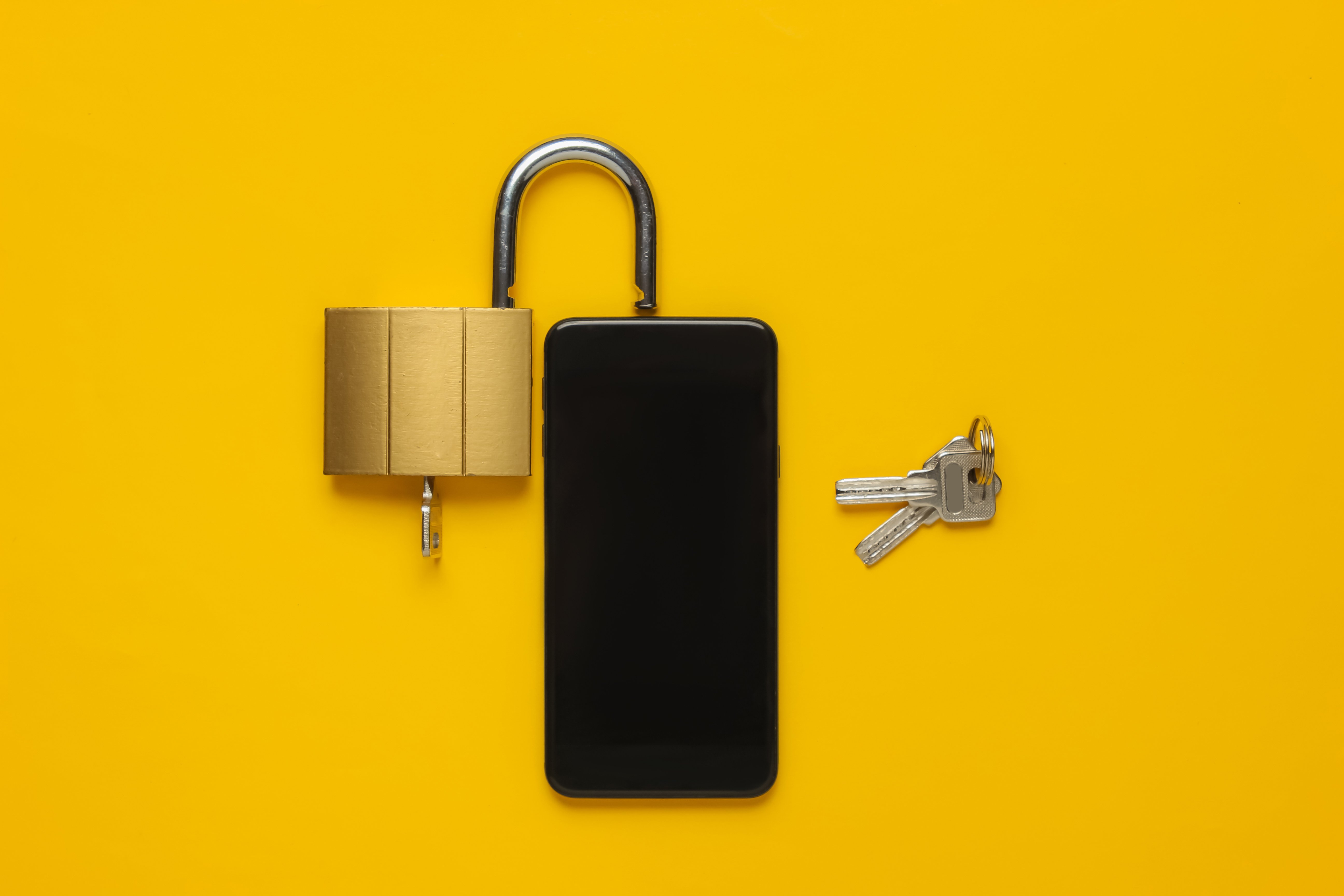
The Supreme Court handed down a significant Fourth Amendment ruling last week in Chatrie v. United States, barring police from sweeping up cellphone location data without a warrant. The decision, which blocks the practice known as geofencing—where authorities demand Google or phone companies hand over records of every device at a crime scene—was hailed as a victory for digital privacy. But legal experts caution that the ruling may not be the transformative shift many hope for.
In Chatrie, the court held that police must obtain a warrant before accessing historical location data from cellphone providers. The opinion, written by Justice Samuel Alito, emphasized the broad privacy interests at stake, echoing language from a landmark 2014 case, Riley v. California, which unanimously barred warrantless cellphone searches incident to arrest. In that decision, Chief Justice John Roberts famously wrote about the “privacies of life” that modern phones contain.

Yet a decade after Riley, the practical impact has been limited. Police quickly adapted, citing other longstanding exceptions to the Fourth Amendment’s warrant requirement. Border agents, for example, routinely search tens of thousands of phones at international airports and border crossings without a warrant, relying on the border search exception. School officials search students’ phones under a lower standard than probable cause. And millions of Americans on probation or parole are subject to warrantless searches of their devices.
Consent remains the biggest loophole. Every year, millions of people voluntarily allow police to search their phones, often without knowing they can refuse. The Riley court did not impose stricter rules for obtaining consent, so police continue to ask—and Americans continue to oblige, no warrant or probable cause required.
“We have seen this movie before,” wrote Adam Gershowitz, a law professor at William and Mary, in a commentary on the ruling. “The original version ended with a whimper, not a bang.” He noted that the Supreme Court has not taken up any new cases testing the boundaries of Riley in the dozen years since it was decided.
The Chatrie decision may yet prove different. Some commentators have speculated that the court is poised to dramatically reshape Fourth Amendment doctrine to protect digital privacy as rigorously as it protects the home. But Gershowitz warns that if past is prologue, it could be years before the court clarifies the scope of its ruling.
In the meantime, law enforcement will continue to exploit other avenues to access cellphone data. The practical effect of Chatrie may be narrow: police can no longer demand location history from providers without a warrant, but they can still search phones under the border, probation, school, or consent exceptions. As Gershowitz put it, “That won’t stop them from aggressively pursuing cellphone data in lots of other ways.”
The ruling comes amid broader debates over digital privacy and government surveillance. For now, the message is clear: the Supreme Court has drawn a line on geofencing, but the Fourth Amendment’s protections for cellphones remain far from absolute.