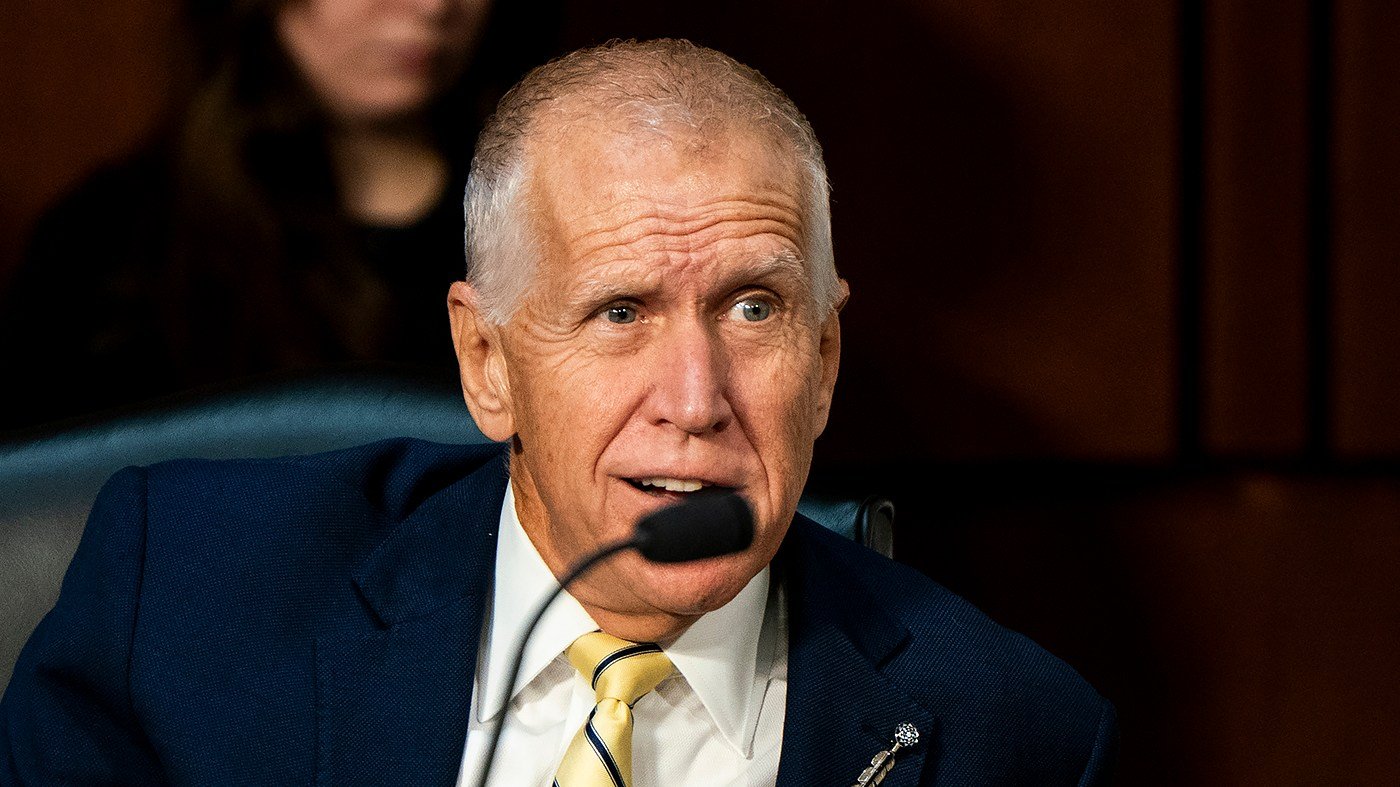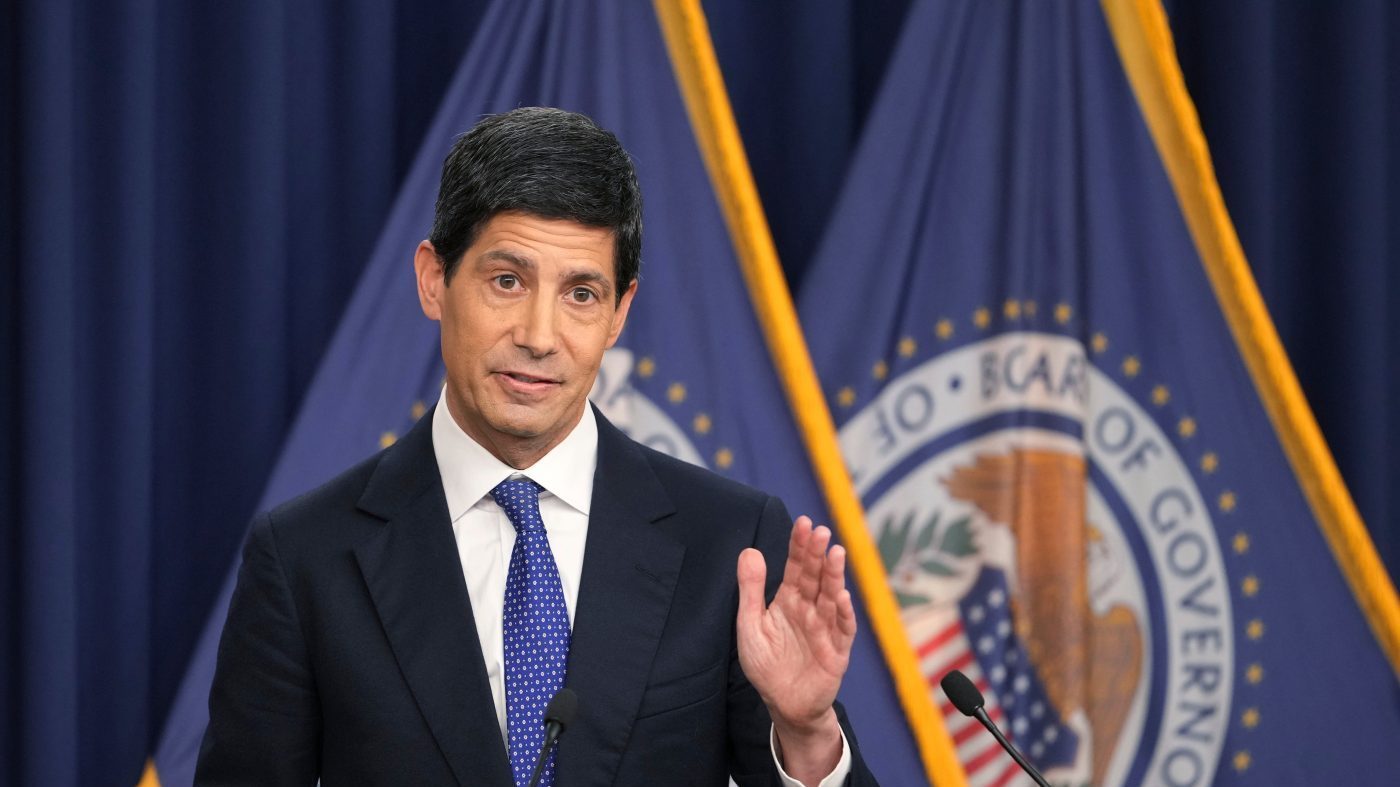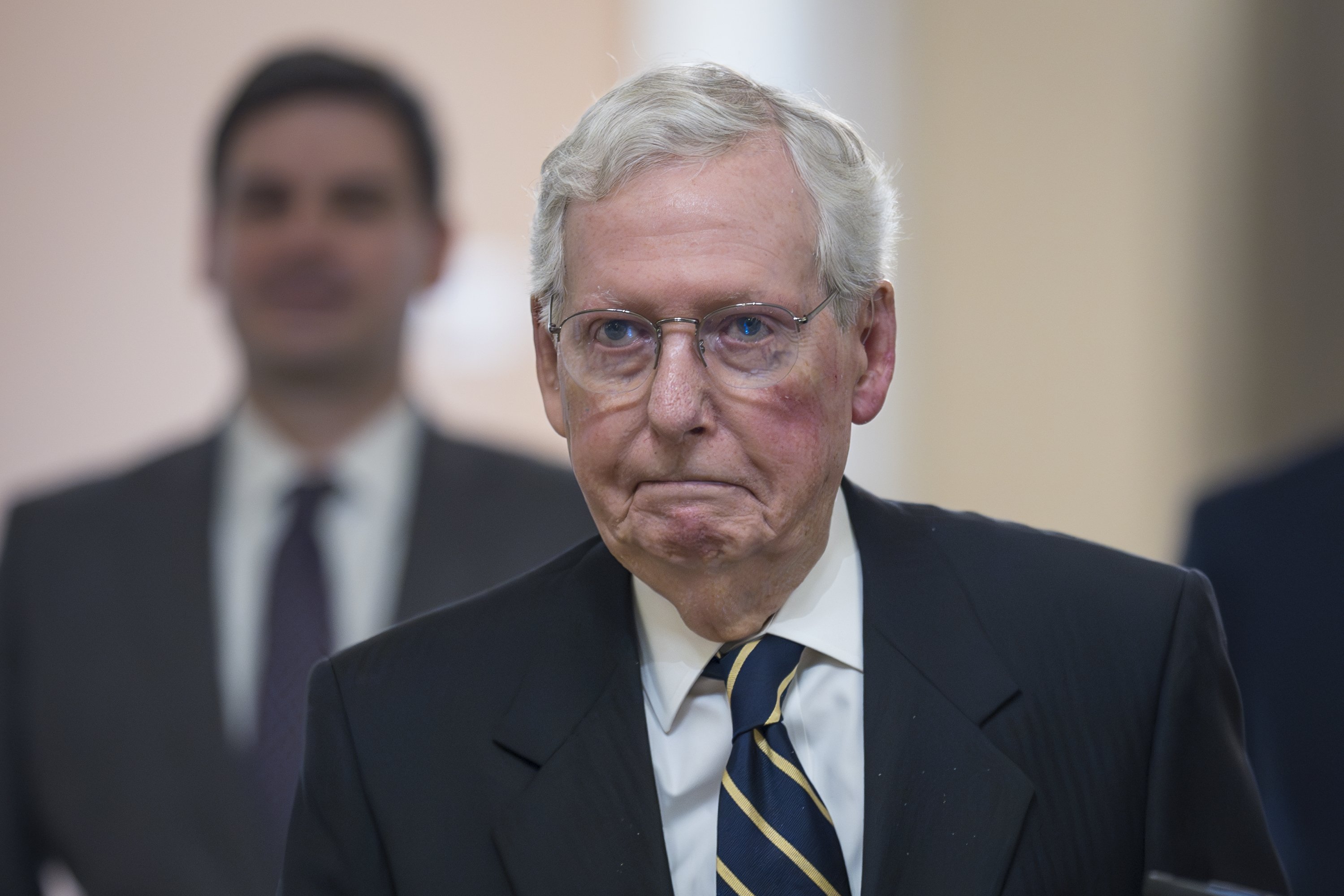
The prolonged and often unexplained absences of two Republican lawmakers from Washington have intensified discussions about the level of health transparency elected officials should provide to their constituents.
Sen. Mitch McConnell (R-Ky.) has been hospitalized for more than three weeks, with his staff offering scant details about his condition. Recently released 911 dispatch audio revealed that paramedics responded to a report of an unconscious person in cardiac arrest at McConnell's Washington residence on the day he was admitted. His office has only stated that the 84-year-old senator is recovering.

This lack of disclosure follows Rep. Tom Kean Jr. (R-N.J.) returning to Congress last week after a four-month absence, which he attributed to treatment for depression. The secrecy surrounding both cases has sparked debate over the balance between lawmakers' privacy rights and the public's need for information.
McConnell represents over four million Kentuckians, while Kean's district includes more than 700,000 residents. The void of official information has fueled speculation, with some questioning whether conditions were downplayed. Right-wing activist Laura Loomer claimed on social media that McConnell was “brain dead” and would not return, though Senate GOP leaders later released statements saying they had spoken with him to counter those rumors.
Kentucky Governor Andy Beshear, a Democrat, publicly urged McConnell to provide a health update, writing in a letter that “allowing speculation to continue in the media is not fair to the Senator or to Kentuckians.” Democratic congressional candidates in Kentucky, including Charles Booker and Zach Dembo, have also called for more transparency. Dembo noted, “We need to know some sense of what’s going on,” while Booker stated, “It’s time we know what’s happening.”
House Speaker Mike Johnson (R-La.) said he encouraged Kean to be more open about his situation, adding that mental health struggles are common and that constituents would empathize. However, Rep. Lauren Boebert (R-Colo.) criticized Kean's absence, calling it “embarrassing” and questioning who gets four months off for being “sad.”
Beyond representation concerns, absences can significantly impact legislative operations. McConnell's vote is critical for passing government funding bills, and as chair of the Senate Appropriations Subcommittee on Defense, his absence could allow Democrats to stall spending bills. In the House, Speaker Johnson's slim majority makes every vote essential, with attendance already a major factor in GOP governance.
Health issues are not the only driver of absences; some lawmakers miss votes to campaign for higher office. But the recent cases of McConnell and Kean have sharpened scrutiny on what voters deserve to know about their elected officials' fitness to serve.
For more on the debate, see our coverage of Beshear's demand for McConnell to disclose health details and McConnell's huddle with GOP leaders amid ongoing health doubts.