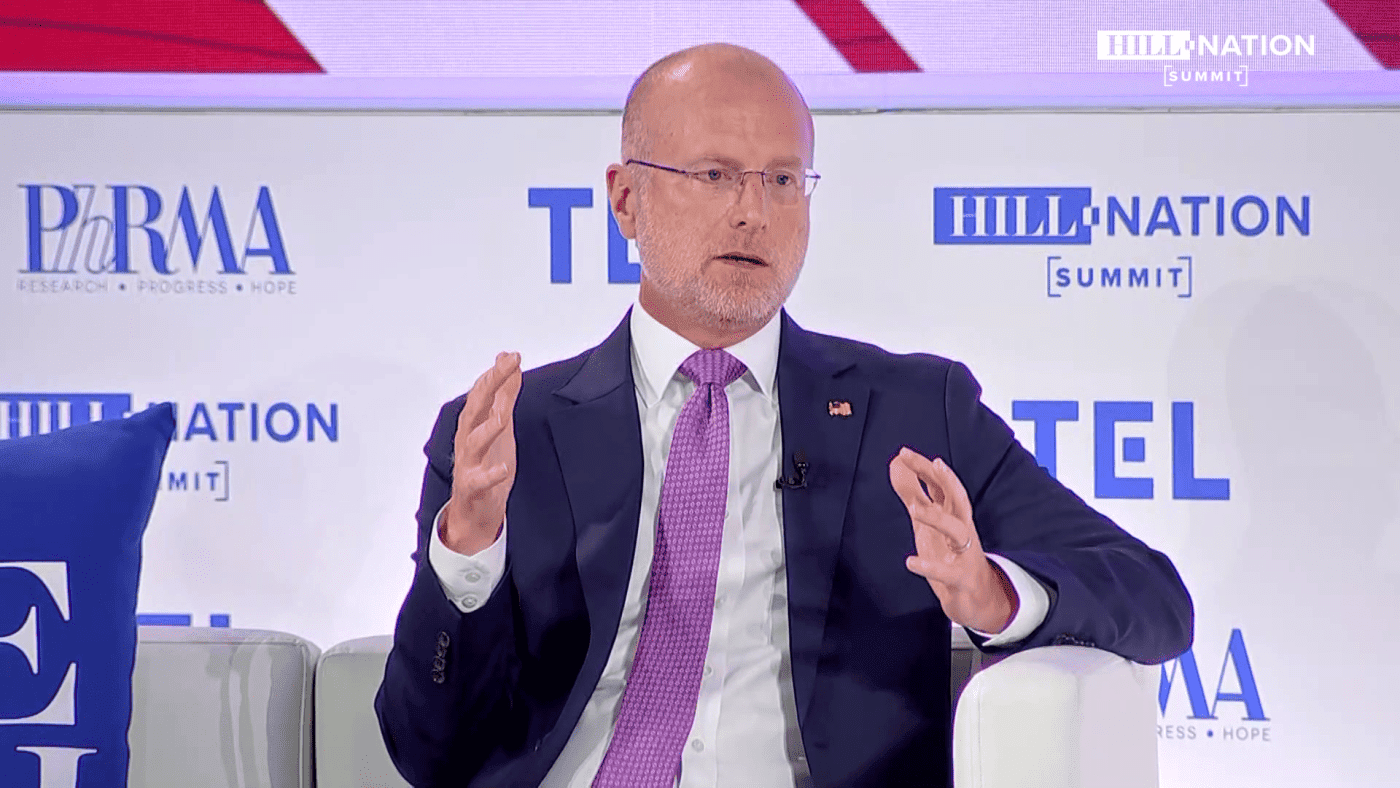
FCC Chair Brendan Carr warned Wednesday that local television news is at a breaking point unless broadcasters are allowed to consolidate more aggressively, arguing the current cap on station ownership is preventing the industry from achieving the scale needed to sustain journalism.
Speaking at The Hill Nation Summit, Carr defended an August 6 vote that will allow the FCC to waive the 39% national ownership limit on a case-by-case basis, calling it a critical tool for struggling local stations. “It’s really been holding back local broadcasters from reaching the scale necessary to invest in local news and journalism reporting,” Carr said.

The current rule prohibits any single company from owning stations reaching more than 39% of U.S. households. However, Nexstar Media Group, the parent company of NewsNation and The Hill, recently exceeded that cap when it acquired Tegna stations, a deal approved by the FCC but now under legal challenge.
Nexstar spokesperson Gary Weitman backed Carr’s push, saying in a statement that “modernizing these outdated regulations will help ensure broadcasters can continue investing in local journalism and providing the free, trusted news and information that communities across America rely on every day.”
Carr has argued the cap is unfair because cable networks and internet platforms face no similar ownership restrictions. In an op-ed announcing the vote, he wrote that the rule puts over-the-air broadcasters at a competitive disadvantage, even though they remain among the most trusted news sources in their communities.
The push comes as the industry struggles to adapt to shifting viewer habits and financial pressures. Total television news employment dropped 3.3% in 2024 from its 2021 peak, and Carr warned that without structural changes, more newsrooms will close. “I think if you care about local news, local information, we have to do something other than this trajectory of newsroom shuttering, local news jobs closing,” he added.
Carr’s tenure has also drawn controversy. Since President Trump returned to office, he has threatened Disney over jokes made by late-night host Jimmy Kimmel and challenged the classification of The View as a news program—a move that has made producers hesitant to book political candidates due to potential equal time obligations. Disney is fighting those efforts in court.
Critics worry that further consolidation could reduce local editorial independence, but Carr insists the waiver process will be handled carefully. The FCC remains obligated to ensure broadcasters operate in the “public interest,” a standard Carr says can be met even with larger ownership groups.