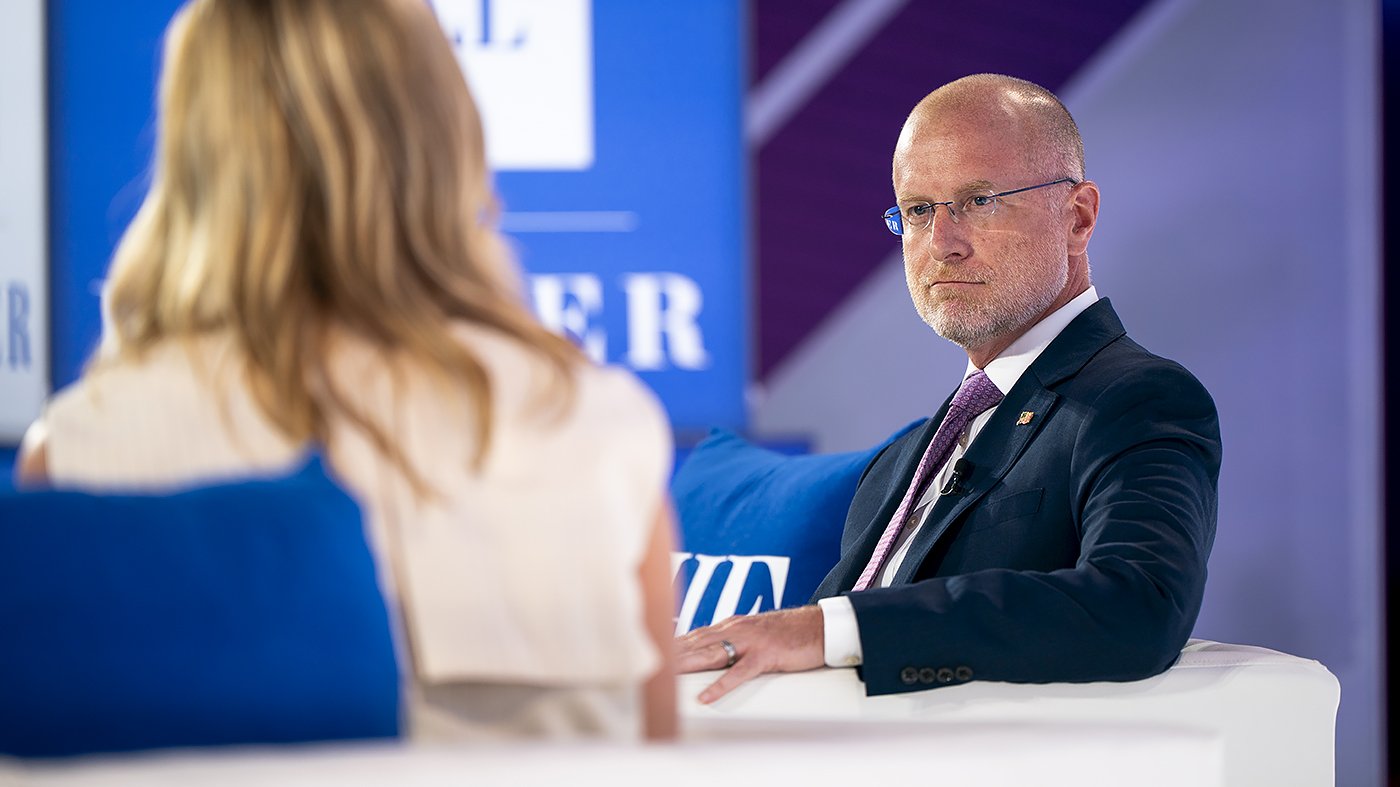
Federal Communications Commission Chair Brendan Carr suggested Wednesday that California could withdraw from a joint antitrust lawsuit opposing Paramount Skydance's acquisition of Warner Bros. Discovery if the deal includes spinning off CNN as an independent media entity.
Speaking to The Hill's Julia Manchester, Carr referenced recent news reports indicating that California had floated the idea of dropping all antitrust litigation, contingent on one condition: the spin-off of CNN. He expressed skepticism about the lawsuit's chances, saying, “I don’t understand what antitrust theory you have that says there’s a problem with this acquisition that is made or broken based on one cable channel being included.”
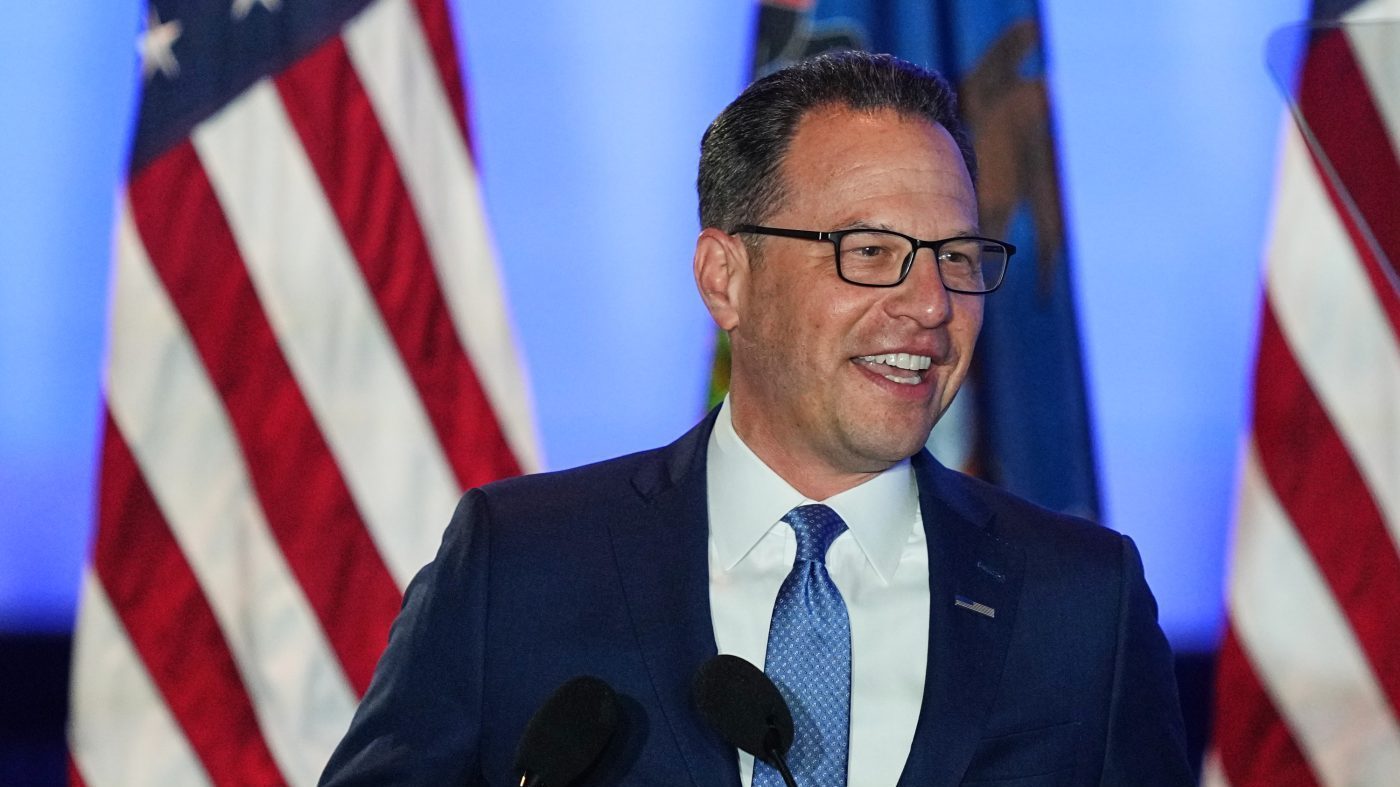
The FCC chair added that the proposed condition “is a bit of a tell that this really isn’t a legitimate antitrust case, but ultimately, that’ll be up for the courts to decide.” His remarks came as 12 state attorneys general, led by California's Rob Bonta, filed a lawsuit Monday to block the $100-billion merger, arguing it violates antitrust law and would give Paramount excessive leverage over theaters and cable distributors, ultimately raising consumer prices.
Bonta stated, “These titans of industry must not move to merge until a court properly evaluates our claims,” adding, “I will not let Warner Bros. and Paramount merge without a fight.” The companies countered in a statement that the lawsuit “distorts settled antitrust law and is based on a misrepresentation of competition in the entertainment industry today.”
The merger would bring one of Hollywood's oldest film studios under the control of David Ellison, son of Oracle founder and Trump ally Larry Ellison, one of the world's wealthiest individuals. President Trump has publicly backed the deal, expressing interest in seeing CNN, a network he frequently criticizes, under new ownership.
Carr's comments highlight the political dimensions of the case, as California's Democratic attorney general pursues a legal battle that could reshape the media landscape. The FCC chair's suggestion that a CNN spin-off might resolve the dispute underscores the unusual nature of the antitrust challenge. For more on the lawsuit, see our coverage of the 12-state lawsuit blocking the Paramount-Warner merger.
Meanwhile, the broader political backdrop includes ongoing tensions between California and the Trump administration, as seen in Governor Newsom's recent veto of a bipartisan housing bill. The merger's fate now rests with the courts, which will weigh the antitrust arguments against the companies' defense.
As the legal process unfolds, industry observers note that the outcome could set a precedent for media consolidation. Carr's remarks suggest that the case may be more about political leverage than sound antitrust enforcement, a view that could influence judicial proceedings.