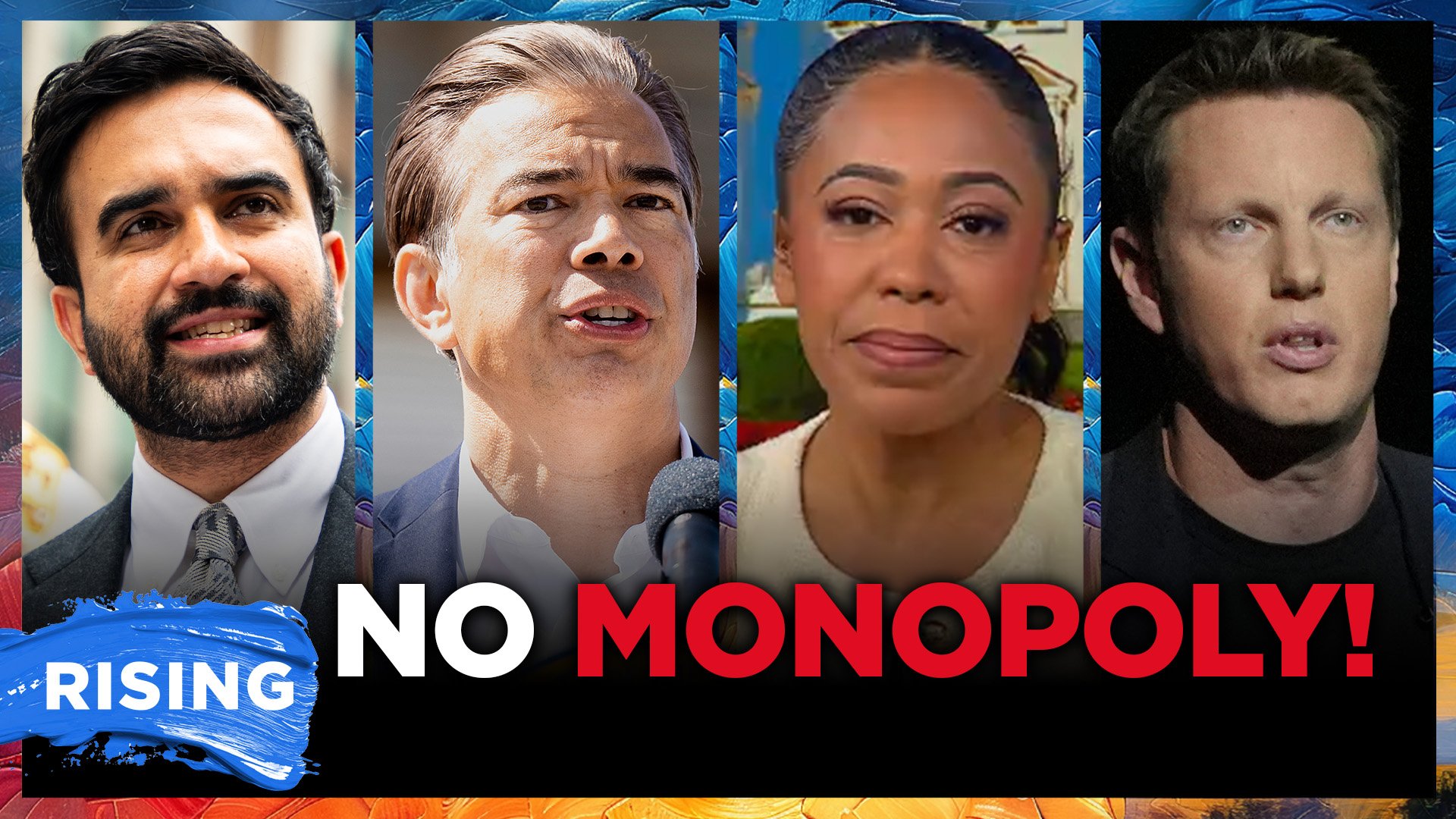
A coalition of 12 state attorneys general, spearheaded by California Attorney General Rob Bonta, filed a lawsuit Monday challenging Paramount’s proposed $111 billion acquisition of Warner Bros. Discovery, alleging the merger violates the Clayton Act and would fundamentally reshape the entertainment industry in ways that harm consumers, workers, and competition.
Bonta did not hold back in his criticism of the deal. “This merger is illegal under the Clayton Act, a law that has been on the books for over 100 years,” he said. “It would snuff out competition, drive up prices, diminish content quality, and produce fewer movies and shows each year. There is no debate here.”

The legal challenge arrives at a pivotal moment. The merger, which would combine two of Hollywood’s last major legacy studios, had already cleared shareholder approval in April and received regulatory sign-off from the Trump administration just last month. Executives had signaled they expected to close the deal within weeks. That timeline is now in doubt.
If completed, the merger would unite Warner Bros., HBO Max, CNN, and iconic franchises like Harry Potter with Paramount’s portfolio of CBS, Paramount Pictures, and Paramount+. The states argue that such concentration of power would reduce competition in theatrical distribution and cable licensing, potentially leading to higher prices, fewer films in theaters, and less content diversity.
While Wall Street often touts mergers as efficiency plays, history shows that “efficiency” in media is frequently a euphemism for layoffs. The lawsuit warns that thousands of jobs could vanish across California, New York, Georgia, Louisiana, and other states with significant entertainment industries. The impact would ripple beyond actors, writers, and producers to camera operators, editors, electricians, caterers, truck drivers, dry cleaners, theater employees, and small businesses reliant on film and TV production. For young people entering media, each merger narrows the field, reducing entry-level opportunities and pathways into the industry.
New York City Mayor Zohran Mamdani weighed in Monday on X, writing: “This is not a merger that serves the public. It would hand one company nearly a third of the movies and cable channels Americans watch, raise prices for streaming and cable, endanger the livelihoods of thousands of New York artists and entertainment workers, and threaten to shutter theaters across our city.”
The Trump administration’s approval of the transaction has raised questions about the influence of the Ellison family. Paramount CEO David Ellison’s father, Oracle founder Larry Ellison, has maintained close ties with President Trump. A combined Paramount-Warner entity would also place CNN under Ellison family control, adding to concerns about media consolidation and its implications for democracy and journalism. This merger is not just a corporate deal; it’s about who controls the information and entertainment consumed by millions of Americans.
Paramount has strongly disputed the states’ claims, arguing the lawsuit misapplies antitrust law. The case will now move to the courts. The coalition—including California, Arizona, Colorado, Connecticut, Massachusetts, Minnesota, Nevada, New Jersey, New Mexico, New York, Oregon, and Washington—is seeking to prevent the deal from closing while litigation proceeds. If Paramount and Warner refuse to delay voluntarily, the states have indicated they will seek a temporary restraining order.
Paramount executives may be frustrated, but this is precisely why antitrust laws exist. It falls to regulators, legislators, and courts to determine whether corporate growth serves the public interest or threatens it. Meanwhile, the political landscape continues to shift, with internal Democratic rifts and foreign policy tensions shaping the broader debate over corporate power and government oversight.