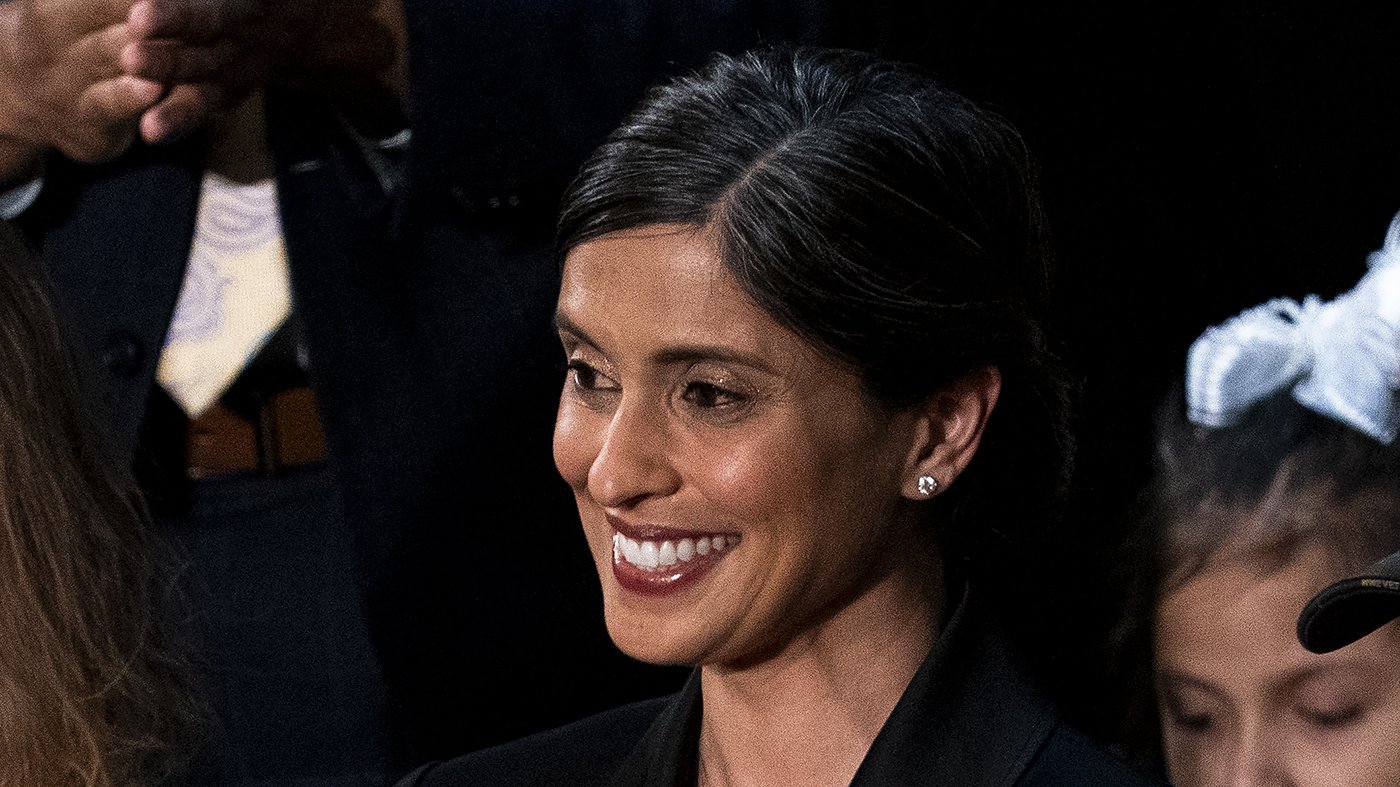
Second lady Usha Vance on Wednesday unveiled the prize portal for her summer reading challenge, a program designed to reverse learning loss during school breaks by rewarding children who complete a dozen books. The initiative, now in its second year, has already drawn triple the participation of 2024, according to Vance's announcement.
Open to students from kindergarten through eighth grade, the challenge requires participants to read 12 books, log their progress, and submit written reflections by September 4. Afterward, children can select rewards from a menu that includes Walmart and Dairy Queen gift cards, tickets to the National Children's Museum, Crayola markers, and NASA and Freedom 250 patches and stickers.
Vance has made childhood literacy a cornerstone of her agenda as second lady, a focus that aligns with broader concerns over declining reading proficiency. Her podcast, Storytime with the Second Lady, aims to foster a lifelong love of reading, and earlier this month, President Trump joined her for a Fourth of July episode.
“The Second Lady’s Summer Reading Challenge seeks to combat summer learning declines and encourage childhood literacy through friendly competition and rewards,” Vance stated in the announcement.
The push comes amid troubling national data. The National Assessment of Educational Progress reports that the percentage of 9-year-olds who read for fun almost daily has dropped 16% since 1984, while the share of 13-year-olds doing so has fallen 21%. Vance noted that literacy levels typically slide over summer break, exacerbating a 31% proficiency gap for fourth graders and 30% for eighth graders in 2024.
Neuroscientist Jared Cooney Horvath, who testified before the Senate in January, linked the decline to increased screen time. “Gen-Z is the first generation in modern history to underperform us on basically every cognitive measure we have,” said Horvath, author of The Digital Delusion. “Once countries adopt technology widely in schools, performance goes down significantly.”
Last year, over 20,000 students participated in the challenge, and Vance said this year’s enrollment has already tripled that figure. The program's growth reflects a broader push by the administration to address educational setbacks, even as debates over technology in classrooms intensify.
Critics of screen-heavy learning environments have pointed to falling test scores as evidence that digital tools may hinder rather than help. The reading challenge, by contrast, emphasizes traditional literacy skills and tangible incentives to keep children engaged during the summer months.
Vance’s efforts come as the White House navigates other policy battles, including a stalled domestic agenda and international disputes. The second lady’s focus on education, however, has drawn bipartisan interest, with some lawmakers citing the challenge as a model for community-based literacy programs.