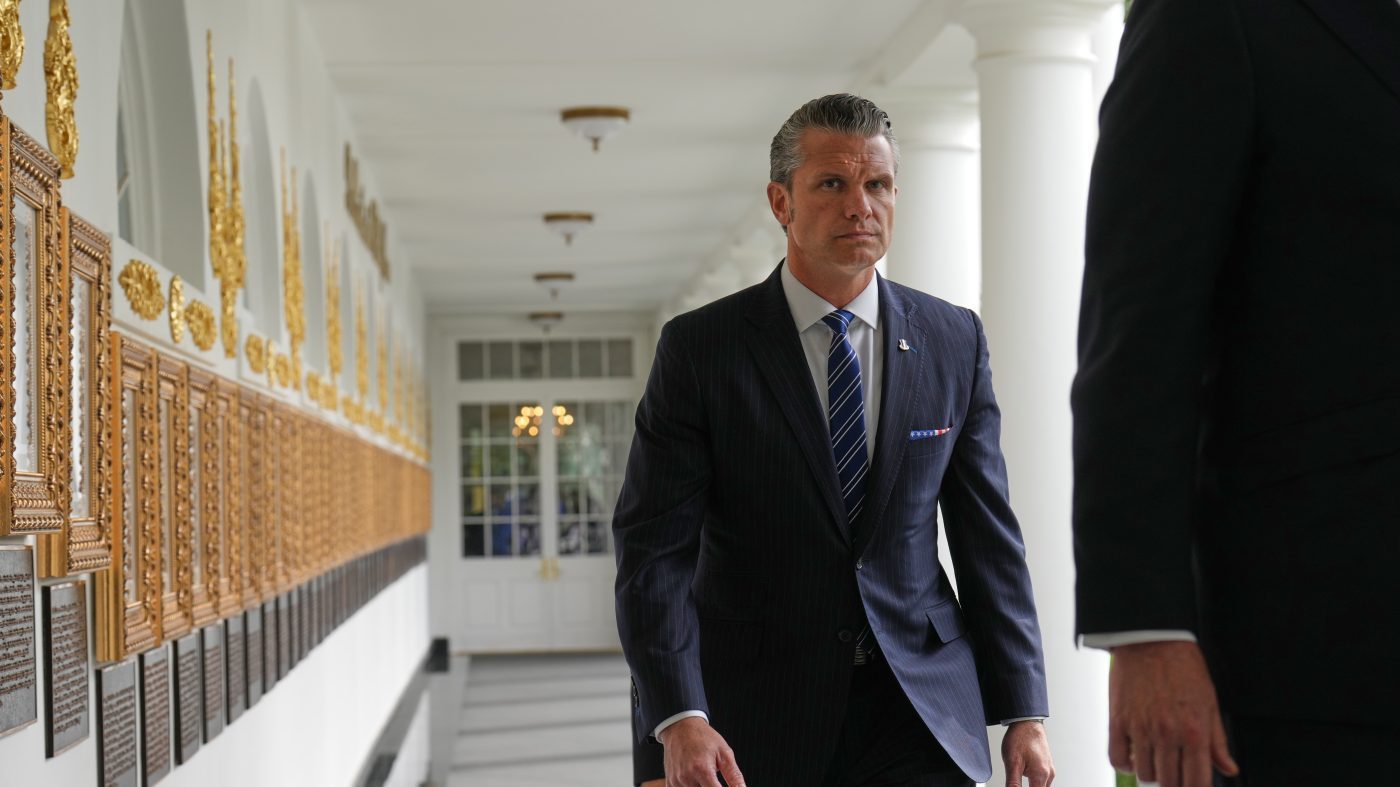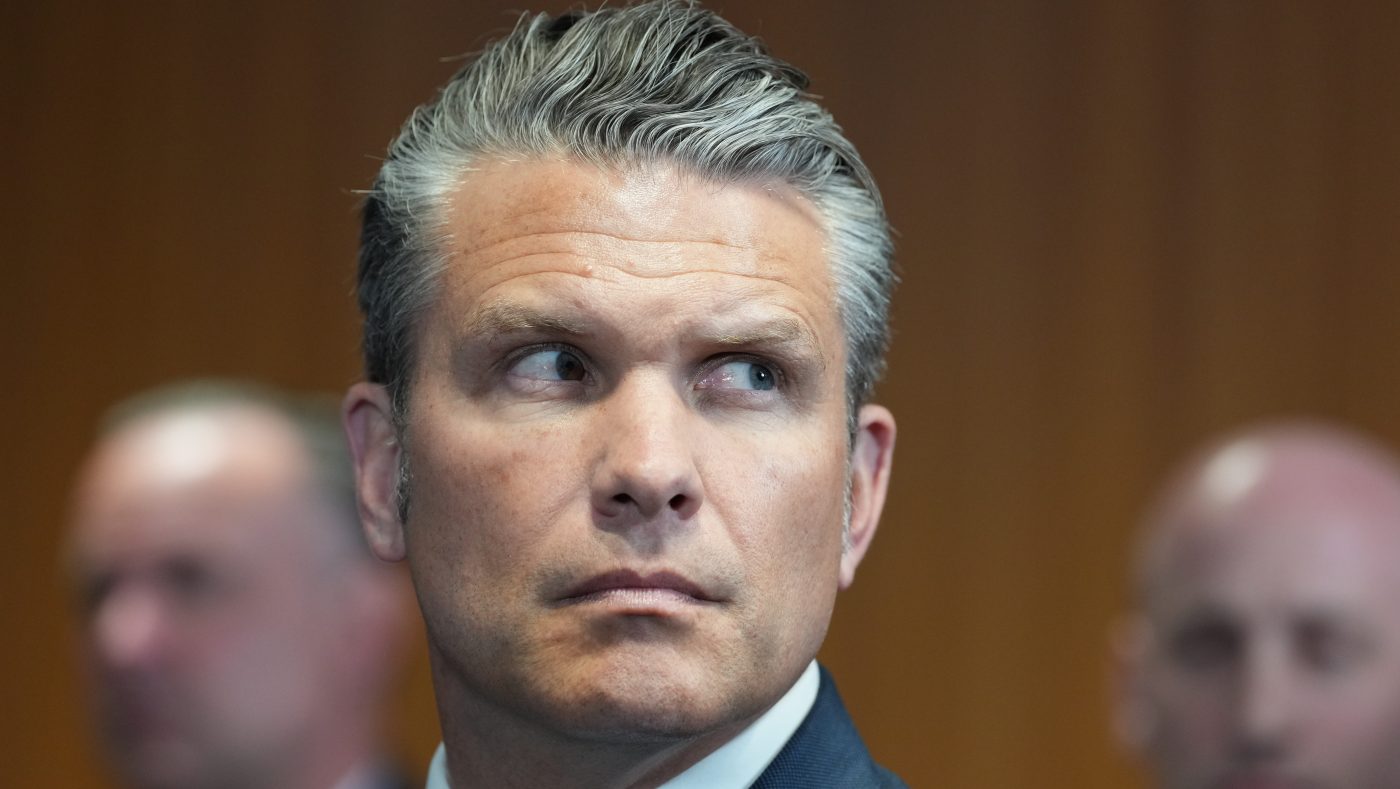
Defense Secretary Pete Hegseth on Monday unveiled a new joint task force with the Justice Department aimed at rooting out and prosecuting individuals who leak sensitive information to the media, marking the latest escalation in his ongoing war against unauthorized disclosures.
Under the directive, the Pentagon's Office of General Counsel (OGC) will now have the authority to demand and receive any records, support, or information across the department related to leak investigations. All Pentagon components and personnel must treat these requests as top priorities, with a requirement to provide a "full and complete" response within two days, Hegseth said in a video posted on X.
"Leaked information risks lives. These new tools and processes will greatly assist us in protecting our joint force. The security of our nation cannot be a bargaining chip for those who seek momentary headlines," Hegseth said in the roughly two-and-a-half-minute statement. "Access to confidential and secret information is a sacred trust, and those who betray that trust will be met with the full force of the law."
The move is the latest in a series of aggressive steps Hegseth has taken since taking the helm at the Pentagon to stem the flow of classified information to journalists. Last year, the department launched investigations into personnel suspected of leaking and threatened to administer polygraph tests. The crackdown has already claimed high-profile scalps: former senior adviser Dan Caldwell, former deputy chief of staff Darin Selnick, and Colin Carroll, former chief of staff to Deputy Defense Secretary Stephen A. Feinberg, were all placed on leave, then escorted out and fired amid leak probes.
However, an administration official told The Hill in mid-March that there was no evidence linking Caldwell—who was later hired by the Office of the Director of National Intelligence—to any leak from the Pentagon.
Hegseth's own handling of sensitive information has drawn scrutiny. Last year, he reportedly discussed pending U.S. strikes on Houthi rebels in Yemen in a Signal group chat that inadvertently included the editor of The Atlantic. A subsequent report from the Pentagon's Office of Inspector General, released in December, concluded that Hegseth jeopardized troop safety and violated department policy by using the Signal app on his personal cell phone.
Reporters have been largely locked out of the Pentagon under Hegseth's tenure. In October, Pentagon reporters surrendered their press passes rather than sign an updated media policy requiring them to pledge not to solicit any unauthorized material—even if unclassified—or face revocation of credentials. The department has since barred journalists from entering the building altogether, designating it a classified space.
Hegseth and his allies argue the policy is necessary to safeguard national security from leaks. Press freedom groups and critics counter that it tramples on journalists' First Amendment rights. "To leak sensitive national defense information and secrets betrays the men and women who wear our nation's uniform. It's a principle as old as war, and in the United States goes back to the founding of our republic," Hegseth said Monday. "George Washington himself battled leaks, insider threats and espionage."
The announcement comes amid broader tensions over information security and press access, with the Justice Department also stepping up its pursuit of journalists. In a related development, the DOJ recently subpoenaed four Times journalists over a report on Air Force One security gaps, highlighting the administration's aggressive posture toward the media.