Two scientists employed at a federal research facility face criminal charges after allegedly smuggling vials of deactivated mpox virus into the United States from Africa and lying to customs officials about the materials. The case, unsealed Tuesday in Detroit federal court, has raised serious questions about biosafety protocols and the handling of dangerous pathogens by government researchers.
Vincent Munster, who leads the virus ecology section at Rocky Mountain Laboratories in Hamilton, Montana, and his colleague Claude Kwe were stopped at Detroit Metropolitan Airport in January after returning from a nine-day trip to the Republic of Congo. The pair had flown from Paris before being questioned by federal agents.
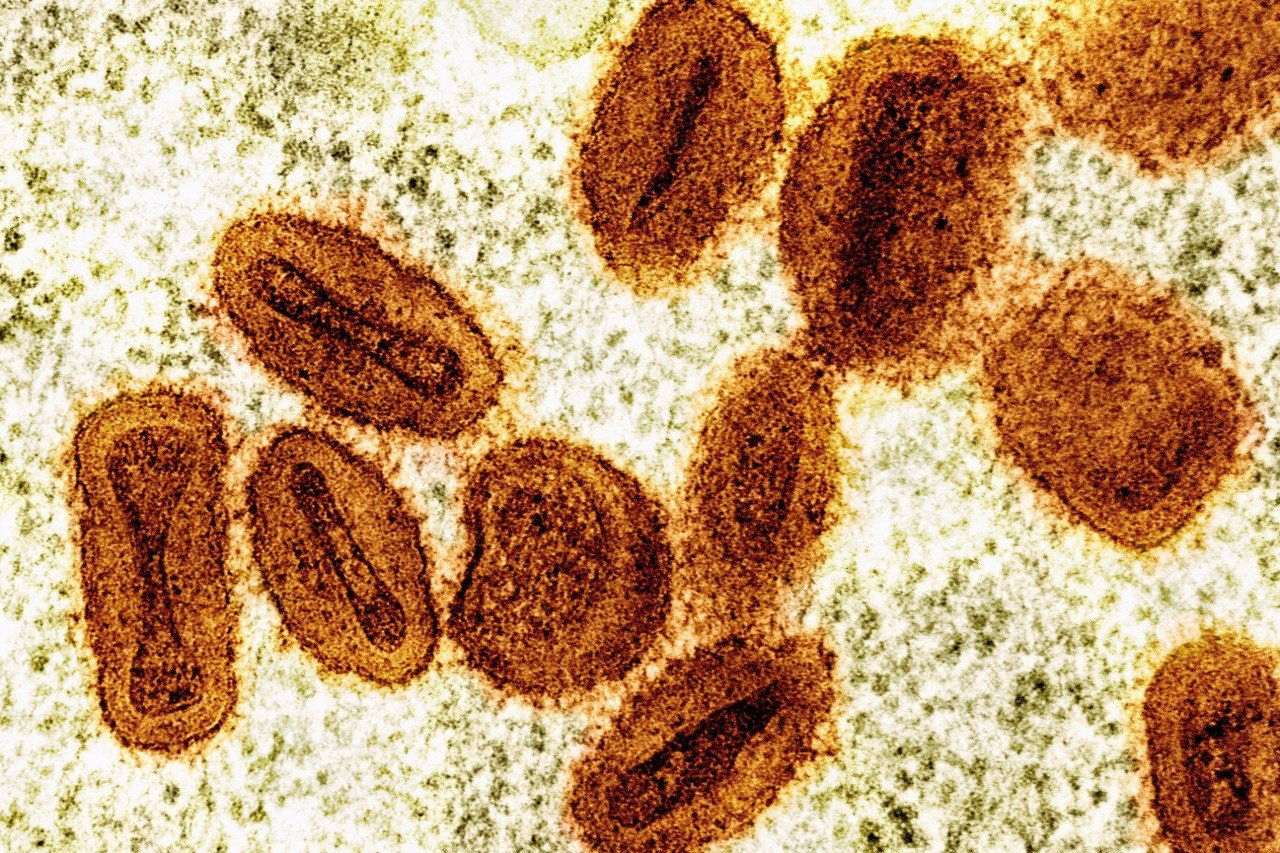
According to the FBI, Munster “adamantly denied” bringing any biological materials or samples back into the country. However, subsequent testing revealed that the scientists were carrying vials containing deactivated mpox virus—without having declared them or secured the necessary permits.
“Any deliberate effort to conceal and smuggle biological materials into the United States without proper authorization is a breach of the public’s trust and could have placed the public at risk,” Marcus Sykes of the Department of Health and Human Services Office of Inspector General said in a statement.
The Republic of Congo is currently grappling with a major mpox outbreak that has been linked to more than 2,000 deaths, though a two-year global outbreak was declared over in April. Mpox, formerly known as monkeypox, was first identified in 1958 and until recently primarily affected people in central and West Africa who had close contact with infected animals. In 2022, the virus was confirmed to spread via sexual contact, triggering outbreaks in over 70 countries that had never before reported cases.
Federal court documents do not specify why Munster and Kwe wanted to bring the deactivated virus to their lab, but the FBI noted that both are virologists with extensive experience in mpox research. During questioning at the Detroit airport, Munster told investigators that any necessary paperwork was on his laptop, adding, “but you don’t need them. I do this all the time.” The FBI described that statement as “materially false.”
The National Institutes of Health, which oversees the lab, said in a statement: “This matter is currently under investigation, and NIH is cooperating fully with law enforcement and appropriate authorities. Because this is an ongoing investigation and personnel matter, we are limited in what additional information we can provide at this time.”
The case comes amid heightened scrutiny of biosafety and border security, particularly following recent efforts to tighten controls on infectious materials. In a separate but related development, a recent case involving a former officer charged after a violent arrest highlighted ongoing concerns about accountability in law enforcement and regulatory enforcement.
Munster and Kwe are expected to appear Wednesday in federal court in Missoula, Montana. They did not immediately respond to requests for comment. The charges carry potential penalties including fines and prison time, though sentencing guidelines will depend on the outcome of the investigation.
The World Health Organization notes that common mpox symptoms include rash and fever, and while most people recover fully, the disease can sometimes cause severe illness. The incident underscores the delicate balance between scientific research and national security, as federal agencies work to prevent unauthorized transport of biological agents.