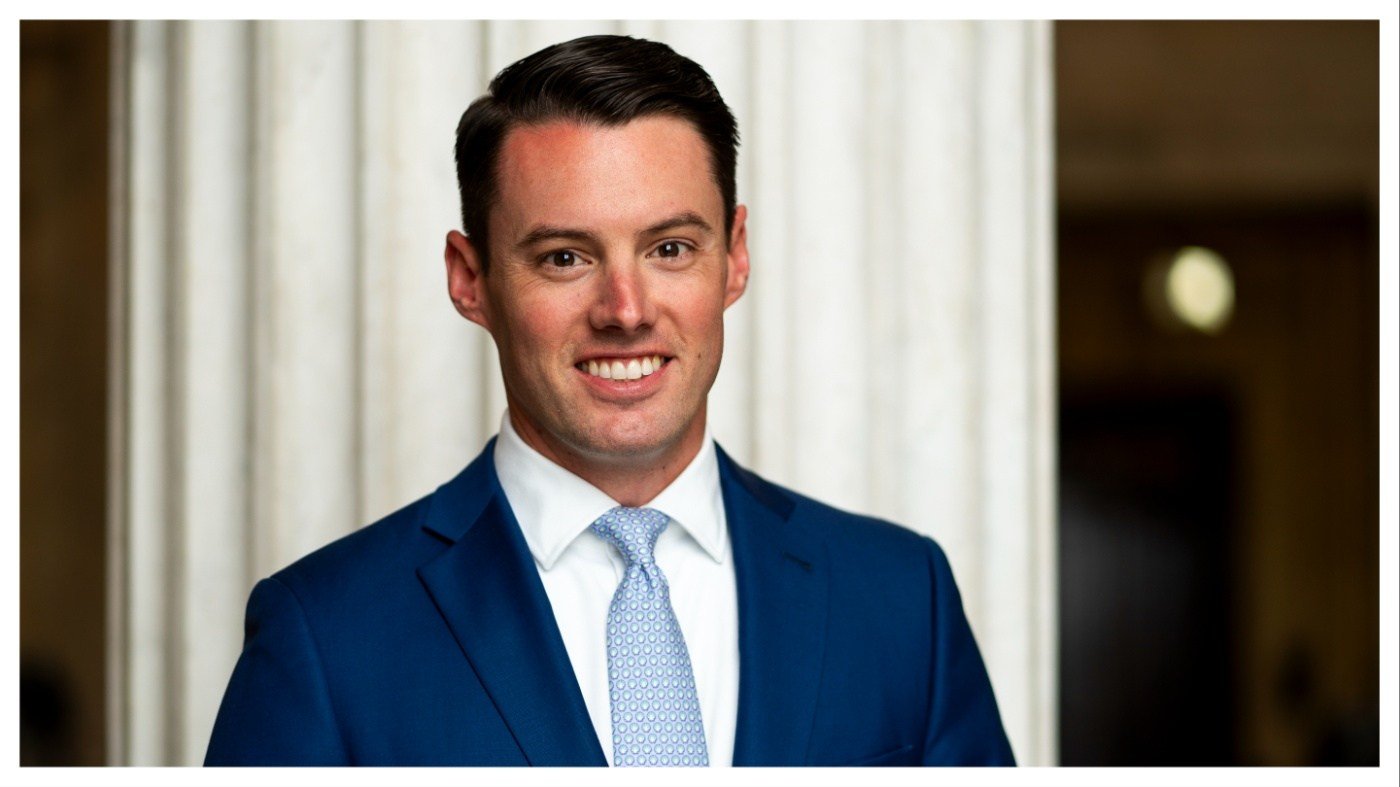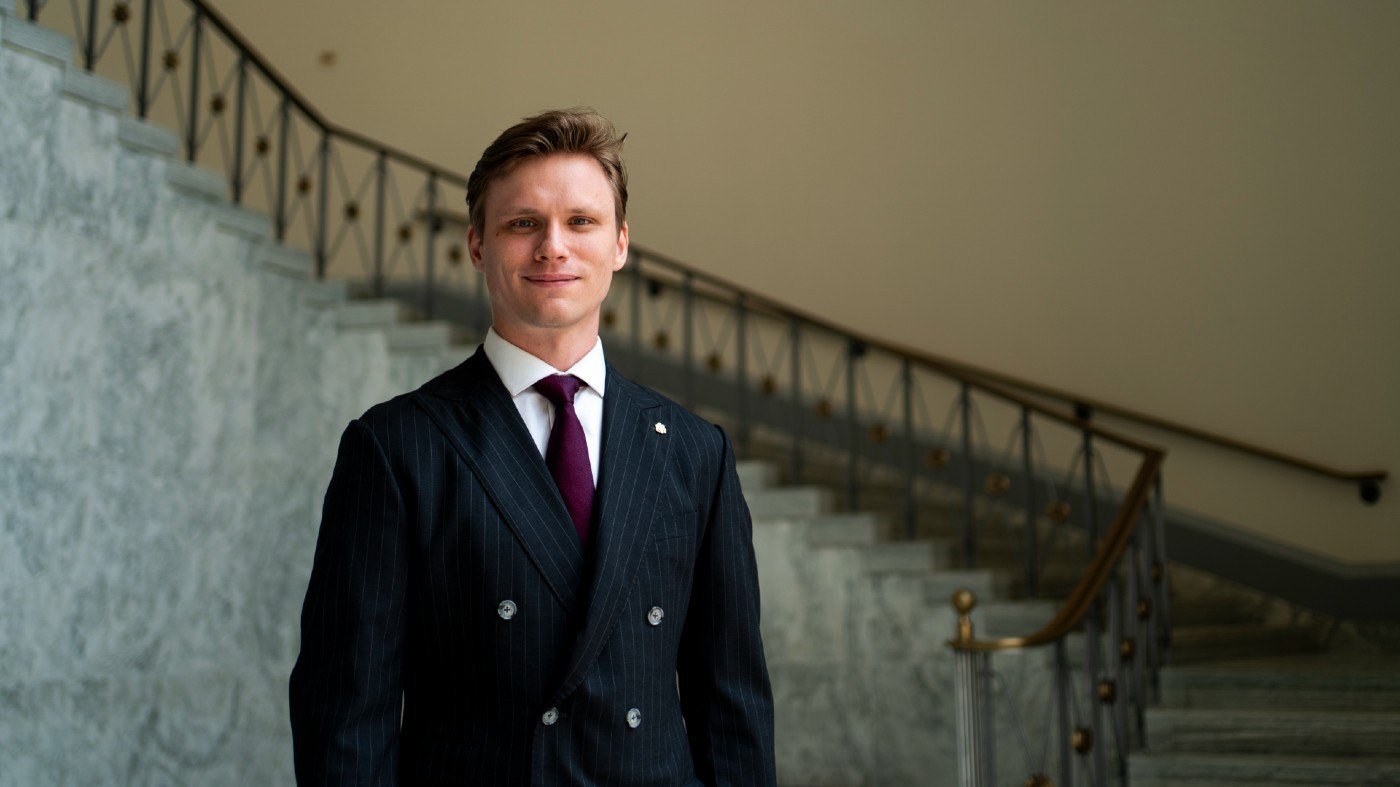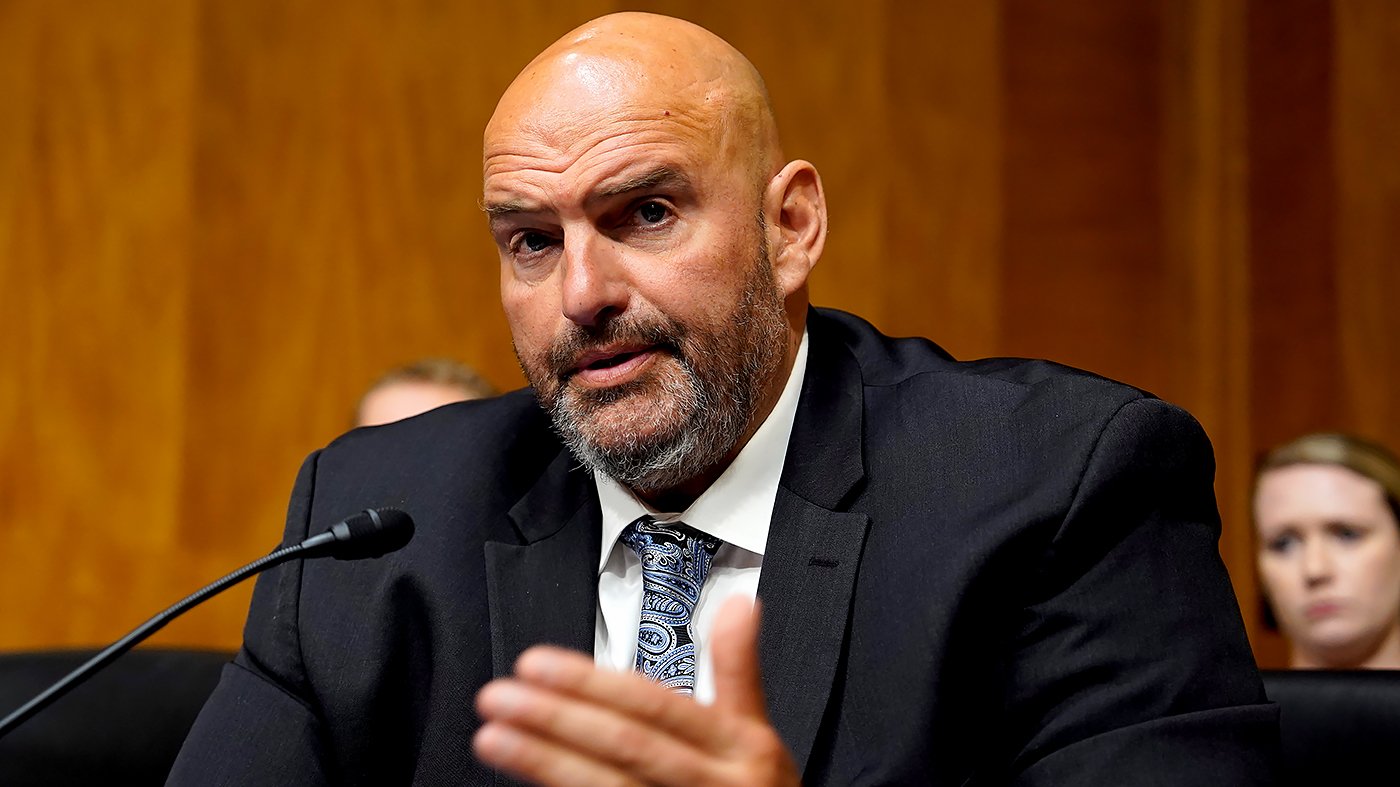
Sen. John Fetterman (D-Penn.) on Friday said President Trump has “zero leverage” over a group of Republican senators whose opposition threatens the confirmation of acting Attorney General Todd Blanche to lead the Justice Department permanently. The remarks came as three GOP senators—Thom Tillis (N.C.), Bill Cassidy (La.), and John Cornyn (Texas)—have voiced doubts about Blanche’s nomination, largely due to unresolved questions over a controversial “anti-weaponization fund.”
During an appearance on CNN’s “State of the Union” with Kasie Hunt, Fetterman predicted Blanche would not be confirmed “at least certainly through the end of the year.” He noted that the trio’s concerns, combined with the Senate’s narrow margins, leave Trump with little room to maneuver.
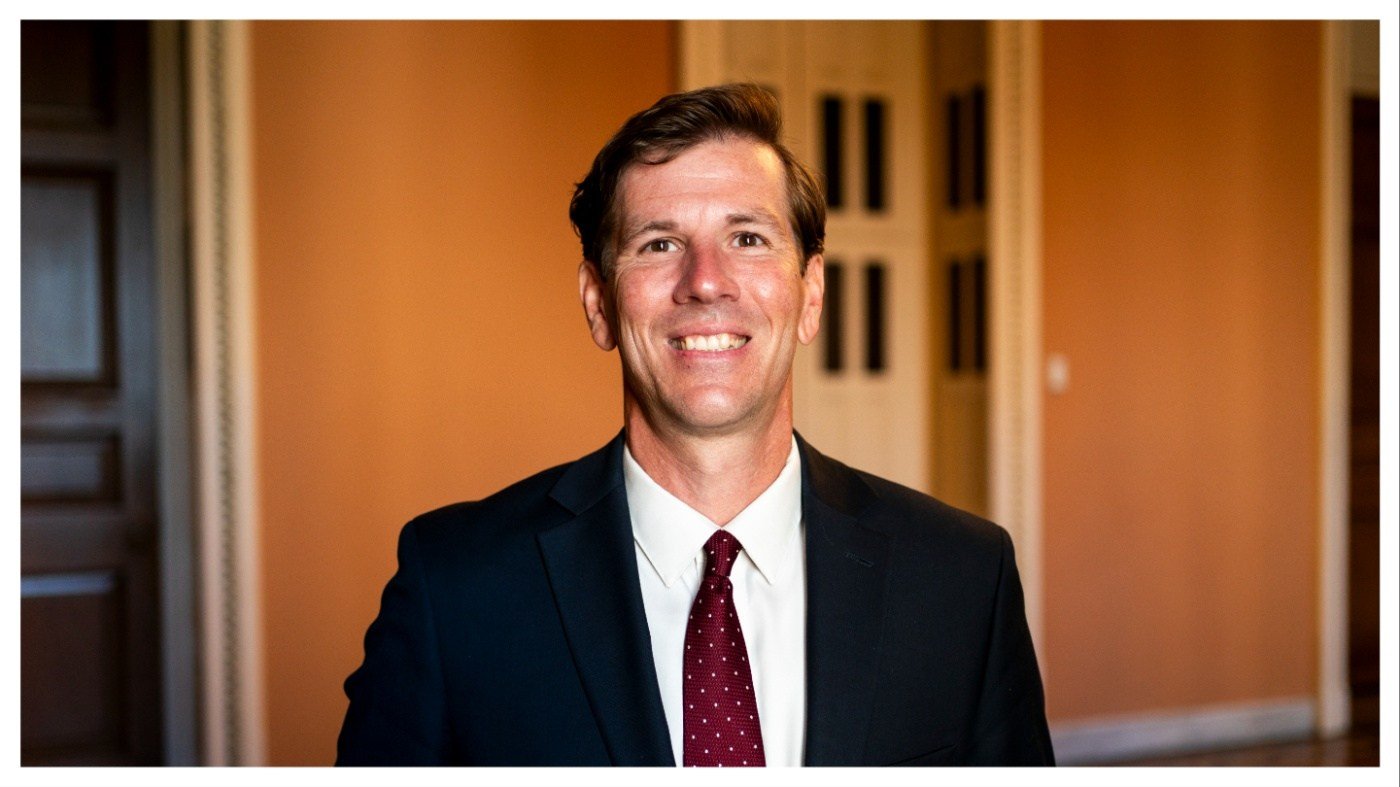
“I don’t see him being confirmed at least certainly through the end of the year, honestly,” Fetterman said. “Trump has zero leverage, whether it’s Cornyn or Cassidy or Tillis or these senators that are leaving.”
Tillis and Cornyn are pivotal on the Senate Judiciary Committee, where Blanche can afford to lose only one Republican vote. Both have raised alarms about the nearly $2 billion fund, which was established as part of a settlement and has been a flashpoint for conservative critics. At a hearing earlier this month, Blanche assured lawmakers the fund was “dead,” but Cornyn has pushed back, noting that the settlement’s terms require written consent from all parties to alter it—a condition not yet met.
“I think it’s really important to correct the record, which I tried to do, and I think he was straightforward in answering my questions, but they don’t lead inevitably to the conclusion that it’s dead,” Cornyn told reporters on July 15. “It could be revived at a future date.”
If Blanche’s nomination reaches the full Senate, he would need support from all but two Republicans, assuming Democrats uniformly oppose him. The absence of Sen. Mitch McConnell (R-Ky.), who is recovering from a fall, further complicates the math. Fetterman underscored the challenge: “The math’s just not there, and there’s certainly not any Democrats that’s going to support this.”
Trump has floated temporarily withdrawing Blanche’s nomination until January, when Tillis and Cornyn will have left office. But Cornyn cautioned that such a delay could backfire, as the political landscape may shift. “He may think that he’s got us where he wants us,” Cornyn said. “But the fact is, there’s no guarantee who the senators are going to be that will replace Sen. Tillis and myself, and he may have a weaker hand next year than he does now.”
The standoff underscores broader tensions between Trump and Senate Republicans, particularly as Trump’s approval ratings slide amid international crises and domestic disputes. Cornyn’s resistance has also been linked to his primary loss earlier this year, a point Trump has publicly seized upon, as detailed in reports of Trump accusing Cornyn of payback. Meanwhile, some allies have warned that delaying the nomination could weaken Trump’s hand, as Robert F. Kennedy Jr. cautioned.
Fetterman’s comments reflect a broader Democratic strategy to highlight GOP fractures, especially as the party faces a difficult midterm cycle. With the Senate narrowly divided, every vote counts, and the Blanche fight has become a proxy for larger battles over the Justice Department’s independence and Trump’s influence on Capitol Hill.
As the standoff continues, the fate of Blanche’s nomination remains uncertain, with no clear path forward until at least the fall. For now, the GOP’s internal divisions are on full display, and Trump’s ability to command loyalty from his own party appears increasingly limited.