The NAACP's recent push for Black athletes to boycott SEC schools stems from genuine alarm over coordinated attacks on voting rights across the South. The leaders behind it are seasoned activists I respect, and the urgency is real. But good intentions don't make good strategy.
As a former Black athlete at a predominantly white institution and a two-decade veteran of progressive organizing, I see this approach missing the mark. The threat is undeniable, but the tactic misunderstands today's economics, the mindset of young athletes, and what building lasting power requires. This moment demands strategy, not symbolism.
The era of amateurism is over. Name, Image, and Likeness (NIL) deals hit $1.2 billion in 2023–24, with football and men's basketball players—disproportionately Black—capturing 65 to 70 percent. Top SEC athletes now earn $250,000 to $1 million annually through NIL and collectives, some with budgets of $5 million to $15 million per school. Upcoming revenue-sharing models could funnel $600–$800 million yearly to Power Five athletes. This is life-changing money—support-family, build-wealth money. Asking an 18-year-old to walk away from that without a plan, protection, or support isn't strategy; it's demanding a sacrifice no one else in this fight is making.
Notice who's being singled out: Black athletes, not Ph.D. candidates, medical students, graduate researchers, or other undergraduates. No one is calling for a broad student or faculty boycott. No one is pressing donors to withhold funds or university presidents to take a stand. No one is targeting corporate sponsors or the political architects of voter suppression. Just Black athletes—the same group whose labor generates billions for these schools. That pattern demands scrutiny. The burden of protest is again falling on young Black people from working-class families, many inside systems that have historically exploited them. Shared sacrifice must include everyone, not just those with the most to lose and the least protection.
Today's athletes are entrepreneurial, brand-aware, and financially literate. They're skeptical of institutions and protective of their short earning window. They're not unprincipled; they're pragmatic, understanding leverage and risk better than we give them credit for. They shouldn't be pulled into a political fight with no clear strategy, support structure, legal protection, or roadmap to winning. If we want them engaged, we must meet them where they are, not where we wish they were.
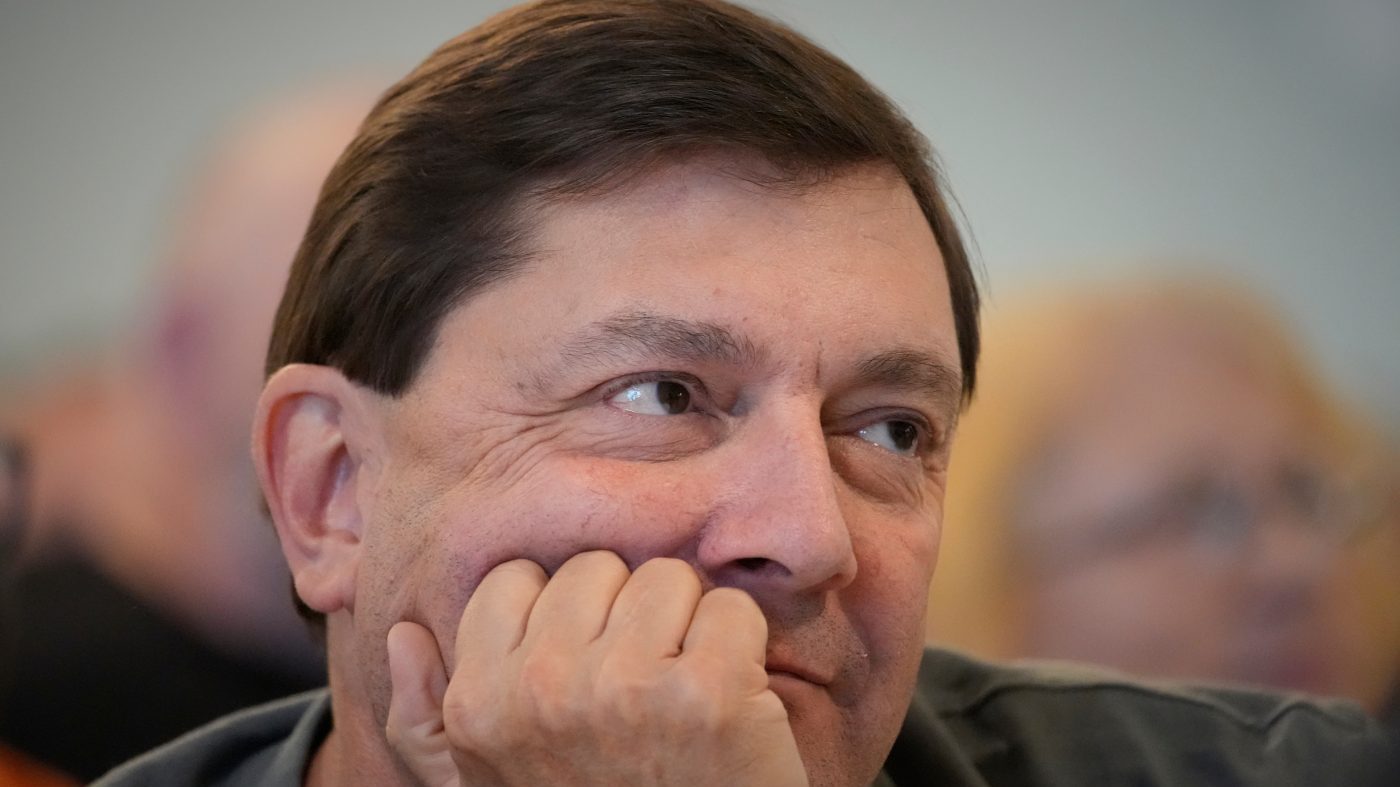
A boycott is a high-risk tactic, not a strategy. To work, it needs coordination, resources, timing, legal and financial backing, clear and winnable demands, and institutions willing to absorb the cost. None of that is in place. This is a symbolic gesture against a right that has spent years building state legislative power, stacking courts, developing policy shops, and investing in long-term organizing infrastructure—as seen in cases like the Supreme Court greenlighting Alabama's GOP map, erasing a second Black-majority district. Responding with a last-minute sports boycott isn't a match of equal force.
Real voting rights protection requires year-round organizing, youth engagement that respects young people's realities, cross-race and cross-class coalitions, legal strategies that anticipate attacks, and economic pressure on actual suppressors—not on athletes. That structural work can't be shortcut with symbolism, no matter how well-intentioned. Leadership means building conditions for action, not just issuing calls. If we want Black athletes in this fight—and we should—we must invest early in their leadership, respect their economic realities, offer protection, and treat them as partners, not props.
Black athletes hold enormous power, but power without strategy is wasted, and strategy without relationships doesn't last. The GOP's anti-Black turn under Trump underscores the stakes, but the path forward requires more than a boycott—it demands a sustained, well-resourced movement.