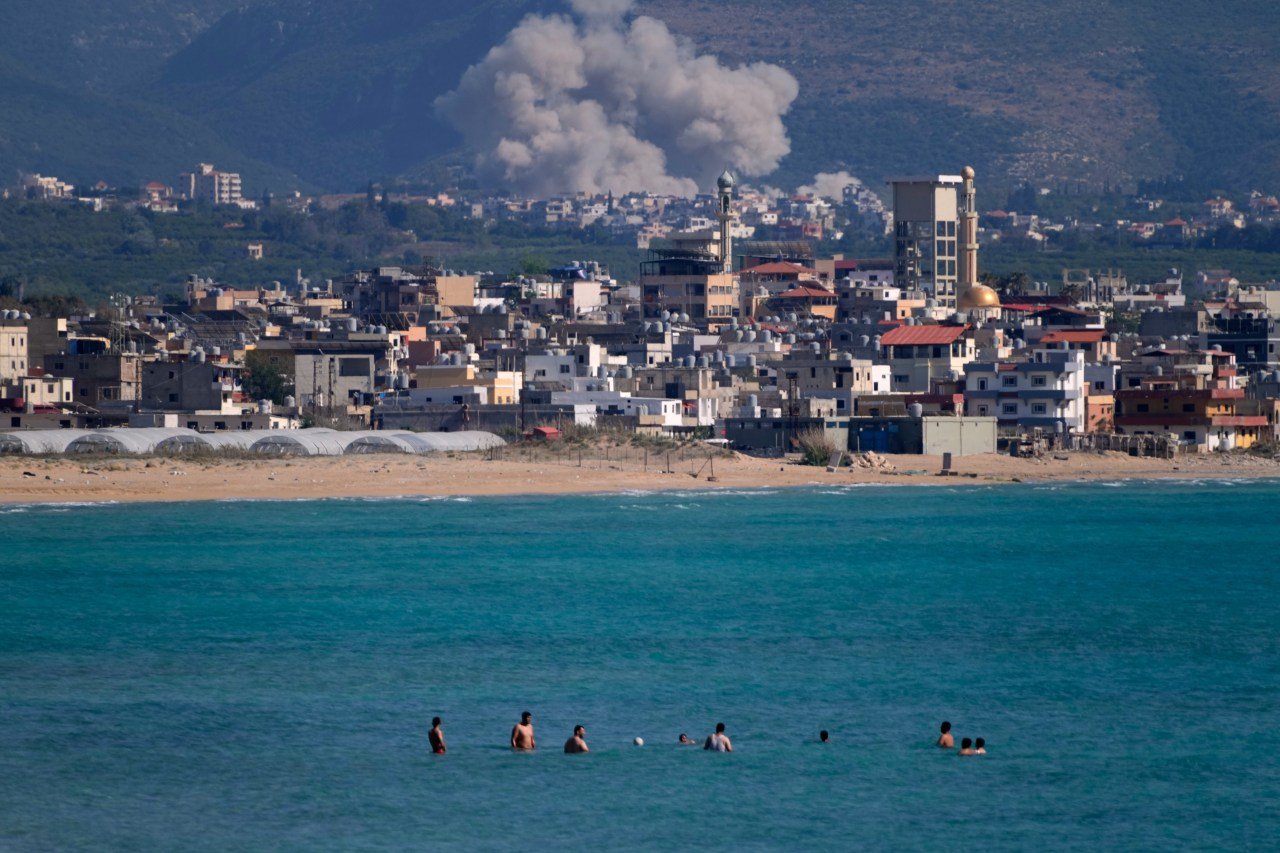
Kuwait International Airport was briefly shut down Wednesday after Iranian drones struck a passenger terminal, killing one person and wounding dozens, in the latest escalation between Tehran and Washington that threatens a fragile ceasefire.
The attack, which heavily damaged the terminal, killed an Indian national and wounded 63 others, including passengers and workers, according to Kuwaiti authorities. The airport had only reopened Monday after months of closure due to the war that began in late February with U.S. and Israeli strikes on Iran.
Kuwait Vows Response, U.S. Intercepts Missiles
Kuwait’s Defense Ministry said it destroyed over a dozen Iranian missiles and a similar number of drones. The Foreign Ministry declared the country will “neither accept nor tolerate” the attacks and reserves the right to respond. The U.S. military reported that two Iranian missiles broke apart en route to Kuwait and that it “downed multiple drones” targeting American forces there. U.S. and Bahraini forces also intercepted missiles aimed at Bahrain, home to the U.S. Navy’s 5th Fleet.
Iran’s Revolutionary Guard acknowledged targeting the 5th Fleet headquarters and U.S. military facilities in another country, though it did not name Kuwait. Both sides described their actions as retaliation for earlier attacks.
Ceasefire Talks on Edge
The strike comes as negotiations for a broader truce in the U.S.-Israeli war with Iran have stalled. A regional official said Iran has demanded a separate ceasefire in Lebanon, where Israel is battling the Iranian-backed Hezbollah, before returning to talks. President Donald Trump denied reports that negotiations have ceased, calling them “false and erroneous” and saying discussions have continued daily.
The war has increasingly intertwined with Israel’s operations in Lebanon. Israeli forces have pushed deeper into Lebanese territory than in over 25 years, while Hezbollah has launched rockets and drones. The declared ceasefire in Lebanon remains in place but is not formally observed, with both sides continuing attacks. Iran and the U.S. have exchanged strikes even as Trump downplays tensions on social media.
Global and Regional Fallout
The conflict’s ripple effects extend beyond the region. Iran maintains its hold on the Strait of Hormuz, a critical waterway for global oil and gas shipments, while the U.S. continues its blockade of Iranian ports. Global fuel prices remain elevated, and the fighting has exposed a rift between Washington and Jerusalem, with the U.S. pushing for restraint. Iran war hawks are facing a reckoning as Trump pursues a ceasefire.
A senior Emirati diplomat, Anwar Gargash, called for “a firm, unified, and cohesive Gulf position” against Iran, saying the aggression targets all states in the region. The U.S. military also launched strikes on an Iranian military ground control station on Qeshm Island in the Strait of Hormuz, which Iran condemned as “acts of aggression” violating the ceasefire.
Trump-Netanyahu Tensions Surface
In a podcast interview, Trump confirmed a report that he had called Israeli Prime Minister Benjamin Netanyahu “crazy” during a phone call, expressing frustration that Israel’s fight with Hezbollah was holding back Iran talks. Still, Trump said their relationship remains solid. Netanyahu, under domestic pressure to strike Hezbollah ahead of fall elections, wants to keep the Lebanon and Iran issues separate.
The airport partially reopened later, with Kuwait Airways flights resuming at a different terminal, but no other flights were operating. The Indian embassy confirmed the victim was an Indian national, and Kuwait’s Health Ministry said some of the 63 wounded suffered serious injuries.