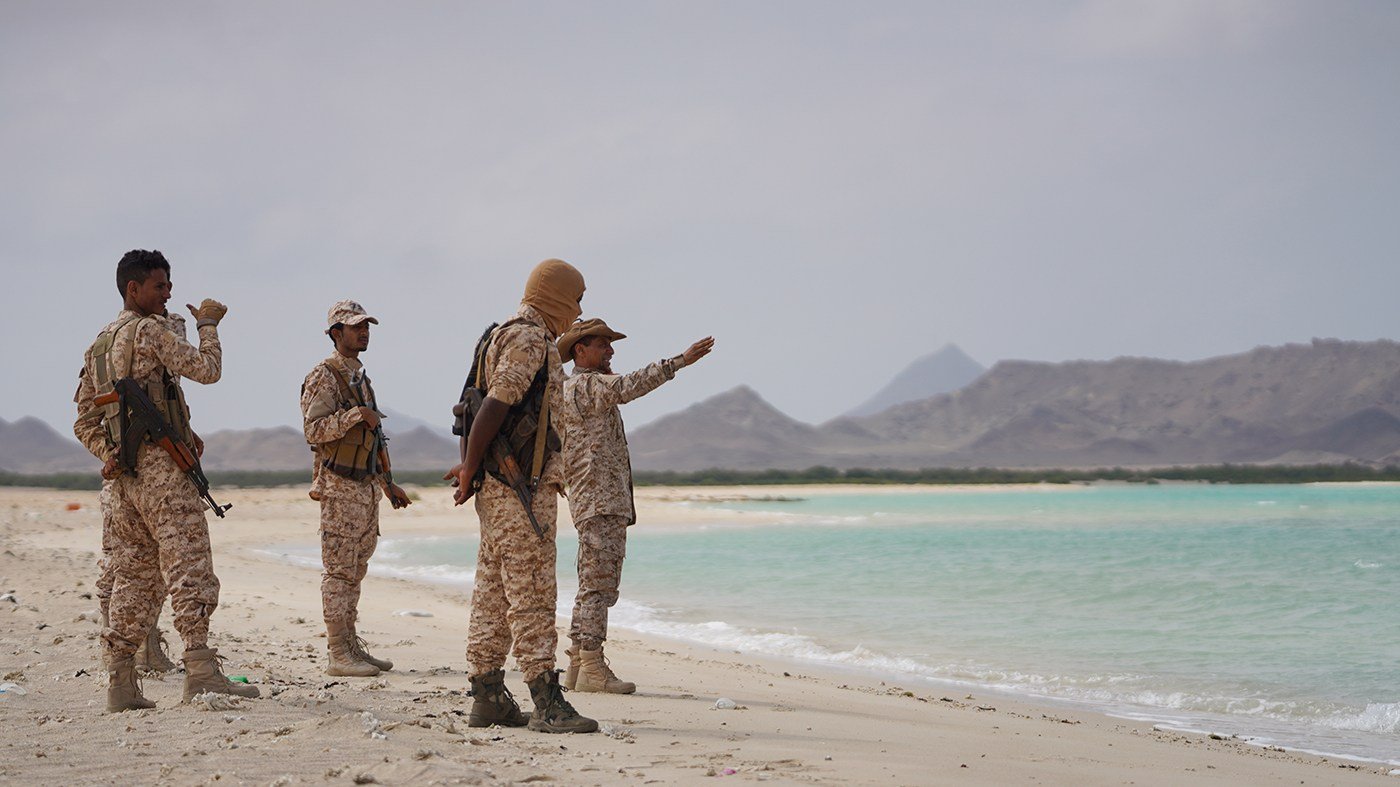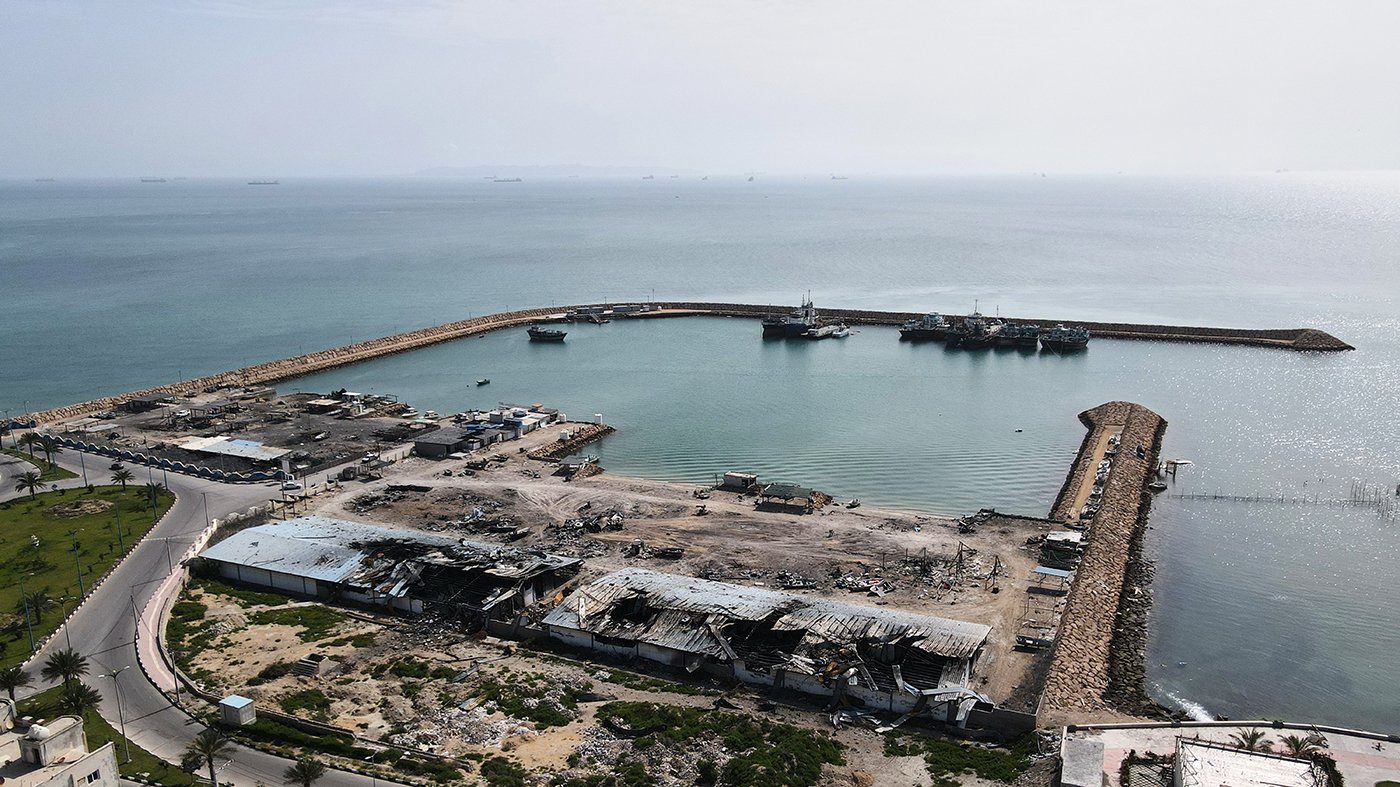
A U.S. naval blockade of the Strait of Hormuz has effectively severed Iran's primary economic artery, isolating an estimated 90 percent of the country's economy from global maritime trade. The operation, now in its first week, represents the Trump administration's latest and most direct military-economic pressure tactic aimed at compelling Tehran to return to negotiations after stalled diplomatic talks.
Military Enforces 'Locked In' Blockade
Joint Chiefs of Staff Chair General Dan Caine confirmed that thirteen commercial vessels have already been turned back from the strategic chokepoint since the blockade began. He issued a stark warning that the U.S. military would use force, including boarding, against any ship attempting to defy the order. The operation is not confined to the Persian Gulf; Caine stated U.S. forces would pursue Iranian-flagged or supportive vessels globally, specifically mentioning the so-called 'dark fleet' of oil tankers operating outside international regulations.
Retired Vice Admiral Kevin Donegan, former commander of the Navy's Fifth Fleet, described the blockade as "pretty locked in." While acknowledging it may not be 100 percent effective, he noted, "It's hard for it not to have an impact on them." He cautioned, however, that the Iranian regime's tolerance for domestic suffering and its willingness to endure a prolonged standoff remain significant unknowns.
Economic Strangulation and Global Repercussions
The immediate impact on Iran is severe. U.S. Central Command head Admiral Brad Cooper stated that movement of Iran's roughly 1.5 million barrels of daily oil exports and $340 million in other seaborne trade has been "completely halted" in under 36 hours. Analyst Joel Rayburn of the Hudson Institute called the move a "killer for Iranian trade and their revenue stream," noting Iran lacks the land-based infrastructure to compensate for the loss of its ports.
Yet the strategy carries substantial risks for the global economy. Experts warn that prolonging the blockade will inevitably drive up energy prices, compounding market stress that began when Iran first mined the strait in early March. The International Energy Agency has already warned European nations face critical fuel shortages within weeks due to the crisis.
Strategic Calculations and Domestic Pressure
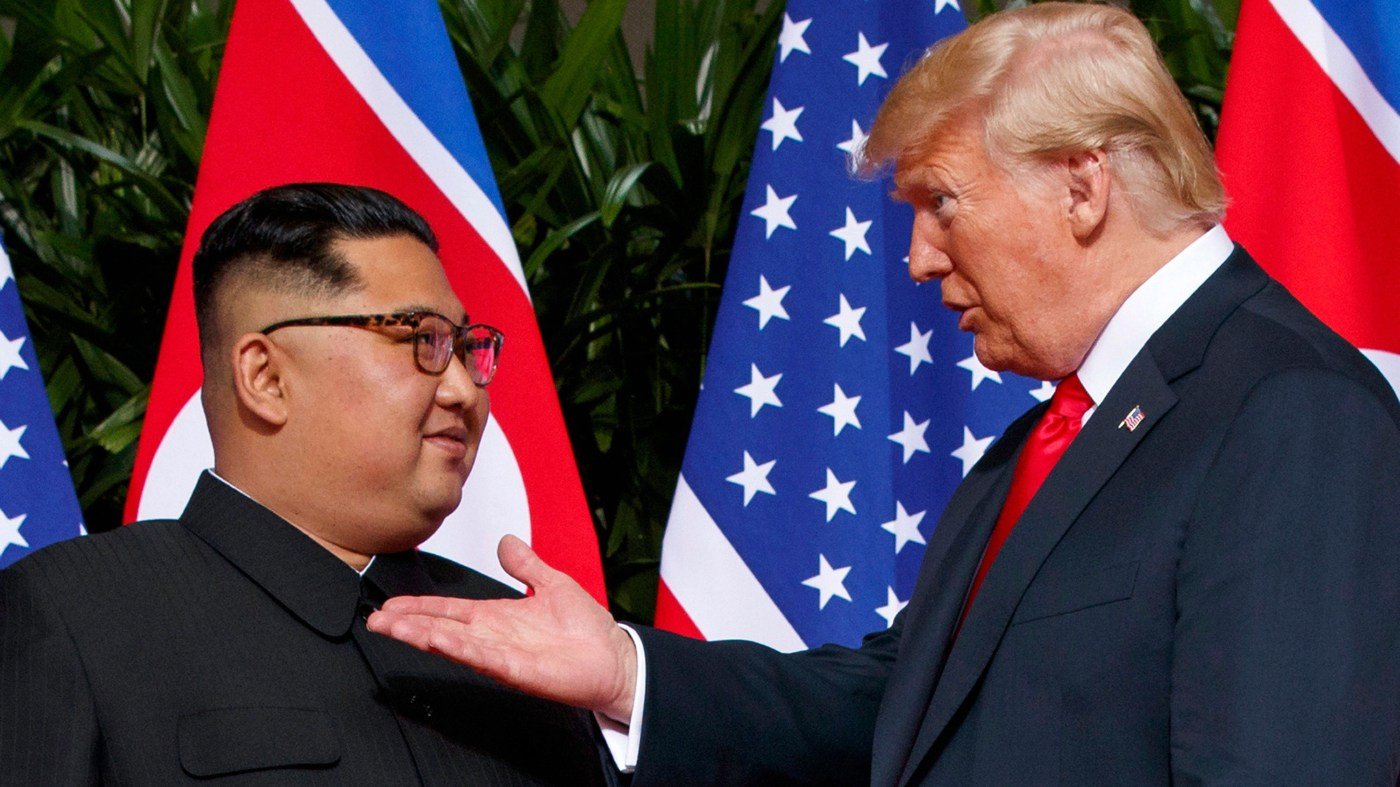
The blockade unfolds as the Trump administration seeks leverage in a conflict with no clear diplomatic off-ramp. President Trump has praised the operation as "incredible," claiming it has left Iran "unable to do any business." However, the move occurs against a backdrop of declining domestic political support linked to the Iran war and economic concerns.
Not all foreign policy analysts believe the pressure will succeed. The think tank Defense Priorities argues the "'blockade of a blockade' strategy... will not work," contending that Iran possesses greater resolve in an existential conflict. Donegan echoed the need for a diplomatic pairing, stating, "the military tool in of itself isn't going to get you to an end state."
The economic shockwaves are being felt globally, with some officials urging the International Monetary Fund to deploy emergency financial tools to stabilize markets. As U.S. warships maintain their position far into the Gulf of Oman—monitoring 18 Iranian ports with surveillance assets—the world watches to see whether Iran's economy or America's political will fractures first.