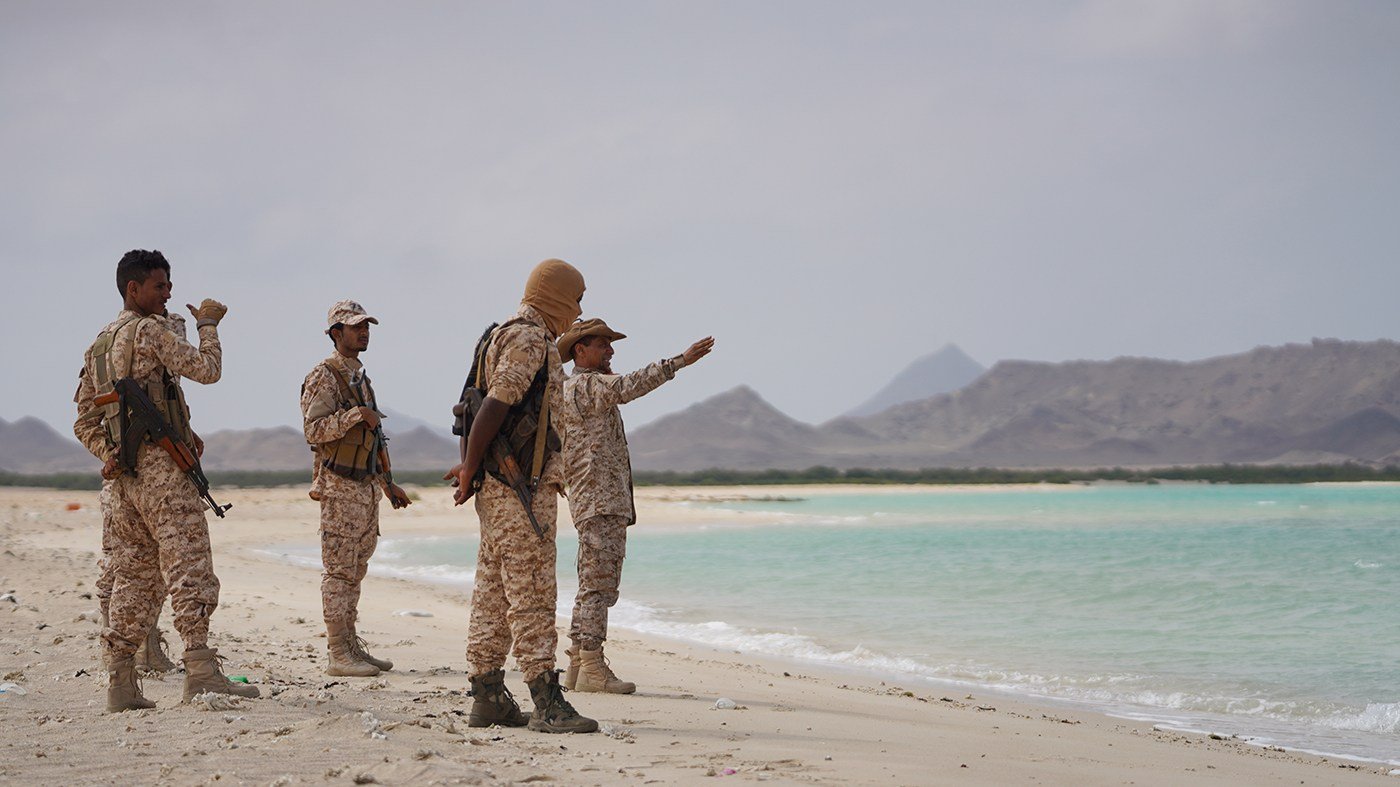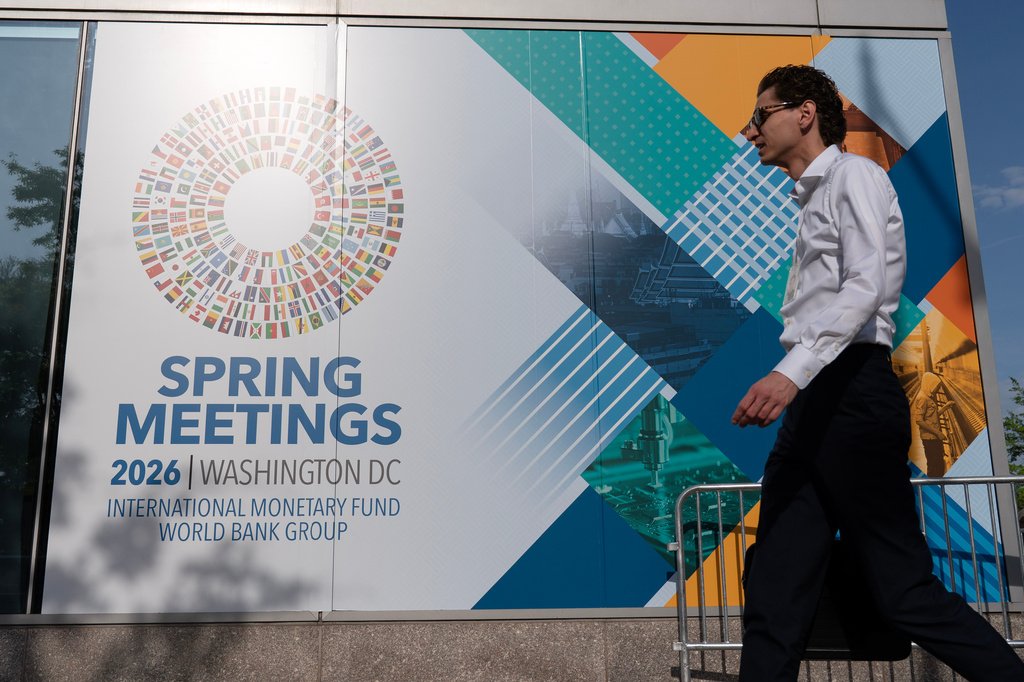
A coalition of major international financial institutions has issued a stark warning: military conflict between the United States, Israel, and Iran has triggered one of the most severe supply disruptions in the history of global energy markets. In an April 1 joint statement, the International Monetary Fund, World Bank, and International Energy Agency declared the impact "substantial, global, and highly asymmetric," with energy-importing nations—particularly low-income countries—bearing the brunt of the crisis.
The organizations have established a joint task force to identify solutions. Analysts argue one powerful tool is already at the IMF's disposal: the authority to issue hundreds of billions in Special Drawing Rights (SDRs), a liquid reserve asset that can be rapidly distributed to member states without adding debt. This mechanism, they contend, could provide immediate, cost-free liquidity to stabilize vulnerable economies.
A Compounded Crisis for the Global South
Even before the latest conflict, many developing nations were struggling under the weight of sluggish post-pandemic growth, high debt burdens, and commodity price volatility exacerbated by the war in Ukraine. The new energy price shocks threaten to push them deeper into distress. These countries typically possess limited fiscal flexibility and rely heavily on foreign exchange reserves to purchase essential imports like food and medicine. Pressure has intensified due to cuts in foreign aid and declining foreign direct investment.
The IMF's own assessment of the Iran conflict is grim: "all roads lead to higher prices and slower growth." The World Food Programme estimates a protracted conflict with oil prices exceeding $100 per barrel could plunge an additional 45 million people into acute food insecurity, compounding existing crises affecting over 300 million. Central banks in some nations are already raising interest rates to combat inflation, a move that risks stifling growth without addressing the supply-side shock. This mirrors the dynamic seen after the U.S. Federal Reserve's aggressive rate-hiking cycle began in 2022, which dramatically increased external borrowing costs for developing countries and fueled an ongoing debt crisis.
The SDR Precedent and the Current Imperative
The IMF has a proven tool for such moments. In August 2021, responding to the COVID-19 pandemic's economic fallout, the Fund executed its largest-ever SDR allocation—$650 billion. Emerging and developing economies, excluding China, received approximately $209 billion, a sum exceeding that year's total official development aid. These assets, which can be exchanged for hard currency, used to pay down debt, or held as reserves, delivered crucial liquidity.
Advocates say today's crisis demands a similar response. A new SDR issuance would bolster foreign reserves, ease debt servicing pressures, and help countries maintain imports of vital goods amid soaring prices. Crucially, SDRs are not loans; they require no repayment and impose no policy conditions. In 2023, IMF Managing Director Kristalina Georgieva warned the global economy was ill-prepared for coming disruptions and advocated for a stronger financial safety net, highlighting the role of reserves and timely liquidity. The U.N. Global Crisis Response Group made a similar case following the Ukraine war.
The political path to a new allocation, however, runs through Washington. While a majority of IMF member states support a new issuance, final approval requires a board decision, for which U.S. consent is pivotal. Analysts note that despite President Trump's frequent skepticism of multilateral bodies, an SDR allocation aligns with an "America First" agenda by reducing the risk of global financial contagion and potentially supporting tens of thousands of U.S. export-related jobs at no direct taxpayer cost. The decision comes as the administration's Iran policy continues to create political and economic uncertainty.
The stakes of inaction are quantified in human terms. Recent research suggests delays in deploying SDRs during the pandemic may have contributed to an estimated 283,000 excess deaths in developing nations. "This mistake must not be repeated," argue the policy researchers. The IMF's own assessments show the Iran conflict poses a severe threat to global economic stability, potentially tipping regions into recession.
A deadline is approaching. In June, Managing Director Georgieva must present her formal assessment to the IMF Board on the need for a new SDR allocation. This creates a pivotal moment for the joint task force, the IMF leadership, and the U.S. Treasury Department to mobilize a powerful instrument of global economic relief. The alternative is a deepening crisis for nations already on the brink, a scenario that could further destabilize the international order and exacerbate domestic political tensions, including divisions within the U.S. political landscape over economic strategy.