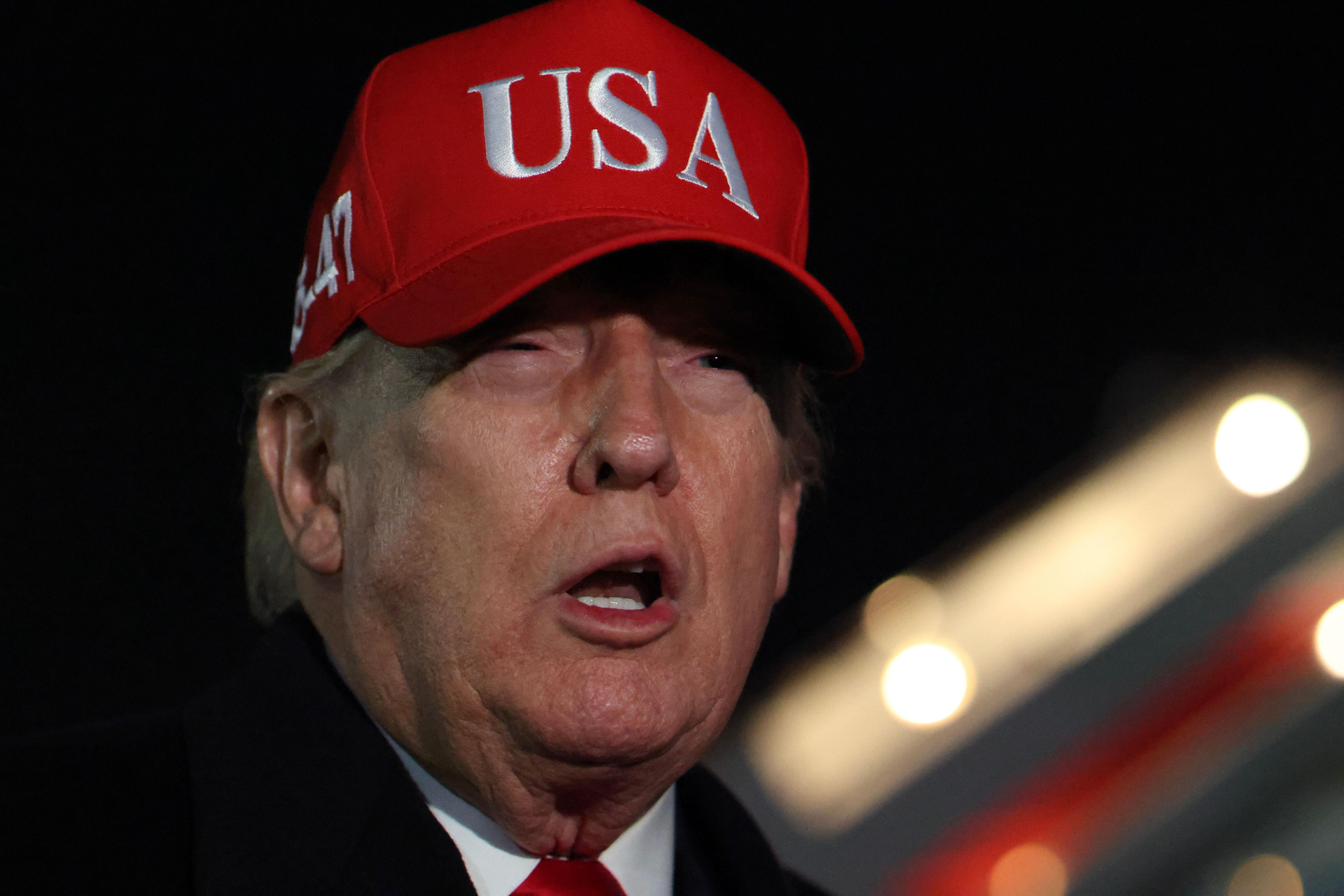
President Trump's inconsistent and inflammatory rhetoric toward Iran has created a significant strategic communications crisis, one that congressional Republicans are being urged to address through their constitutional oversight powers. Analysts warn that without a legislative check, the administration's messaging failures could undermine U.S. credibility and embolden adversaries.
Threats and Contradictions
Last week, Trump escalated tensions by threatening to destroy Iran's civilian infrastructure, stating a "whole civilization will die tonight" if Tehran refused negotiations. The remarks, condemned globally as a potential war crime, marked a stark reversal from earlier calls for the Iranian people to rise up against their government. This pattern of veering between denying regime change is a U.S. objective and claiming it has already been achieved has created profound confusion about American intentions. The administration's claim that the elimination of key officials equates to the regime's demise contradicts the ongoing hostile actions by Iran's transformed military dictatorship, now led by the Islamic Revolutionary Guard Corps.
Global Perceptions and Deterrence Failures
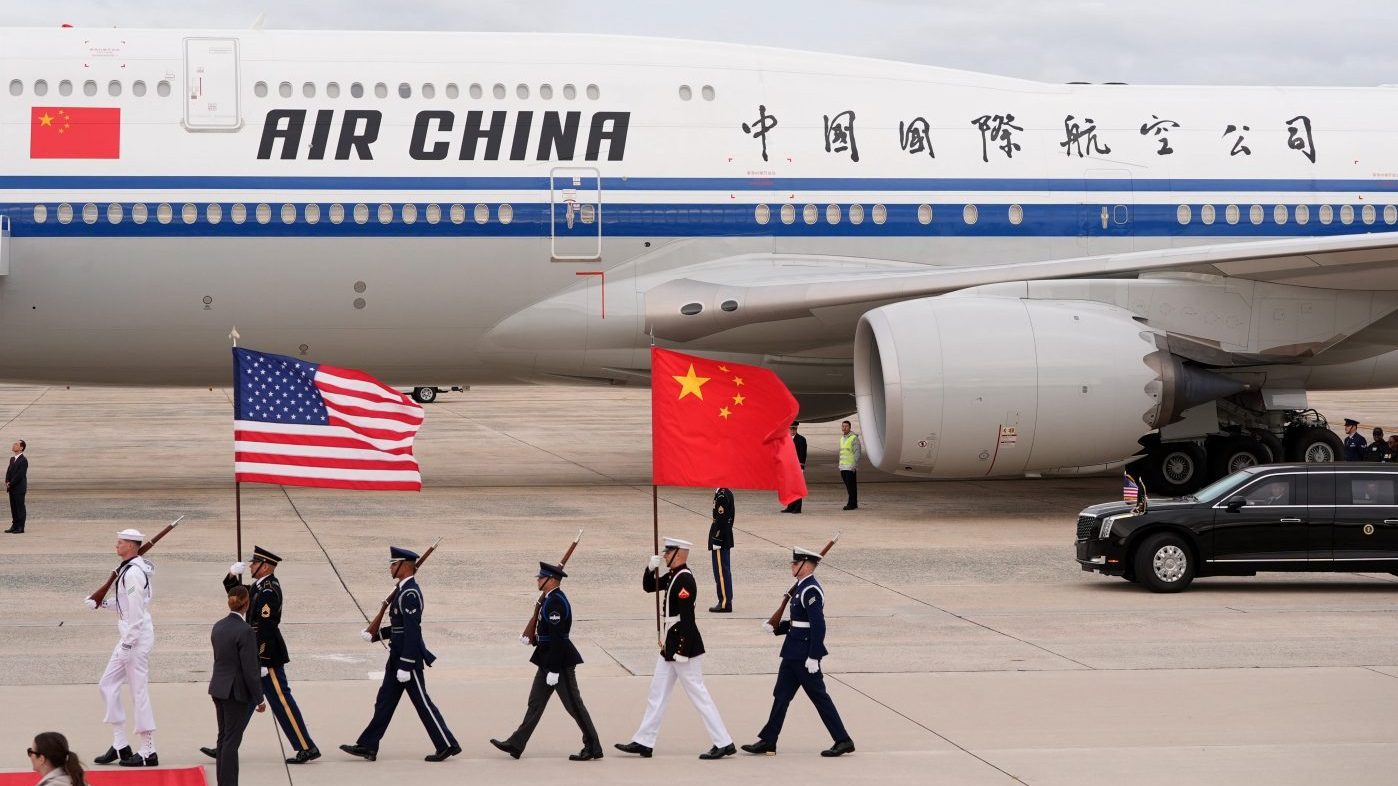
The erratic messaging carries grave implications beyond the Middle East. Iran's strategic partners, China and Russia, are closely monitoring U.S. resolve. While Trump has demonstrated a willingness to use force—citing strikes on Iranian nuclear sites and the capture of Venezuelan dictator Nicolás Maduro—his aversion to "forever wars" and the political costs of casualties may signal weakness to Beijing. This perception could dangerously reduce U.S. deterrence against Chinese aggression toward Taiwan, Japan, and the Philippines. Trump's past disparagement of Taiwan's strategic value and his focus on trade deals over confrontation have already increased regional instability.
To counter this, experts suggest Trump should strengthen the U.S. commitment to Taiwan by ending the policy of strategic ambiguity and expediting arms sales. Furthermore, demonstrating resolve against the China-Russia partnership by shifting support to Ukraine, including providing long-range missile systems, would signal consistent opposition to authoritarian expansion. The contrast is sharp: while Ukraine needs advanced weapons, the Iranian populace lacks basic arms to resist repression, a point highlighted by Trump's withdrawal of support after initially promising help.
The Call for Congressional Action
The core argument is that Republican lawmakers must intervene to establish coherent foreign policy guardrails. Trump's flawed communications not only risk embroiling the U.S. in a catastrophic conflict with Iran but also send conflicting signals to nuclear-armed near-peer competitors. The potential for miscalculation is high, with global peace and U.S. national security hanging in the balance. As one analyst noted, the administration's approach has yielded some tactical gains but created strategic confusion.
Internally, Trump faces other controversies that distract from governance, including a heated feud with the Vatican that has drawn calls for a psychiatric evaluation from political opponents. Meanwhile, allies like Senator J.D. Vance continue to defend the president's unconventional diplomacy, dismissing tensions as distractions.
Path Forward and Domestic Context
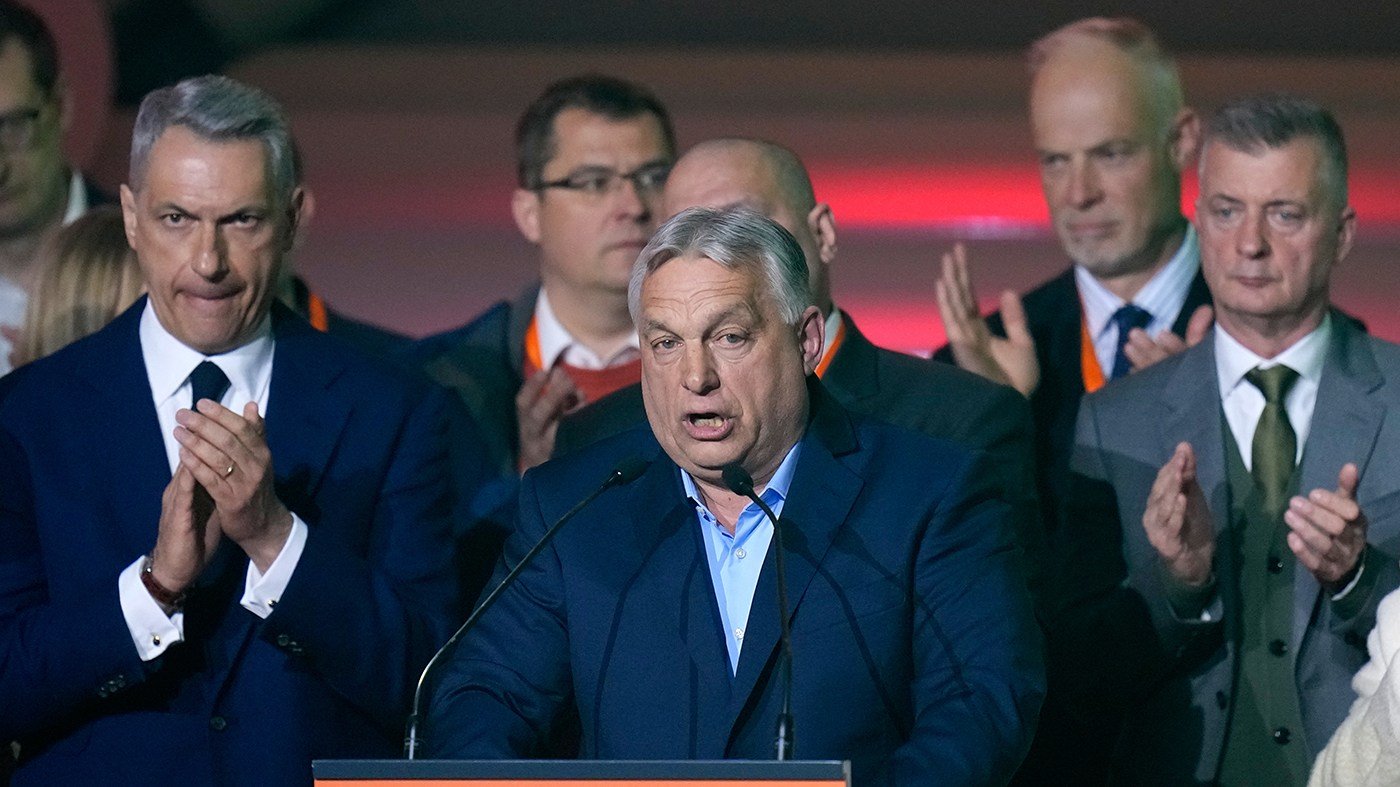
The solution requires a recalibration. Trump could mitigate dangers by making clear, declaratory statements supporting allies, accelerating defensive arms transfers, and leveraging international partnerships. With the political change in Hungary following Viktor Orbán's defeat, there is an opportunity for European allies to release frozen Russian assets for Ukraine's defense—a move the administration should encourage.
Domestically, the administration is pursuing other contentious policies, such as drafting an order for banks to collect citizenship data. However, the immediate imperative remains stabilizing foreign policy messaging. As Trump declares victory in Iran following a ceasefire, critics question the long-term strategic gains and warn that without congressional Republican stewardship, the nation's security architecture remains perilously unstable.