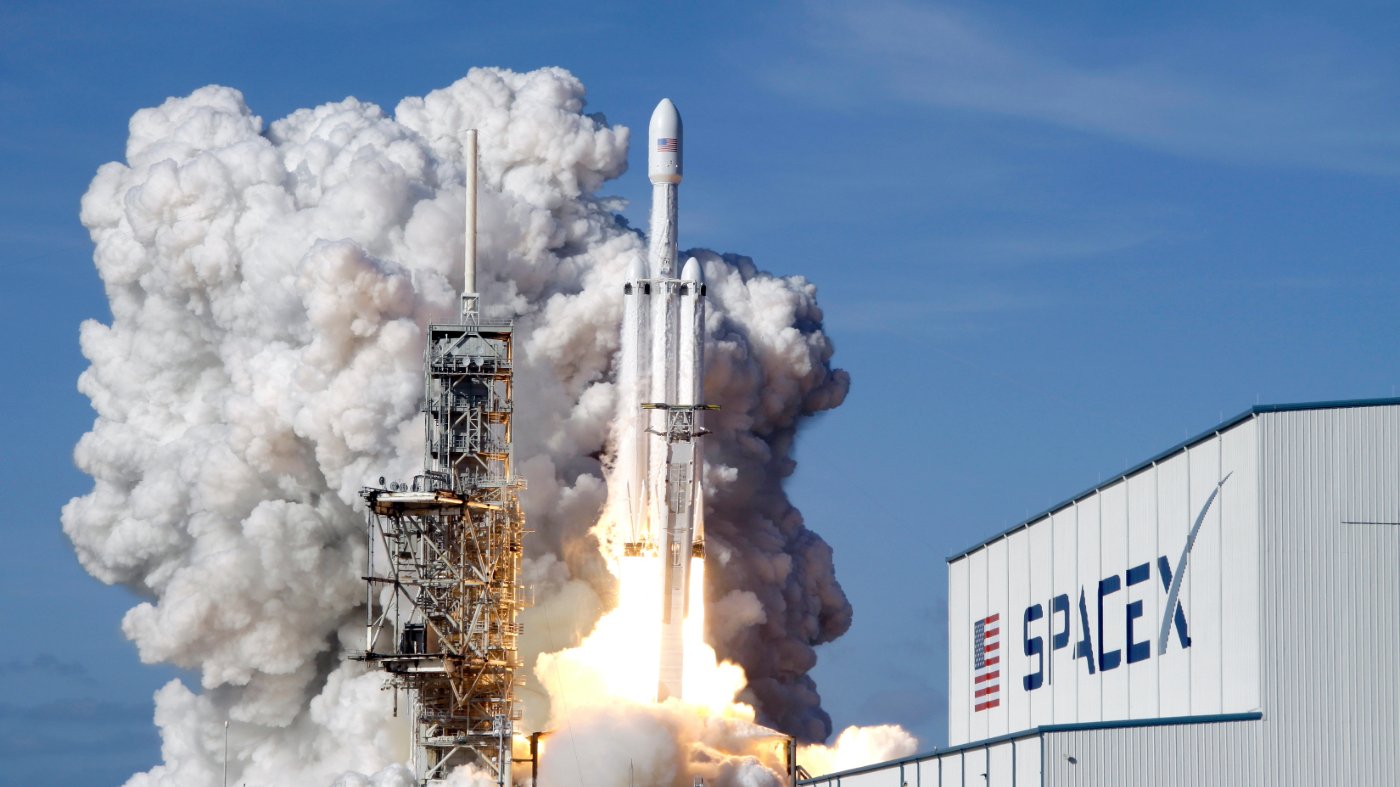
SpaceX's initial public offering filing with the Securities and Exchange Commission lays out a clear roadmap: the company's future depends on two pillars—Starship and artificial intelligence. The document, reviewed by The World Signal, makes plain that without Starship entering service, SpaceX's growth story falters. The mostly successful third test flight of the massive rocket offers some reassurance to potential investors, but repeated demonstrations of reliability will be needed to cement confidence.
On the AI front, SpaceX envisions orbiting solar-powered data centers as a key revenue stream in the near to medium term. Alongside its Starlink satellite network and launch services, the company is betting that space-based AI infrastructure will capture a slice of the booming industry. However, the biggest hurdle may not be technical but political. By placing data centers in orbit, SpaceX sidesteps local opposition to terrestrial facilities, but it must contend with a growing public unease about AI itself.
Some Americans fear job displacement, particularly in white-collar tech roles, while others worry about existential threats—a narrative that has fueled science fiction since HAL 9000 refused to open the pod bay doors in 2001: A Space Odyssey. Senator Bernie Sanders, an independent from Vermont, has been vocal in his criticism, comparing billionaires like Elon Musk to 18th-century oligarchs and calling for a slowdown in AI advancement.
Yet the job-loss fears may be overblown. The World Economic Forum projects AI will displace 92 million jobs globally by 2030 but create 170 million new ones in the same period. The disruption will be real—requiring retraining and career shifts—but the productivity gains and scientific breakthroughs, from healthcare to education, could outweigh the costs. SpaceX must prepare for regulatory battles with politicians like Sanders and address the anxiety of younger workers. One option: Musk could fund an education initiative focused on AI skills.
The IPO filing also highlights futuristic markets: point-to-point terrestrial travel, space tourism, in-orbit manufacturing, asteroid mining, and lunar or Martian capabilities like cargo transport and energy production. Private space travel is already a reality, as seen with Jared Isaacman's two missions before becoming NASA administrator, and cryptocurrency billionaire Chun Wang has expressed interest in a Starship flyby of Mars after his polar Crew Dragon flight.
SpaceX's offering is unusual in that it argues not just for financial returns but for participation in a transformative era for civilization. The company's history of Earth-changing growth supports the investment thesis, but the filing suggests something bigger: a world that may soon be multi-planetary. While this is not investment advice, the stakes are high. If Musk succeeds, SpaceX's public debut could become a landmark event for historians.
This comes amid broader political debates over technology and government oversight. The FAA's mandate for a probe after a Starship booster crash underscores the regulatory scrutiny facing the company. Meanwhile, the DNC's recent attack on Stephen Miller highlights the polarized environment in which tech giants operate. SpaceX will need to navigate these waters carefully.