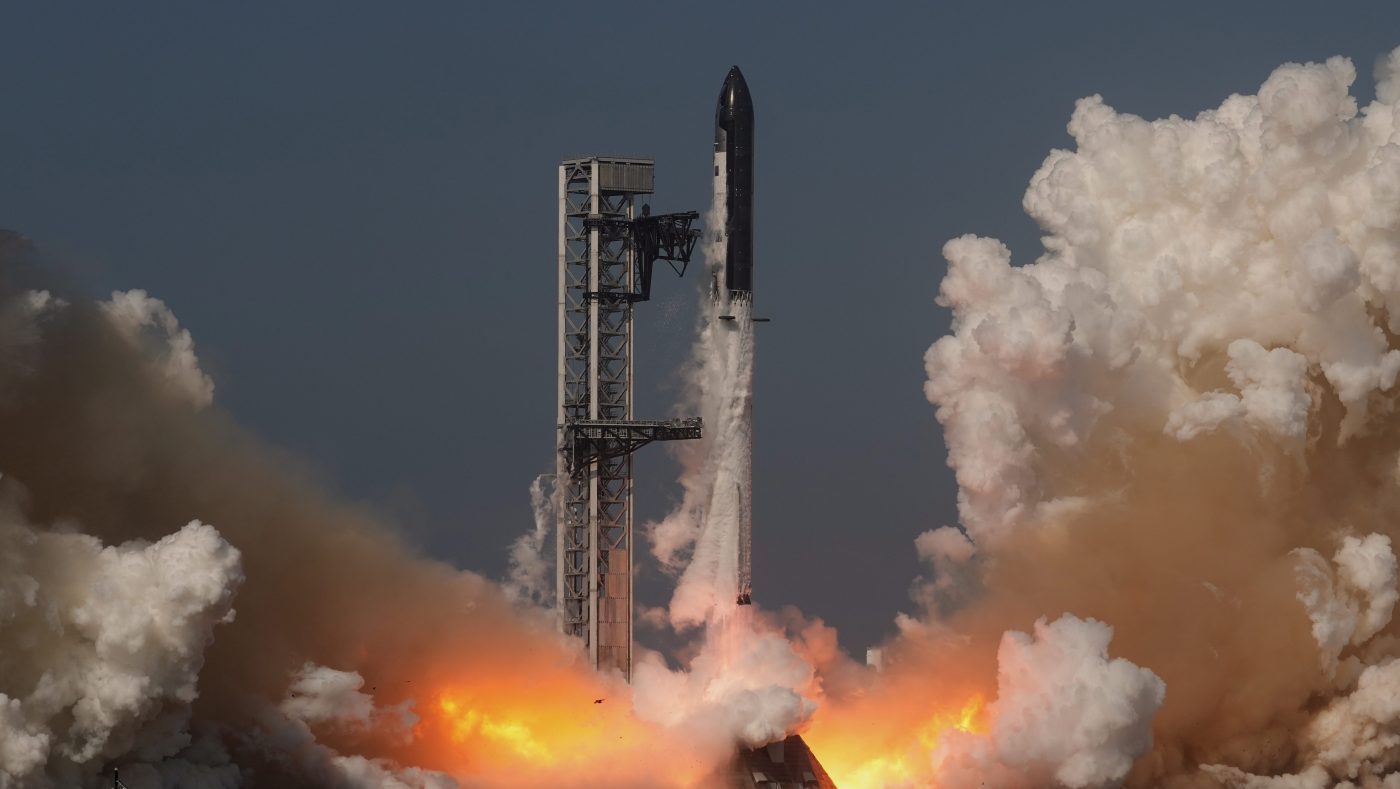
The Federal Aviation Administration has directed SpaceX to determine why its Starship Super Heavy booster malfunctioned and plunged into the Gulf of Mexico during a test flight last week, the agency confirmed Wednesday.
After reviewing the Starship Flight 12 launch, the FAA classified the event as a “mishap,” citing a failure in the booster’s controlled descent following stage separation on Thursday. The agency noted no injuries or property damage were reported.
The FAA will oversee SpaceX’s internal investigation and must sign off on the company’s final report and any corrective measures before the rocket can resume flights. The probe aims to pinpoint the root cause and ensure similar failures don’t endanger public safety in future launches.
The Hill has reached out to SpaceX for comment.
SpaceX’s Starship program is central to CEO Elon Musk’s vision of expanding space travel and eventually ferrying humans to Mars. NASA also plans to use a modified version of Starship for its Artemis lunar missions. The company’s push for a record $75 billion IPO underscores its high-stakes ambitions, though the mishap raises questions about its readiness.
NASA Administrator Jared Isaacman, a close ally of Musk, praised the test launch on social media, posting on X: “Congrats @SpaceX team and @elonmusk on a hell of a V3 Starship launch. One step closer to the Moon…one step closer to Mars.”
The incident adds to regulatory scrutiny of SpaceX as the FAA grapples with broader aviation safety challenges, including warnings from lawmakers about partisan gridlock undermining U.S. aviation oversight. The agency’s mishap investigation process is designed to balance innovation with public protection, a tension that has intensified as commercial spaceflight expands.
SpaceX has faced previous booster failures during Starship tests, but the company has iterated rapidly, upgrading to the V3 design. The crash, however, may delay upcoming missions, including those for NASA’s Artemis program, which relies on Starship for lunar landings. The FAA’s approval for corrective actions will be a critical milestone before SpaceX can attempt another launch.