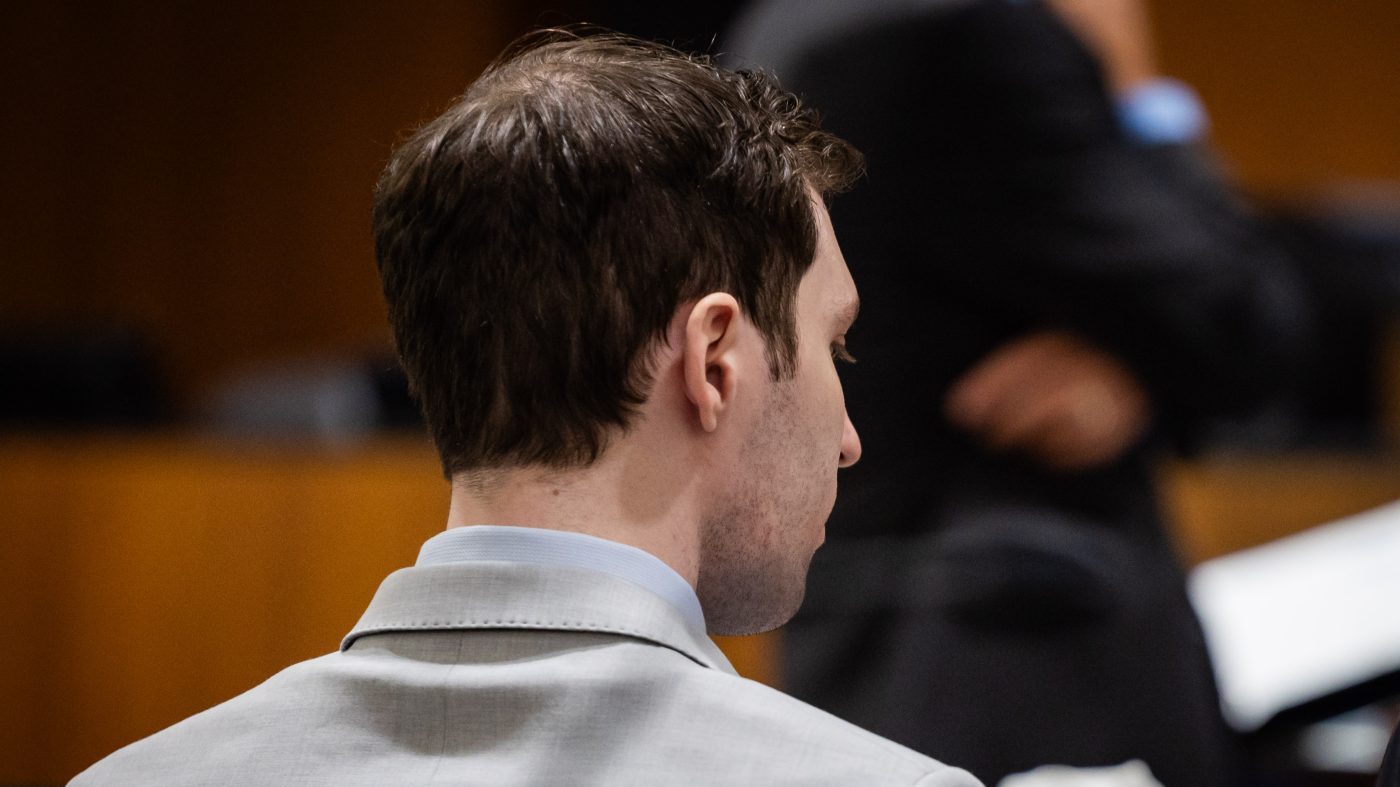
A Utah judge is now deciding whether the evidence is strong enough to send Tyler Robinson to trial for the assassination of conservative activist Charlie Kirk, as preliminary hearings concluded this week in Provo. The five-day proceedings offered the most detailed public look yet at the case prosecutors have built against the 23-year-old, who faces seven charges including aggravated murder and weapons violations.
Prosecutors allege Robinson targeted Kirk during a Turning Point USA event at Utah Valley University last September, and are seeking the death penalty. Robinson has not entered a plea, and his defense team worked throughout the hearing to cast doubt on key pieces of evidence.
Roommate's Alleged Confession Takes Center Stage
One of the most dramatic moments came Thursday, when prosecutors played a recorded interview with Lance Twiggs, Robinson's former roommate and romantic partner. In the video, Twiggs said Robinson was “crying a little bit” and told him “he wishes he hadn’t done it” during a conversation at their shared apartment in southern Utah the day after the shooting.
Defense attorney Richard Novak objected to portions of the recording being played publicly, arguing that prosecutors were trying to portray the statement as a confession, which could prejudice potential jurors and violate Robinson's right to a fair trial. “We are very concerned that the publication of what the state will call confessions at trial violates Mr. Robinson’s due process rights,” Novak told Judge Tony Graf.
Graf ordered some parts of the video redacted before it was shown in court—a decision that disappointed Kirk's family. “The Kirk family believes strongly that if the evidence is being admitted at this preliminary hearing, it should be made public for the world to see,” said Erika Kirk’s attorney, Jeffrey Neiman.
Text Messages and Surveillance Detail the Day
Prosecutors also introduced text messages between Twiggs and Robinson that they argue amount to a confession. Around 11 p.m. on the day of the shooting, Robinson allegedly sent an automated message telling Twiggs to “drop what you are doing, look under my keyboard.” He then texted that he “tried to delete” the message but was “ok” and “stuck in orem.”
“shouldn’t be long until I can come home, but I gotta grab my rifle still. to be honest I had hoped to keep this secret till I died of old age. I am sorry to involve you,” Robinson wrote, according to messages shown in court. When Twiggs replied, “you werent the one who did it right????,” Robinson responded, “I am, I’m sorry.” Twiggs has been granted immunity for his testimony.
Surveillance footage from campus showed Robinson arriving around 8:30 a.m. local time, staying for about an hour, making contact with TPUSA members, then leaving and returning on foot. He ate at Chick-fil-A, left again, and came back wearing a different outfit. Utah State Bureau of Investigations Agent David Hull testified that a car belonging to Robinson was identified on campus.
Emotional Courtroom Scenes and Family Statements
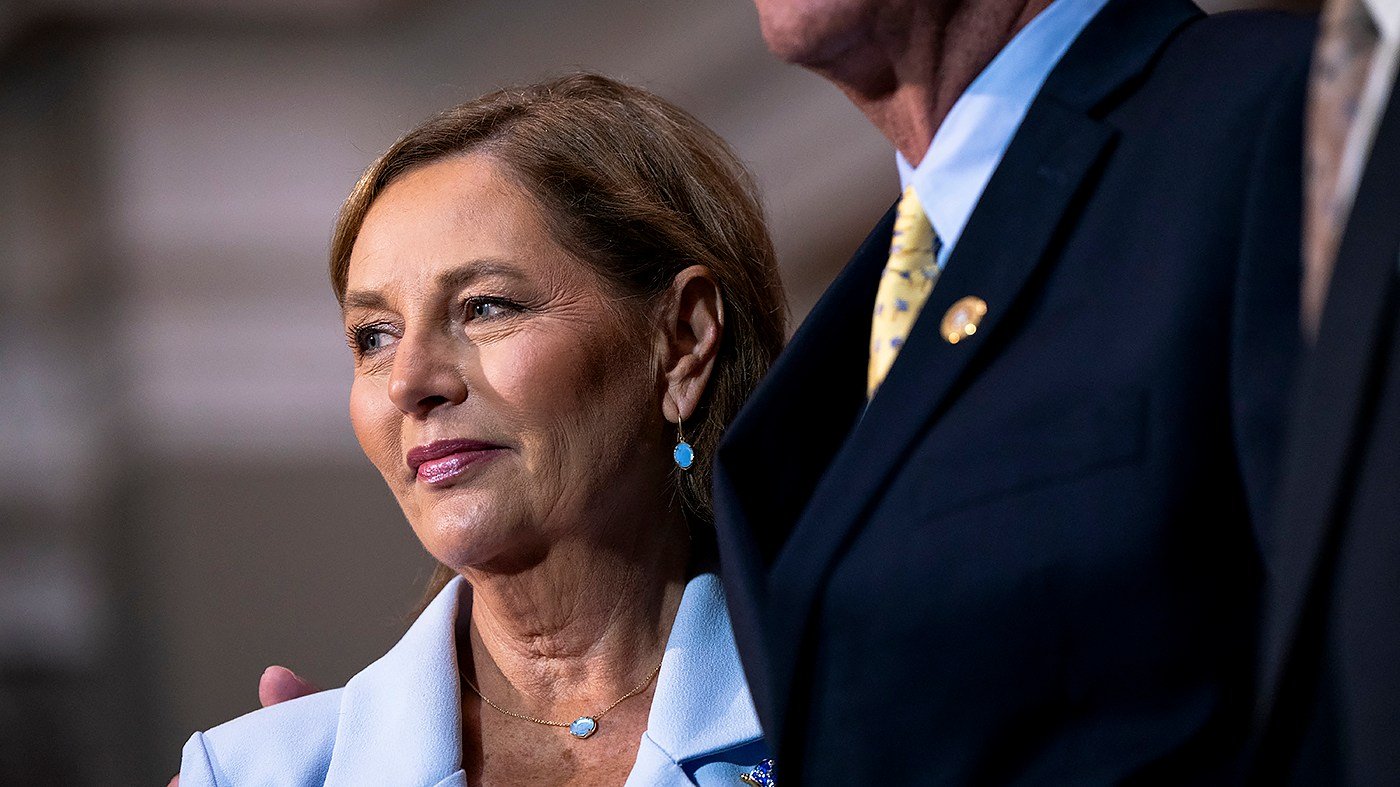
Kirk’s widow, Erika, and his mother attended the hearings, sitting in the front row as prosecutors showed enhanced surveillance footage of Robinson’s movements before the shooting. The enhanced video was not broadcast on the media livestream, but unaltered footage had been shown earlier.
When the video depicted a man later identified as Robinson crawling across a rooftop where he allegedly fired a single bullet into Kirk’s neck, Erika buried her head in her mother-in-law’s arms, according to The Associated Press. The two women embraced and cried silently, looking away until the video ended.
In a statement after the hearings, the family called the proceedings “an important step forward in the pursuit of justice for Charlie.” They added, “As difficult as these last few days have been, it brings our family comfort to know that the world has witnessed the overwhelming evidence of what occurred to Charlie that day.” President Trump’s son, Donald Trump Jr., attended the first day of the hearings.
Defense Targets Ballistics and DNA Evidence
The defense used the hearing to lay groundwork for a potential trial strategy, challenging the reliability of ballistics and DNA evidence. Robinson’s lawyers questioned the chain of custody for forensic samples and argued that the state’s analysis of the shooting trajectory was inconclusive.
In a related development, an ex-officer testified about a “sniper pad” found at the scene, according to a separate report. The defense also pointed to a confession note that was revealed in court but argued it was obtained under duress.
Judge Graf is expected to rule in the coming weeks on whether the case will proceed to trial. If it does, prosecutors will continue to seek the death penalty, while the defense will likely focus on the credibility of the confession and the forensic evidence.
For now, the hearing has provided a stark picture of the evidence against Robinson, but the legal battle is far from over.