The United Nations has taken the unprecedented step of adding Israeli and Russian security forces to its annual blacklist of parties credibly suspected of committing sexual violence during armed conflict. The report, released Friday, highlights allegations of rape against Palestinian detainees held by Israeli forces and widespread sexual abuse by Russian troops in Ukraine.
The UN list now includes 77 government and non-government entities across multiple conflict zones. Among them are Israeli and Russian military personnel, as well as Hamas and other armed groups. The designation marks the first time Israel and Russia have been formally cited in this context.
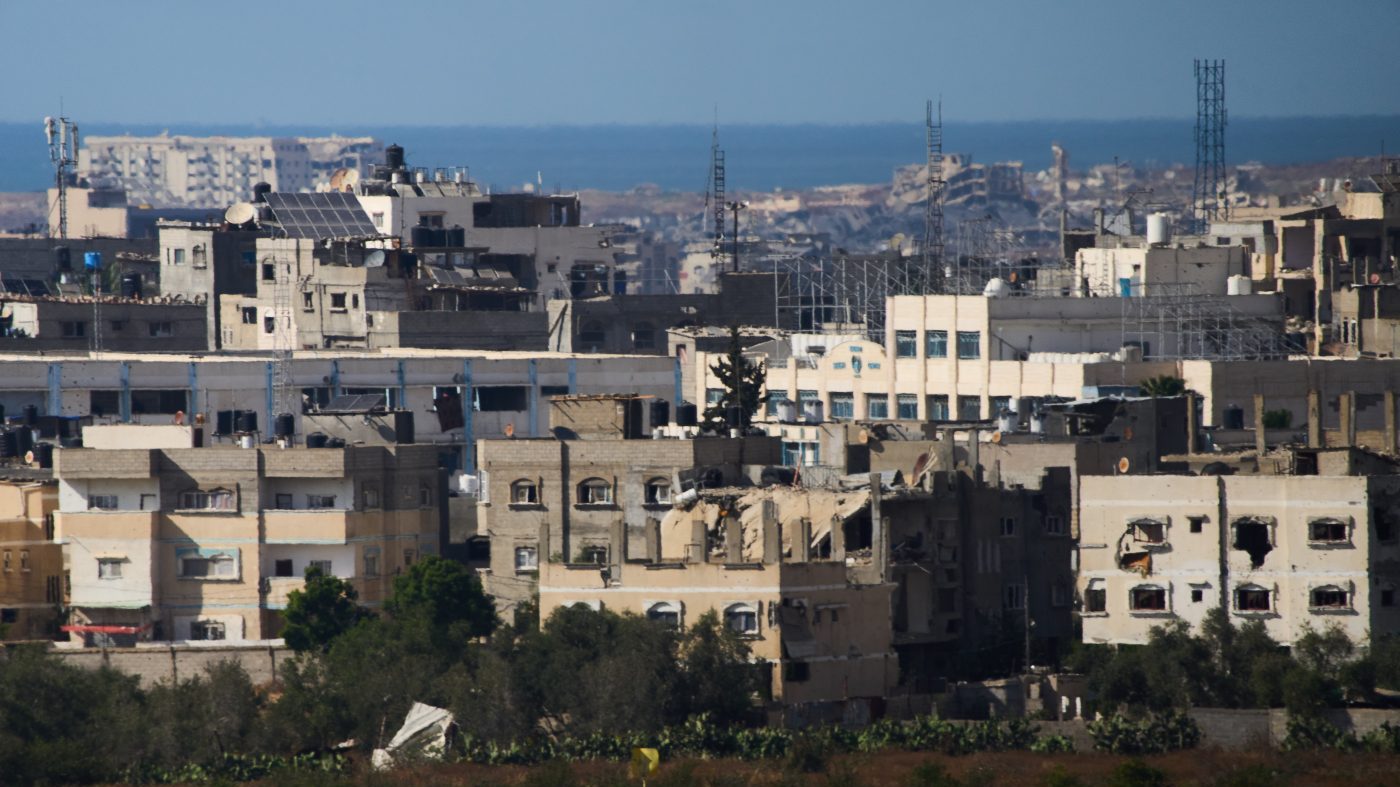
According to the UN findings, Israeli forces engaged in acts of sexual violence against Palestinian detainees amid the ongoing war in Gaza and operations in the West Bank between 2023 and 2025. Despite Israel barring UN experts from accessing its detention centers, investigators verified dozens of cases involving men, women, and children subjected to rape, torture, and other forms of sexual abuse.
In Ukraine, the UN documented 310 verified instances of sexual violence perpetrated by Russian forces against civilians and detainees. Many victims endured repeated abuse and torture, with patterns of violence extending across occupied territories. The report underscores the systematic nature of these abuses, which have been a focal point of international condemnation as tensions with NATO escalate.
The blacklist places Israeli and Russian forces alongside notorious groups such as Sudan's Rapid Support Forces and rebel factions in the Democratic Republic of Congo, both accused of widespread atrocities. This grouping has drawn sharp criticism from Israeli officials, who argue it unfairly equates a state military with terrorist organizations.
Israeli Ambassador to the UN, Danny Danon, reacted with fury, threatening to sever ties with Secretary-General António Guterres after learning of Israel's inclusion. Danon accused Guterres of fabricating claims and said, “To put us and Hamas terrorists on the same list… That’s unacceptable.” He described the report as “disconnected from the facts and reality.”
The UN report arrives amid broader geopolitical strains, including Russian drone strikes on Romania that have heightened NATO tensions. Meanwhile, Baltic states are bracing for potential Russian aggression, and Ukraine continues to press for advanced air defense systems. The blacklist may further complicate diplomatic efforts, particularly as the Trump administration navigates conflicts in the Middle East and Europe.
Human rights groups have welcomed the UN's move, calling it a necessary step to hold perpetrators accountable. However, they note that the blacklist lacks enforcement mechanisms and relies on member states to act on the findings. The report is expected to fuel debates at the UN Security Council, where Russia holds veto power and Israel enjoys strong support from the United States.
The inclusion of both Israeli and Russian forces underscores the UN's growing willingness to call out abuses by powerful states, even as critics question the organization's selectivity and political motivations. For now, the blacklist serves as a stark reminder of the human toll of these conflicts, with victims demanding justice that remains elusive.