On May 19, the Russian Defense Ministry unexpectedly announced a major military exercise involving 64,000 personnel and 7,800 units, including over 200 missile launchers, more than 140 aircraft, 73 surface ships, and 13 submarines—eight of which are strategic missile submarines. The ministry stated the exercise would focus on joint training and the use of nuclear weapons deployed in Belarus, catching observers off guard as no prior warning was given. This marked the largest such drill in years.
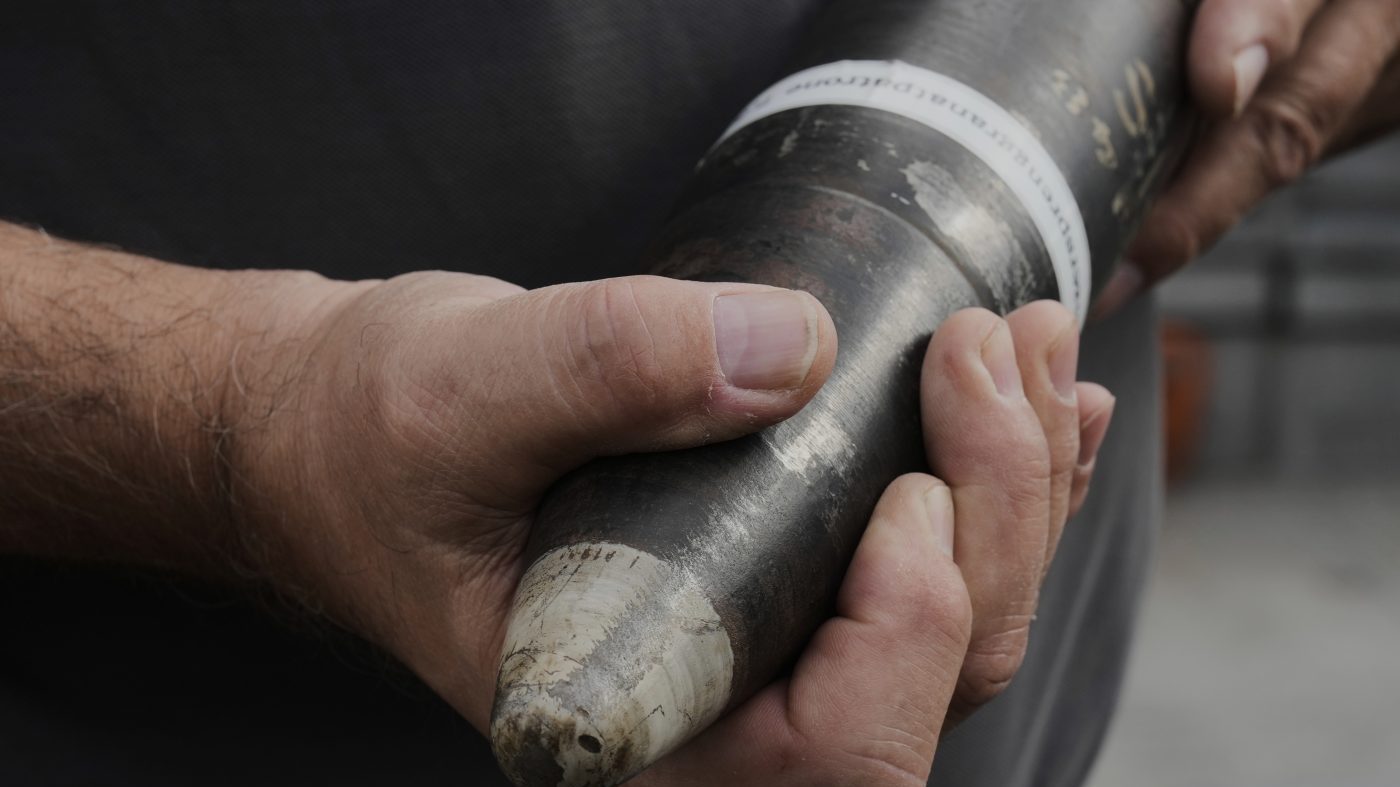
The exercise featured the dual-capable Oreshnik intermediate-range ballistic missile, which Russia deployed to Belarus for the first time last year. Three days after the exercise ended, Russia fired a non-nuclear Oreshnik at the Ukrainian city of Bila Tserkva near Kyiv, part of a massive attack involving 600 strike drones and 90 missiles launched from air, sea, and land. This was the third Oreshnik strike in the war and the first since January.
The timing of the exercise and attack appears deliberate, aimed at signaling to both Ukraine and NATO that Moscow remains committed to its wartime objectives. However, despite not losing the war, Putin is far from winning it. Now in its fifth year, the conflict shows no signs of resolution. For the first time in two years, Ukraine is reclaiming territory. Brigadier General Andriy Biletsky, commander of Ukraine’s Third Army Corps, recently stated that Russian forces are exhausted and that Kyiv is on the verge of a turning point.
These battlefield setbacks have fueled Putin's frustration, as evidenced by the nuclear exercise and the latest drone and missile barrage. Whether Putin might resort to using a nuclear-tipped Oreshnik or another nuclear weapon remains uncertain but cannot be dismissed. He has previously threatened nuclear escalation, which appeared to intimidate the Biden administration into delaying critical weapons shipments to Ukraine.
Putin may also channel his frustration toward the Baltic states, where Russia has been launching drones. European fears are growing that, facing a stalemate in Ukraine, Putin could order an attack on one of Russia's small neighbors. While Russia's forces are stretched thin—with half a million troops lost and hundreds of thousands wounded—it still has the capability to strike the Baltics if it chooses. Reports that the Trump administration has discussed withdrawing most U.S. forces from Europe only heighten these concerns.
President Trump has not specified which troops would be withdrawn, but he has announced plans to deploy 5,000 additional troops to Poland, likely from Germany. This move could reinforce NATO's deterrent against Russian aggression. Meanwhile, Washington remains preoccupied with Iran's closure of the Strait of Hormuz, skirmishes with the Islamic Revolutionary Guard Corps, and efforts to contain Tehran's nuclear ambitions. U.S. attempts to broker a ceasefire between Russia and Ukraine have stalled.
Signaling force drawdowns from Europe only whets Putin's insatiable appetite. He might assume that with the U.S. focused on the Middle East, now is the ideal time to test NATO. Washington must deter, not encourage, the Kremlin. It would be wise to suspend all talk of troop withdrawals until there is at least a semblance of a settlement with Iran. As Germany's defense surge demonstrates, European allies are stepping up, but U.S. commitment remains critical.
The risk of miscalculation is high. If Putin perceives a weakened NATO posture, he may be emboldened to act, potentially triggering Article Five and dragging the U.S. into a war it seeks to avoid. The Kremlin's latest moves underscore the need for a firm response to dissuade any aggression against NATO members.