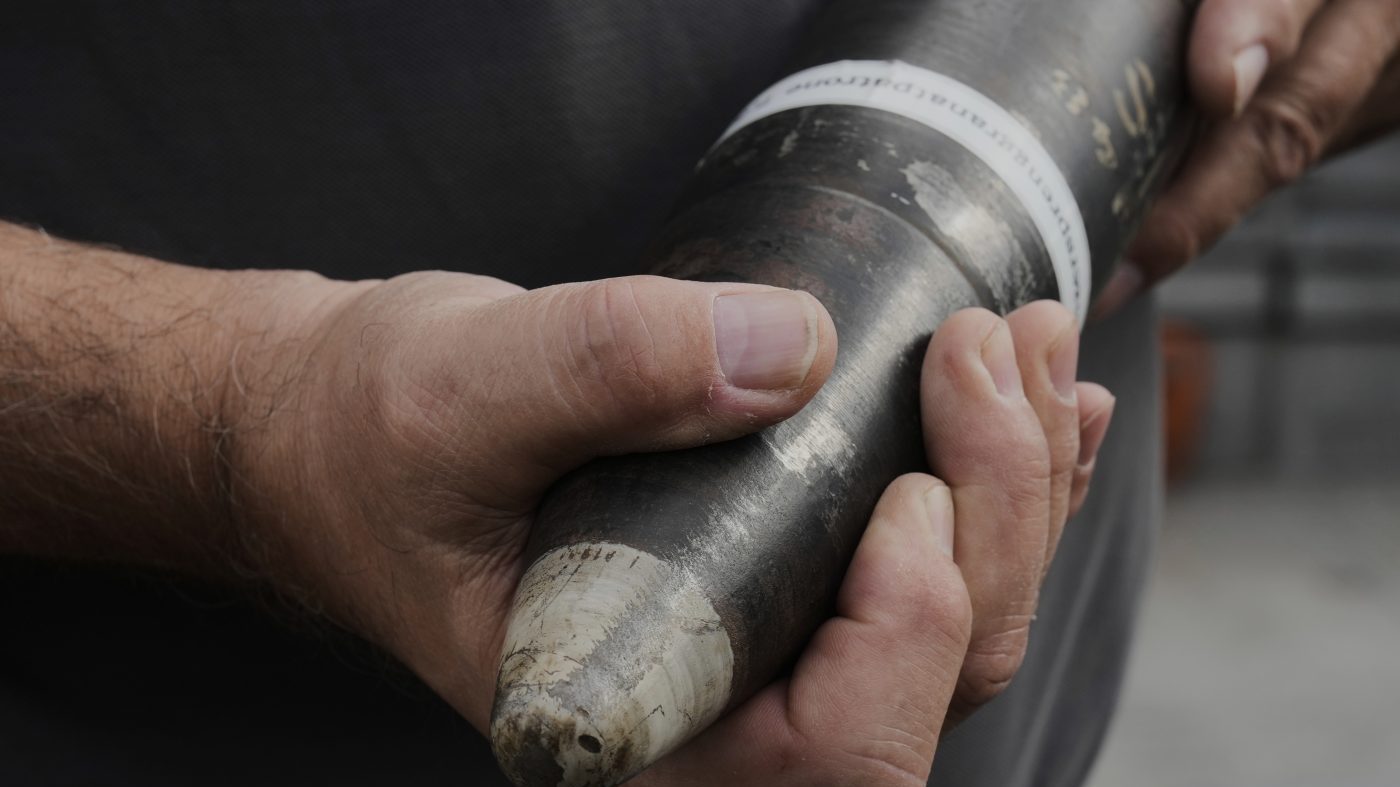
BUCHAREST — A Russian drone launched as part of a large-scale overnight assault on Ukraine crashed into an apartment building in the eastern Romanian city of Galati early Friday, injuring two people and igniting a fire, according to Romanian authorities. The incident, which occurred in a NATO member state, has heightened fears that the war in Ukraine could spill more directly across the alliance's borders.
Romania's Defense Ministry reported that the drone, tracked by radar entering Romanian airspace, struck the roof of a residential structure in the Danube port city. The two injuries were described as minor, and several residents were evacuated as a precaution. It marks the most serious such violation since Moscow launched its full-scale invasion in February 2022, with previous drone fragments landing in remote areas without causing casualties.

NATO on Edge After Latest Incursion
The incursion drew swift condemnation from European leaders, who labeled Russia's actions reckless. NATO Secretary-General Mark Rutte expressed “absolute solidarity” with Romania after speaking with President Nicusor Dan, vowing that “NATO stands ready to defend every inch of Allied territory.” The alliance has been on high alert as both Russian and Ukrainian drones have strayed into member states, raising questions about air defense readiness on the eastern flank.
Romania scrambled two F-16 fighter jets and a helicopter but did not engage the drone over the city, which sits near the borders of Ukraine and Moldova. Bucharest has since urged NATO to accelerate the transfer of anti-drone systems to its military, calling the violation a serious breach of international law. The Romanian Foreign Ministry summoned Russian Ambassador Vladimir Lipaev, declaring the Russian consul in the Black Sea port of Constanta persona non grata and ordering him to leave within 72 hours.
Putin Denies Responsibility as Dan Cites Evidence
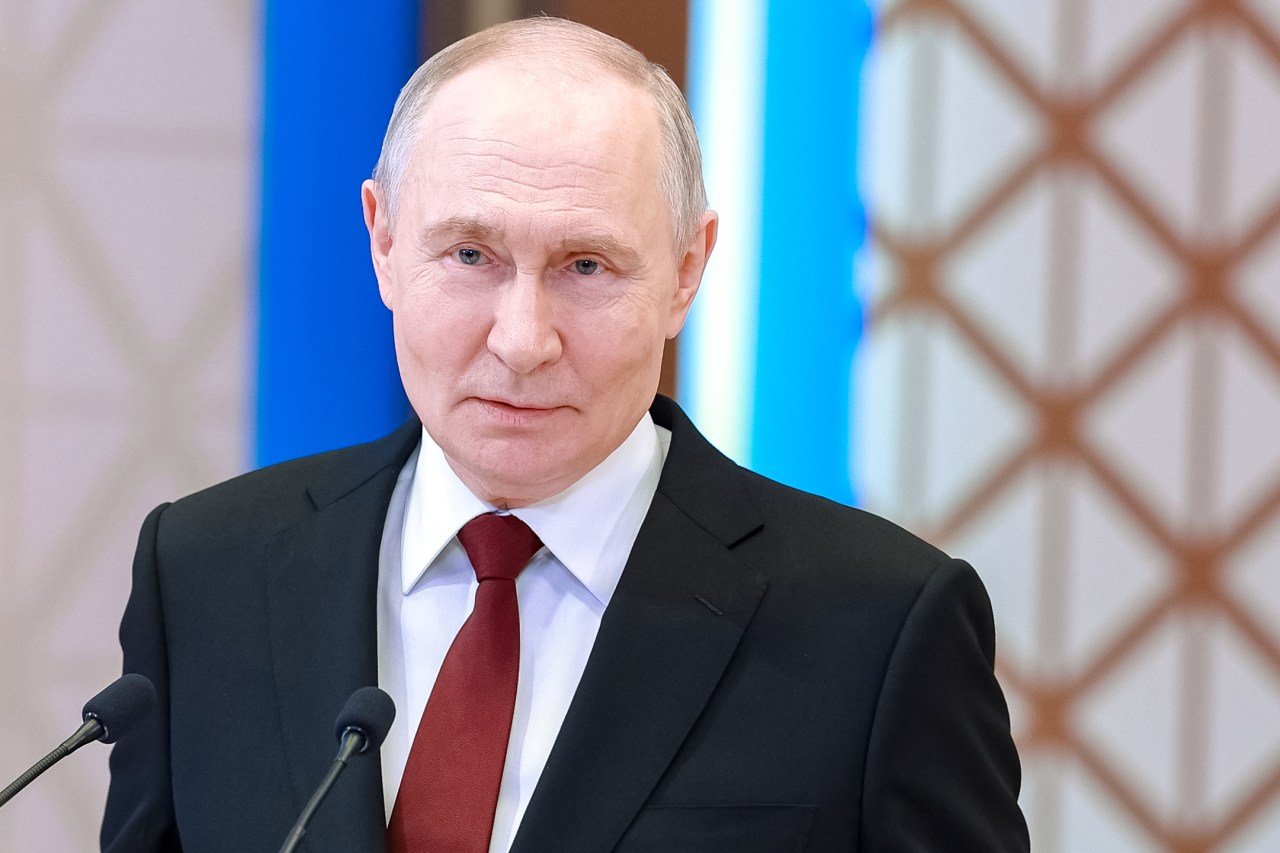
Speaking during a state visit to Astana, Kazakhstan, Russian President Vladimir Putin questioned the drone's origin, telling reporters that “no one can say what origin a particular aircraft has until it has been examined.” He urged Romania to hand over the wreckage for an “objective investigation.” But Romanian President Nicusor Dan identified the drone as a Russian Geran-2, part of a swarm of 43 drones launched from Russia. “We know the trajectory, we know where it went through Ukraine, we know where it entered Romania,” Dan stated, adding that investigators believe it was carrying at least 30 kilograms (66 pounds) of explosives.
Gen. Gheorghe Maxim, interim commander of the Romanian armed forces' joint staff, stressed that the incident was not “an attack from Russia against Romania,” but warned that “Romanians should understand that Russia is a threat to the security of the countries in the area.” Ukrainian President Volodymyr Zelenskyy, who spoke with Dan, praised Romania's “principled, prompt, and strong” response, pledging continued coordination to counter Russian threats.
Broader Pattern of Drone Incursions
Friday's incident adds to a growing list of drone-related violations across Europe. Ukrainian drones have previously struck a power plant chimney in Estonia and empty fuel tanks in Latvia, while Romanian fighter jets stationed in Lithuania shot down others. Ukrainian officials apologized, attributing the stray drones to Russian electronic interference. Poland, Croatia, and non-NATO member Moldova have also reported airspace breaches and found drone fragments on their territory since the war began.
A senior U.S. military official, speaking on condition of anonymity, told reporters that “hybrid activities” — including drone incursions, hacking, and other acts short of military force — have increased and are part of a Russian campaign to achieve strategic objectives without direct confrontation. The official suggested that NATO could be more aggressive in countering these actions without triggering escalation.
Romania has taken legislative steps to address the threat, passing a law last year authorizing the military to shoot down drones entering its airspace as a last resort. However, officials have remained cautious, noting the risks to populated areas. The country's top defense body convened Friday to discuss what Dan called “the worst incident to hit the national territory” since the war began.
The incident underscores the fragility of NATO's eastern defenses and the challenges of managing a conflict that increasingly blurs the line between war and peace. As Russia continues to target Ukraine's energy grid and civilian infrastructure, and Ukraine strikes deep into Russian territory, the risk of further spillover remains high.