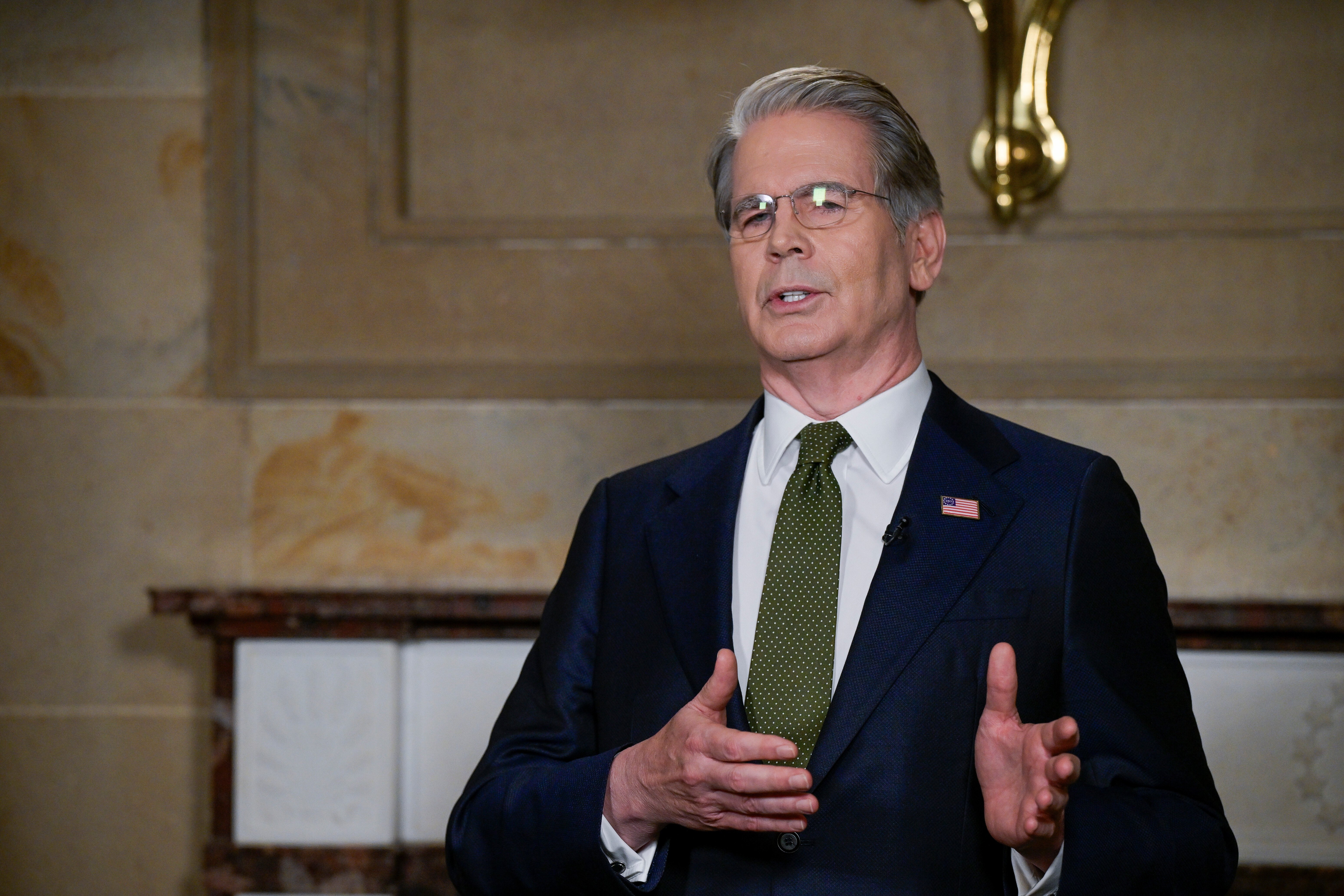
Treasury Secretary Scott Bessent has confirmed that the Trump administration is actively developing an executive order that would mandate U.S. banking institutions to collect and verify citizenship information from their customers. In an interview with Semafor, Bessent stated the proposal is currently "in process" and defended it as a necessary measure for national security and financial system integrity.
"I don't think it's unreasonable, because why don't we have information on who's in our banking system?" Bessent argued. He drew a comparison to property ownership rules in the United Kingdom, questioning, "How do we know that it's not part of a foreign terrorist organization?"

Policy Details and Documentation Requirements
The draft order, first reported earlier this year, would require banks to request additional identification documents from account holders. According to Semafor, standard REAL IDs would not satisfy the new requirement as they do not prove citizenship, potentially necessitating documents like passports. This initiative represents the latest effort by the administration to leverage financial system access in its broader immigration enforcement agenda.
Republican Support and Legislative Pressure
The move has garnered support from congressional Republicans. Following reports that banks might begin requiring passports, Senator Tom Cotton (R-Ark.) reposted a letter he sent to Bessent last October on social media. In the letter, Cotton urged the Treasury Department to "undertake a comprehensive review of current rules that allow illegal aliens to obtain financial services and access to the US banking system."
"Access to the American banking system is a privilege that should be reserved for those who respect our laws and sovereignty," Cotton wrote. He contended that allowing accounts without verifying legal status enables unauthorized immigrants to "establish financial roots and integrate economically, all while bypassing the legal channels that millions use properly."
White House Response and Official Confirmation
Despite Bessent's confirmation, the White House has previously characterized media reports on the potential policy as speculative. Earlier this year, White House spokesman Kush Desai told NewsNation that "any reporting about potential policymaking that has not been officially announced by the White House is baseless speculation." The administration's public stance suggests internal policy development is ongoing but not yet finalized for official announcement.
The proposal intersects with broader debates over data collection, national security, and financial inclusion. It follows a pattern of the administration using executive authority to enact significant regulatory changes across federal agencies. Banking industry groups are likely to scrutinize the operational and compliance burdens such a mandate would impose.
If implemented, the order would mark a substantial shift in customer identification standards for the financial sector, potentially affecting millions of account holders. It also raises questions about data privacy and the scope of information the federal government can require private institutions to collect on behalf of immigration enforcement objectives.