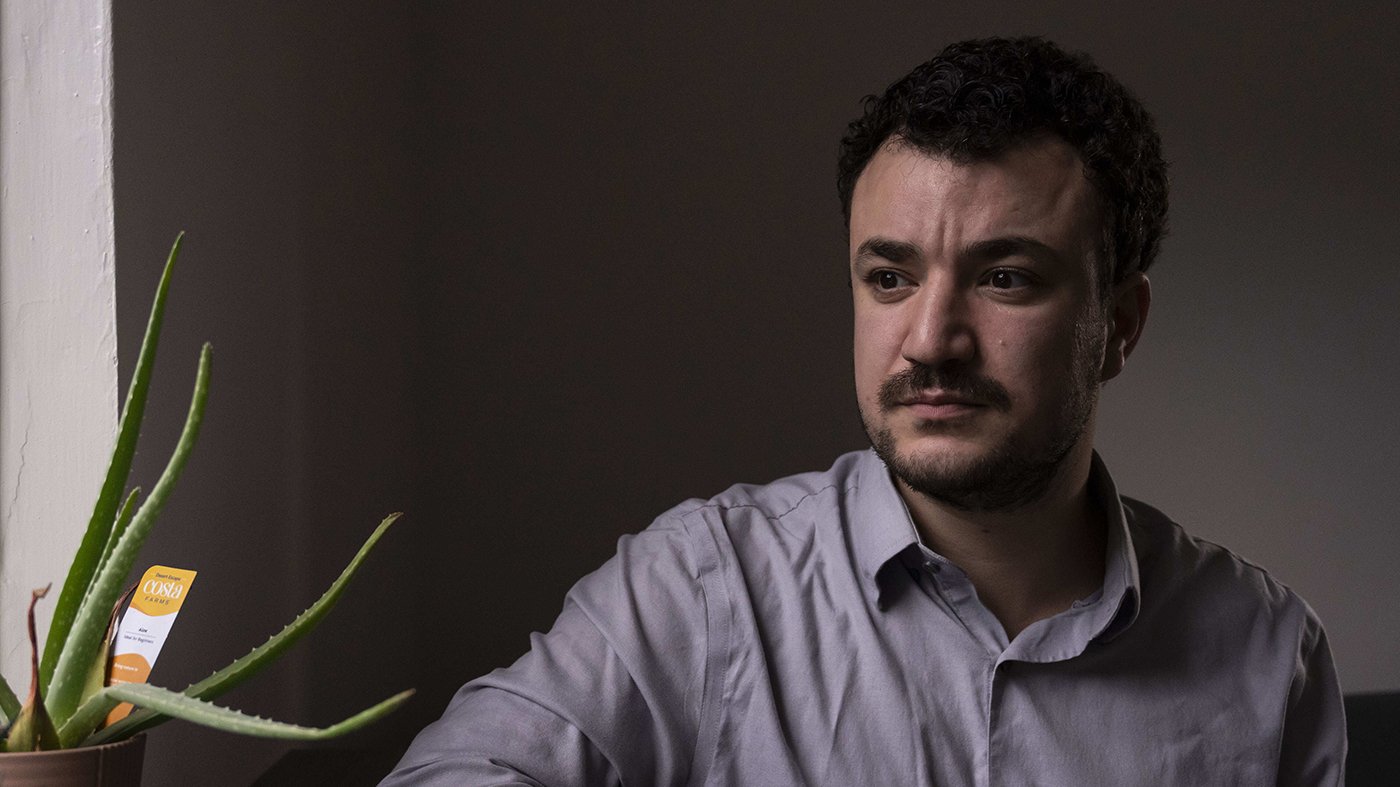
The Board of Immigration Appeals (BIA) has issued a final order of removal for Mahmoud Khalil, a prominent student activist involved in pro-Palestinian demonstrations at Columbia University. The decision, delivered Thursday, denies Khalil's appeal to have his deportation case dismissed entirely.
While BIA rulings are not publicly accessible, Khalil's legal team disclosed the outcome, framing it as a politically driven action by an immigration court system they argue has become weaponized under the current administration. "I am not surprised by this decision from the biased and politically motivated Board of Immigration Appeals," Khalil stated. "The only thing I am guilty of is speaking out against the genocide in Palestine — and this administration has weaponized the immigration system to punish me for it."
Khalil's immediate deportation remains blocked by a separate, ongoing federal lawsuit he filed against the Trump administration. This parallel legal battle creates a complex jurisdictional standoff, temporarily shielding him from detention or removal while the courts wrestle with the underlying constitutional questions.
Background of the Case
Khalil first faced arrest last year under the Trump administration, which alleged he posed a threat to U.S. foreign policy and had associations with terrorist groups due to his activism. He was released months later as his cases moved through the system. The BIA's latest order upholds his deportation based on a determination by Secretary of State Marco Rubio that Khalil represents a foreign policy threat.
This rationale has already faced judicial skepticism. Khalil's lawyers note that a federal district court previously indicated that deporting someone solely for being a perceived foreign policy threat was likely unconstitutional. "The BIA's decision has absolutely no support in the record, violates a federal court order, and we’ll be fighting it until the end," said lead immigration attorney Marc Van Der Hout. He condemned what he called a "baseless and politically motivated decision," arguing it continues a pattern of retaliation for Khalil exercising his First Amendment rights.
Broader Legal and Political Context
The case highlights escalating tensions between immigration courts and the federal judiciary. Khalil's federal case recently encountered its own obstacle when an appeals court ruled that a district judge overstepped by ordering his release from custody, asserting that immigration courts must first complete their process. This reflects broader legal conflicts over jurisdictional authority between different branches of government.
Khalil's attorneys argue his treatment is part of a wider trend, claiming the Trump-controlled immigration courts are delivering unfavorable outcomes for noncitizens at an unprecedented rate. The allegation of using legal systems for political ends echoes other high-profile disputes, such as when former President Trump appeals various legal penalties, though in a different legal arena.
The case also intersects with heated domestic debates over immigration enforcement and free speech. Advocates see it as a test of whether criticism of U.S. foreign policy, particularly regarding Israel and Palestine, can be grounds for removal. This occurs amid other contentious policy battles, including efforts by educators seeking limits on immigration enforcement near schools.
As the legal duels continue, Khalil's fate hinges on whether federal courts will ultimately intervene to overturn the BIA's removal order. The outcome could set a significant precedent for the limits of executive power in using immigration law against political activists, a issue that resonates in a climate where immigration enforcement policies face intense scrutiny for their human consequences.