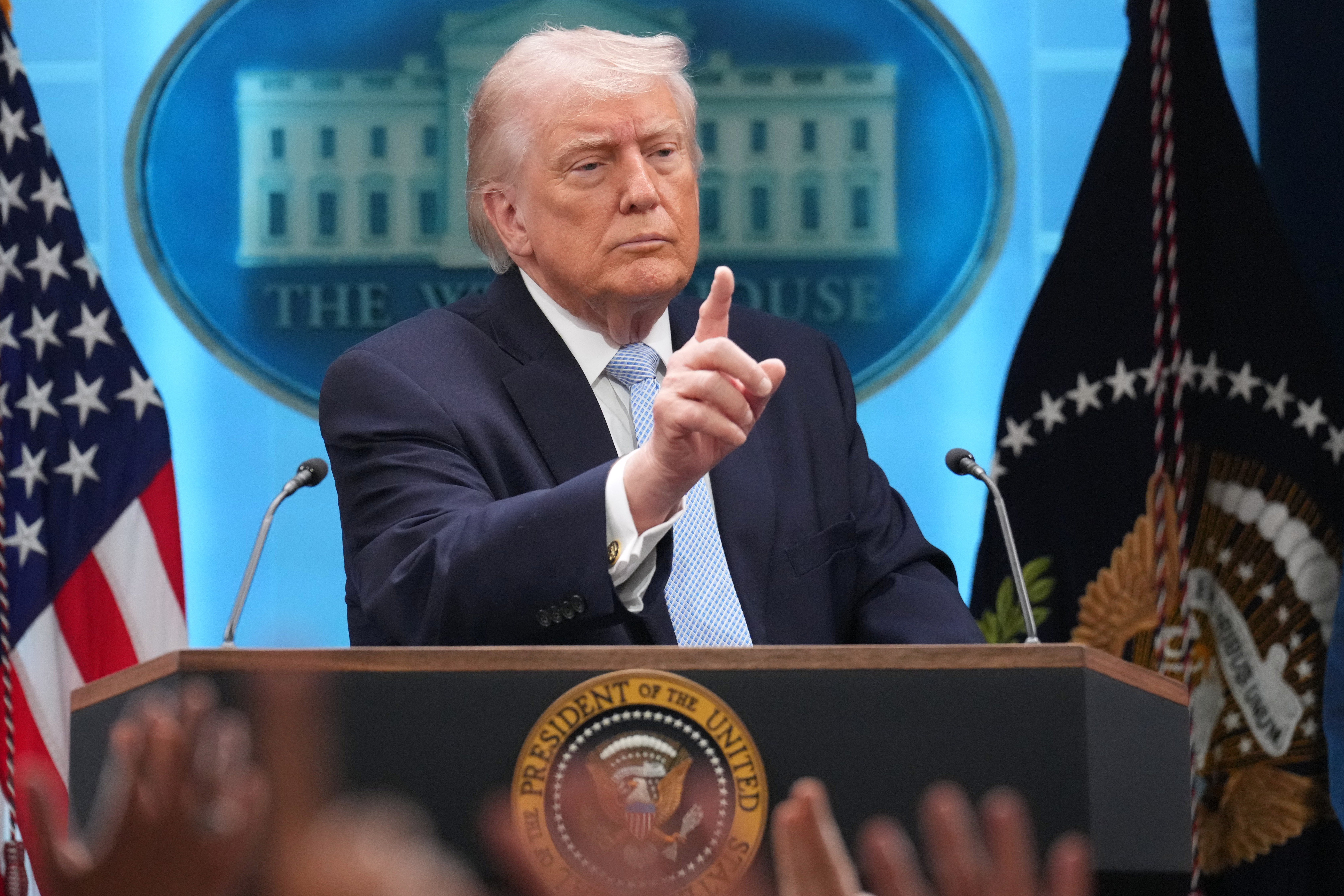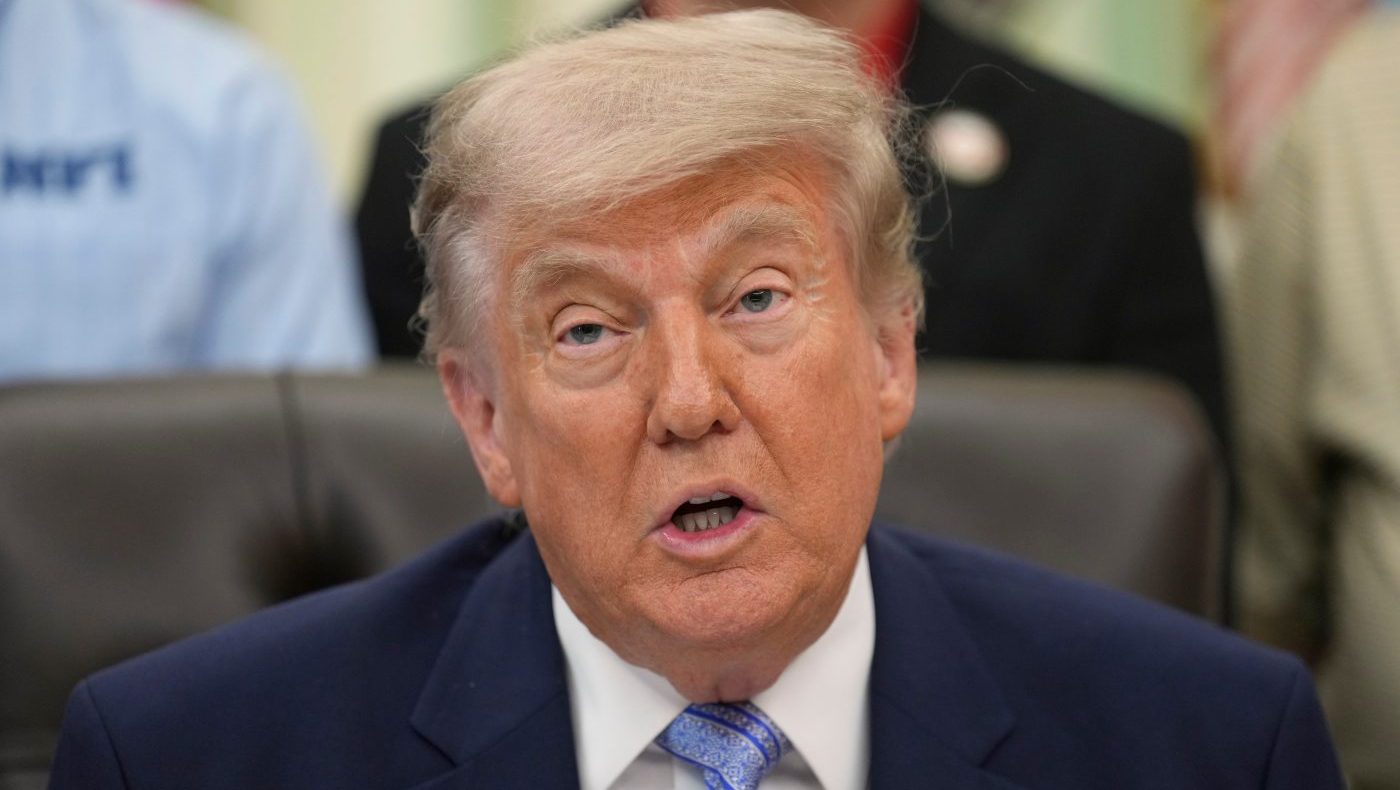
President Donald Trump declared Sunday that if his administration finalizes an agreement with Tehran, it will be a “good and proper one,” directly contrasting it with the 2015 nuclear pact negotiated by the Obama administration. The remarks come amid multiple reports that Washington and Iran are closing in on a deal to end hostilities following a ceasefire in early April.
In a post on his Truth Social platform, Trump wrote: “If I make a deal with Iran, it will be a good and proper one, not like the one made by Obama, which gave Iran massive amounts of CASH, and a clear and open path to a Nuclear Weapon.” He was referring to the Joint Comprehensive Plan of Action, under which Iran curbed its nuclear program in exchange for sanctions relief. Trump withdrew the U.S. from that accord in 2018.
The president added that his prospective deal “is the exact opposite” of the 2015 version, but cautioned that “nobody has seen it, or knows what it is. It isn’t even fully negotiated yet.” He dismissed critics as “losers” and insisted, “Unlike those before me who should have solved this problem many years ago, I don’t make bad deals!”
CBS News reported that under the emerging terms, the U.S. would lift its naval blockade on Iranian ports, while Iran would agree to dispose of its stockpiles of highly enriched uranium. A senior administration official also said Washington wants Iran to keep the Strait of Hormuz open and refrain from imposing tolls on vessels transiting the waterway. Tehran has restricted shipping through the strait since late February, when the U.S. and Israel launched strikes, sending U.S. gas prices above $4.50 per gallon, according to AAA.
The conflict has exacted a heavy human toll. The U.S.-based Human Rights Activists News Agency reported that the first 39 days of war before the ceasefire killed 1,701 civilians in Iran, including at least 254 children. Meanwhile, Iran’s Fars news agency, which is close to the Islamic Revolutionary Guard Corps, said the agreement would allow Iran to manage the Strait of Hormuz.
Senator Thom Tillis, a North Carolina Republican, voiced skepticism on CNN’s “State of the Union,” arguing that any deal with Iran that bypasses congressional ratification is “doomed to fail.” His comments echo growing unease among GOP hawks who have pushed Trump to abandon the talks. For more on that rift, see GOP Hawks Push Trump to Scrap Iran Deal as Ceasefire Nears.
In contrast, libertarian Senator Rand Paul of Kentucky defended the president’s diplomatic approach on social media, urging critics to give Trump “the space to find an American First solution.” Paul, who has previously voted to require congressional approval for the war, noted that “war virtually always ends with negotiations.” His stance highlights a divide within the Republican Party, as detailed in Rand Paul Defends Trump's Iran Deal Amid Growing GOP Backlash.
The White House has also faced internal friction over the deal’s terms, with some officials reportedly concerned about enforcement mechanisms. The broader context of the Hormuz crisis has forced the administration to weigh military options against diplomatic ones. For more on that strategic calculus, see Trump Weighs Military Action vs. Diplomacy as Hormuz Crisis Deepens.