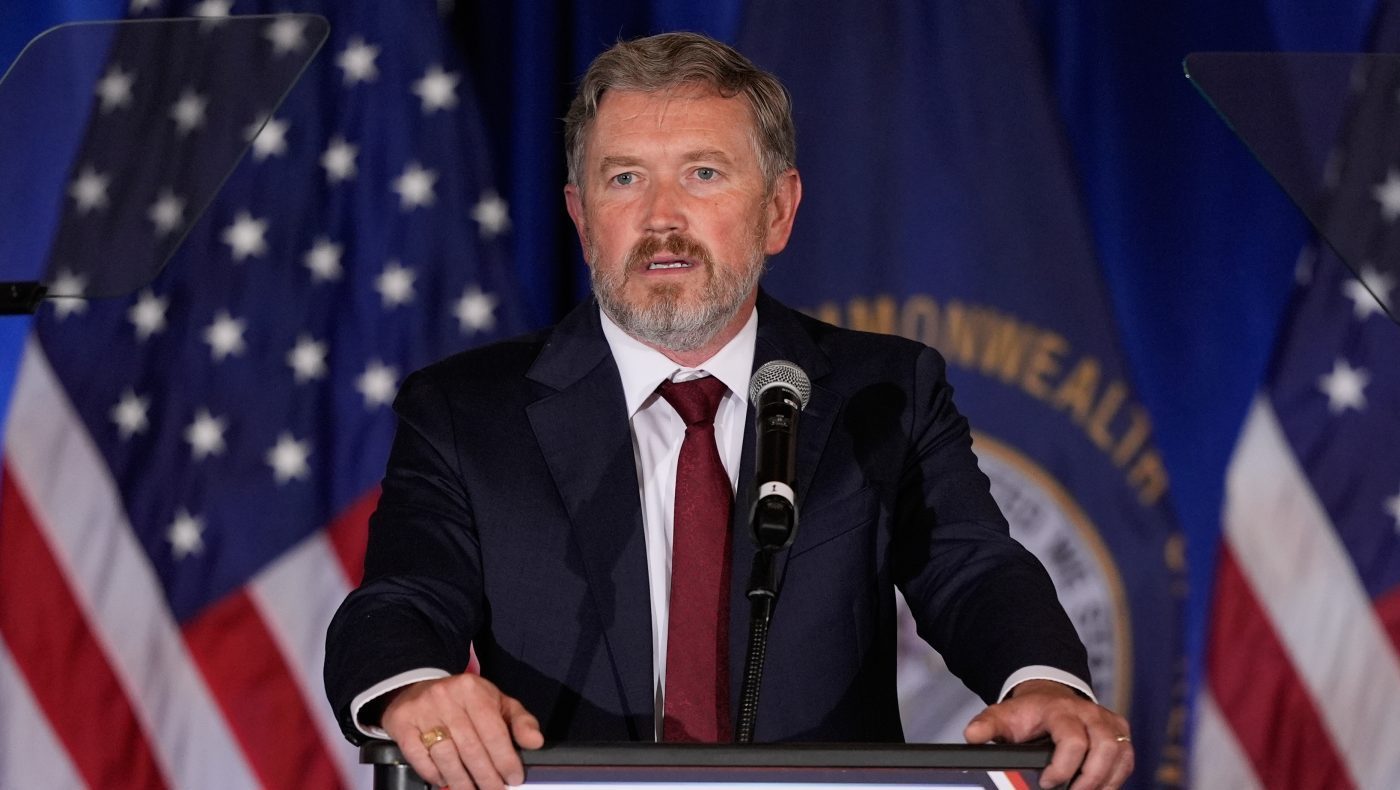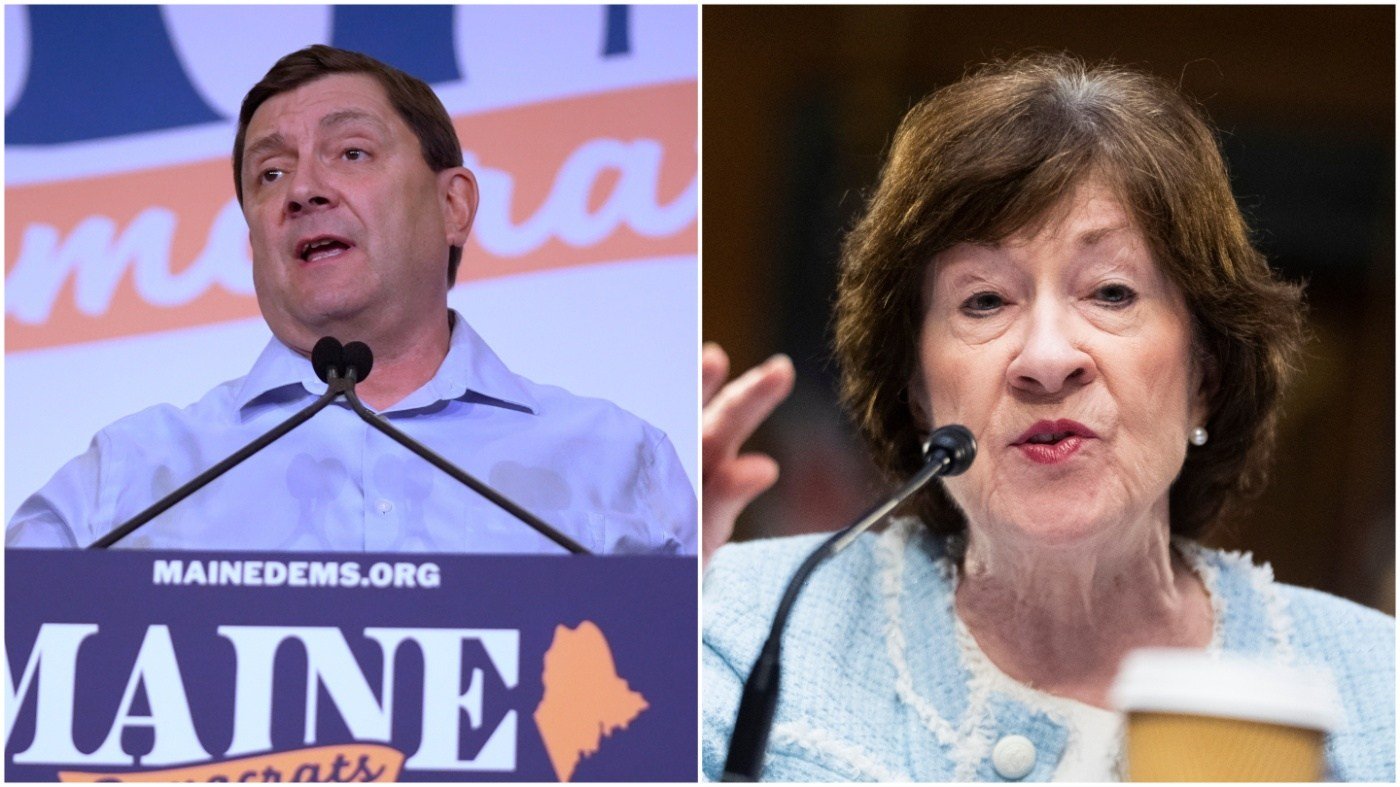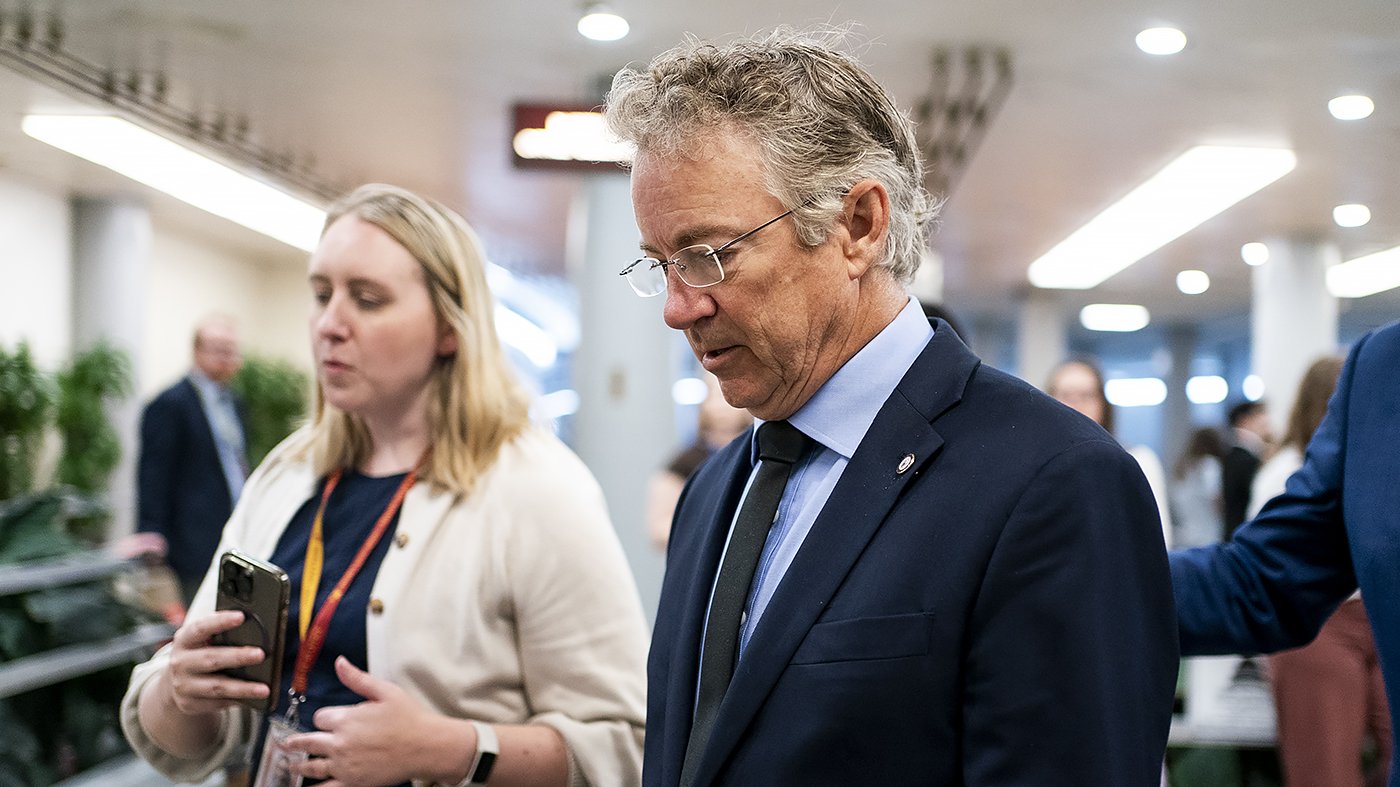
Sen. Rand Paul (R-Ky.) is stepping into the fray to defend President Donald Trump's emerging negotiations with Iran, pushing back against fellow Republicans who have voiced sharp criticism of the deal aimed at ending the prolonged conflict. In a post on X, Paul urged party members to give Trump room to operate, arguing that war virtually always ends with negotiations and that critics should allow an 'American First solution' to take shape.
Trump announced over the weekend that the U.S. is close to finalizing an agreement with Iran that would not only end the war but also reopen the strategically vital Strait of Hormuz. 'Final aspects and details of the Deal are currently being discussed, and will be announced shortly,' Trump wrote on Truth Social, adding that the strait's reopening is a key component. The announcement came amid rising global oil and gas prices due to the near-total closure of the waterway during the conflict.
However, the tentative deal has sparked a fierce backlash from GOP hawks, including Sen. Lindsey Graham (R-S.C.), a close Trump ally who warned that any agreement perceived as ceding dominance to Iran would be a strategic mistake. Graham argued that if the deal fails to neutralize Iran's ability to threaten Gulf oil infrastructure, Tehran would be seen as a dominant force requiring diplomatic appeasement. Senate Armed Services Committee Chairman Roger Wicker (R-Miss.) also pressed the administration to ensure the deal justifies the war's sacrifices.
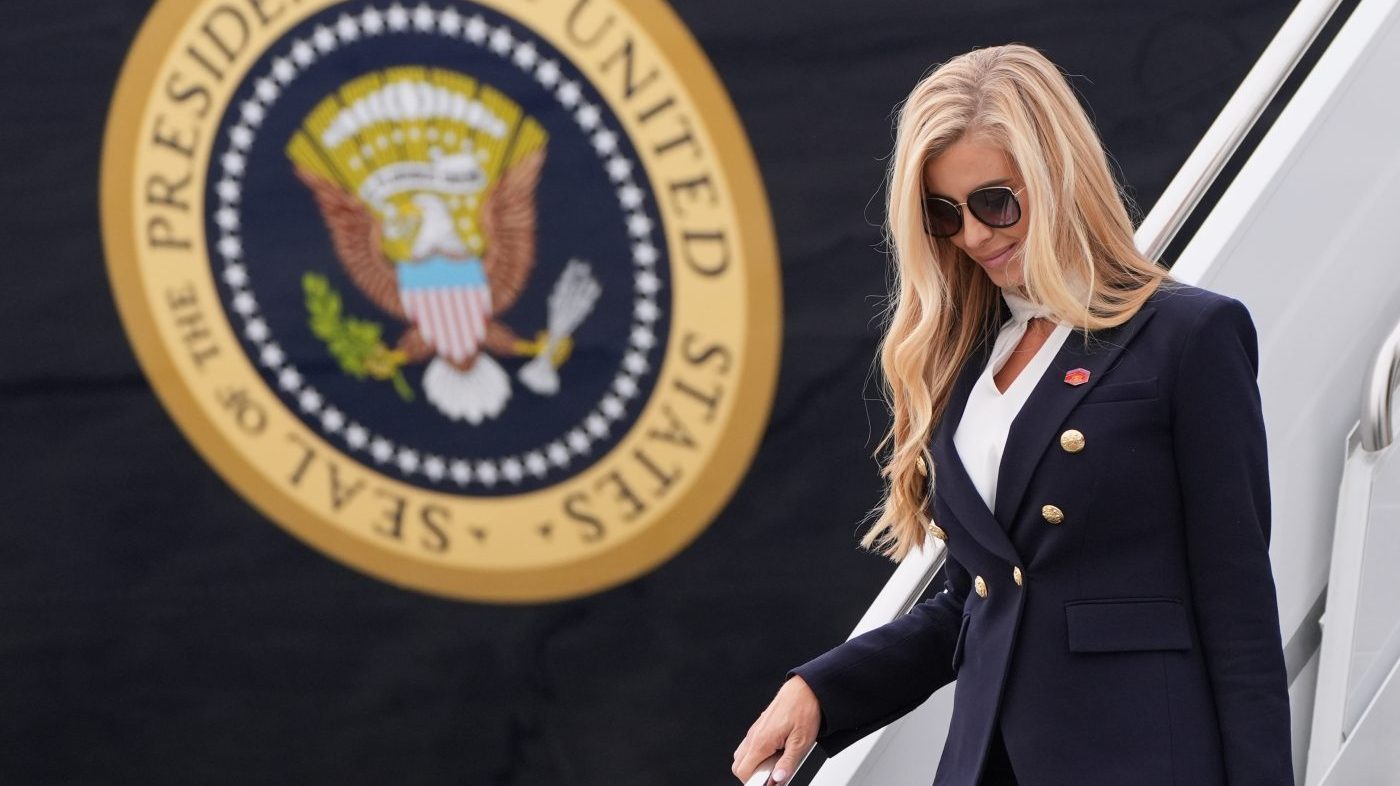
The White House has not taken the criticism quietly. Communications Director Stephen Cheung lashed out at former Secretary of State Mike Pompeo for his public doubts, telling him to 'shut his stupid mouth'—a sign of the administration's determination to push the deal through despite internal opposition. This internal rift echoes broader GOP divisions, with tensions already simmering over Trump's Iran deal and other policy moves.
Paul's stance is consistent with his long-held non-interventionist views. He has previously joined Democrats in supporting War Powers Resolution votes to curb Trump's military actions and has often broken with party hawks on foreign policy. His support for the peace talks puts him at odds with senators like Ted Cruz (R-Texas), who has also raised doubts about the negotiations. Cruz and Graham have consistently pushed for a more aggressive posture toward Iran, including potential military action.
Iran, meanwhile, has signaled that while talks are progressing, it will not surrender sovereignty over the Strait of Hormuz. The strait's closure has been a major driver of global energy price spikes, adding economic pressure on Trump to secure a deal. Yet a comprehensive agreement has remained elusive, with both sides holding firm on key demands.
This latest chapter in the Iran conflict underscores the deep ideological splits within the GOP over foreign policy, as Trump's 'America First' approach clashes with traditional hawkishness. The administration's push for a negotiated end to the war also comes amid other crises, including a White House security scare and ongoing debates over executive power. With the Strait of Hormuz at the center of global energy markets, the stakes could not be higher.