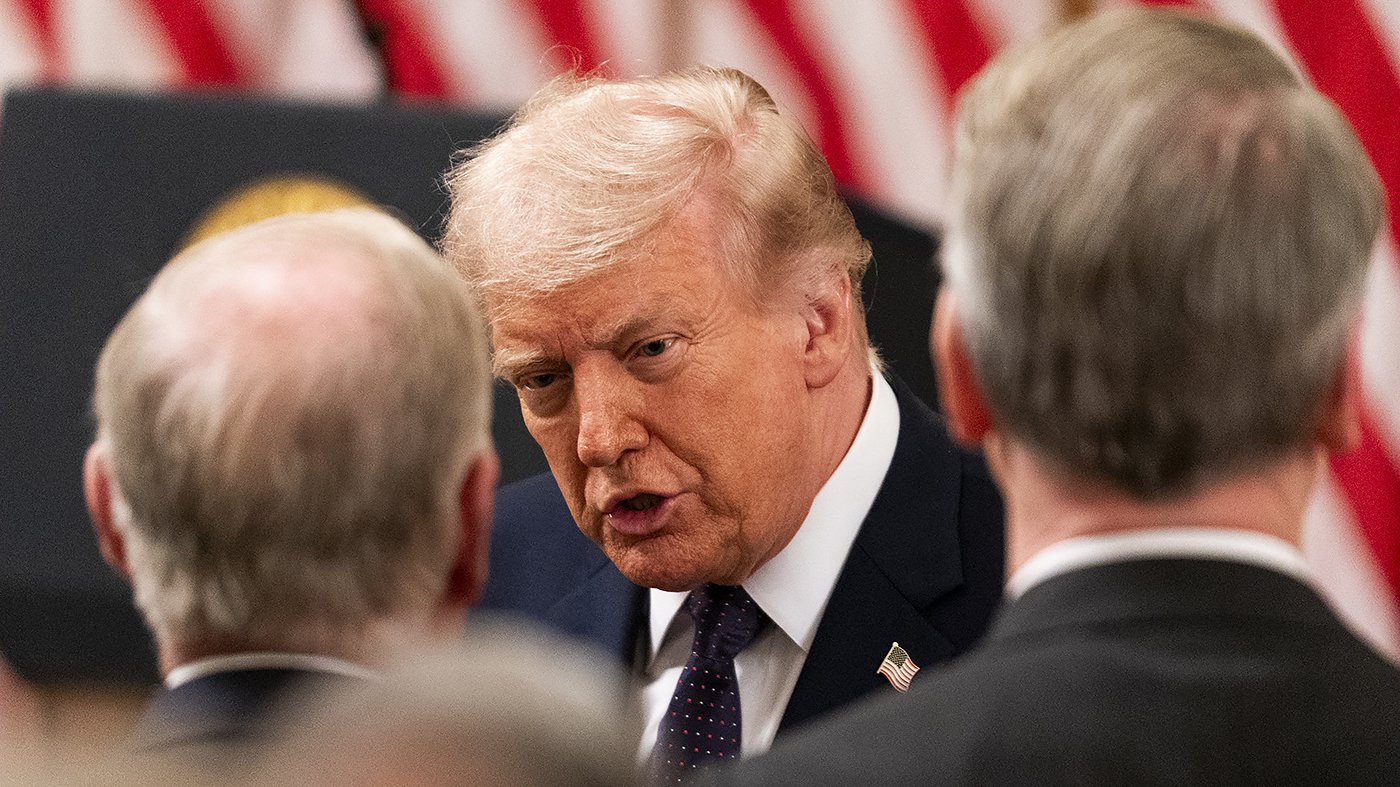
President Trump announced on Saturday that a deal with Iran to end the ongoing conflict is nearing completion, but the emerging framework is already facing sharp criticism from within his own party. Republicans and other conservative voices have expressed deep skepticism, arguing the agreement may not serve U.S. interests.
The deal is expected to dominate Sunday morning talk shows over the Memorial Day weekend, as lawmakers, strategists, and media figures scramble to dissect its terms. The White House has yet to release full details, but early reports suggest a ceasefire and limited sanctions relief in exchange for nuclear concessions.
This development comes amid a broader rift within the GOP over Trump's foreign policy approach. GOP hawks are pushing Trump to scrap the Iran deal, arguing it could embolden Tehran. The internal party battle mirrors tensions over other recent administration moves, including the controversial $1.8 billion fund that has drawn bipartisan criticism. Legal experts have slammed that fund as a sham, urging Congress to intervene.
Separately, the nation is grappling with a security incident at the White House. On Saturday evening, a man was shot and killed by the Secret Service after approaching the executive mansion and opening fire. Anthony Guglielmi, the Secret Service's chief of communications, said the individual, near 17th Street and Pennsylvania Avenue NW, "pulled a weapon from his bag and began firing" shortly after 6 p.m. EDT.
President Trump thanked the Secret Service on Sunday morning for their swift response, praising their professionalism. The incident has reignited debates about security protocols surrounding the president and the broader threat environment in Washington.
The combination of a contentious Iran deal and a White House security breach underscores the volatile political landscape. As Trump navigates these crises, his administration faces mounting pressure from both allies and adversaries. The Iran deal, in particular, could become a flashpoint in the ongoing struggle between diplomacy and military action. Trump is weighing military options against diplomatic solutions as the Hormuz crisis deepens.
Lawmakers from both parties are demanding transparency on the Iran agreement's specifics. Democrats, while generally supportive of diplomatic efforts, worry about concessions that could weaken U.S. leverage. Republicans, meanwhile, are split between those who back the president and those who view any deal with Iran as a strategic mistake.
The White House shooting adds another layer of complexity, drawing attention to the personal safety of the president and the effectiveness of security measures. The Secret Service has launched a full investigation into the incident, though no motive has been publicly identified.
As the Memorial Day weekend unfolds, these two stories are likely to dominate headlines and shape the political discourse. The Iran deal's fate remains uncertain, but the GOP's internal divisions are now on full display.