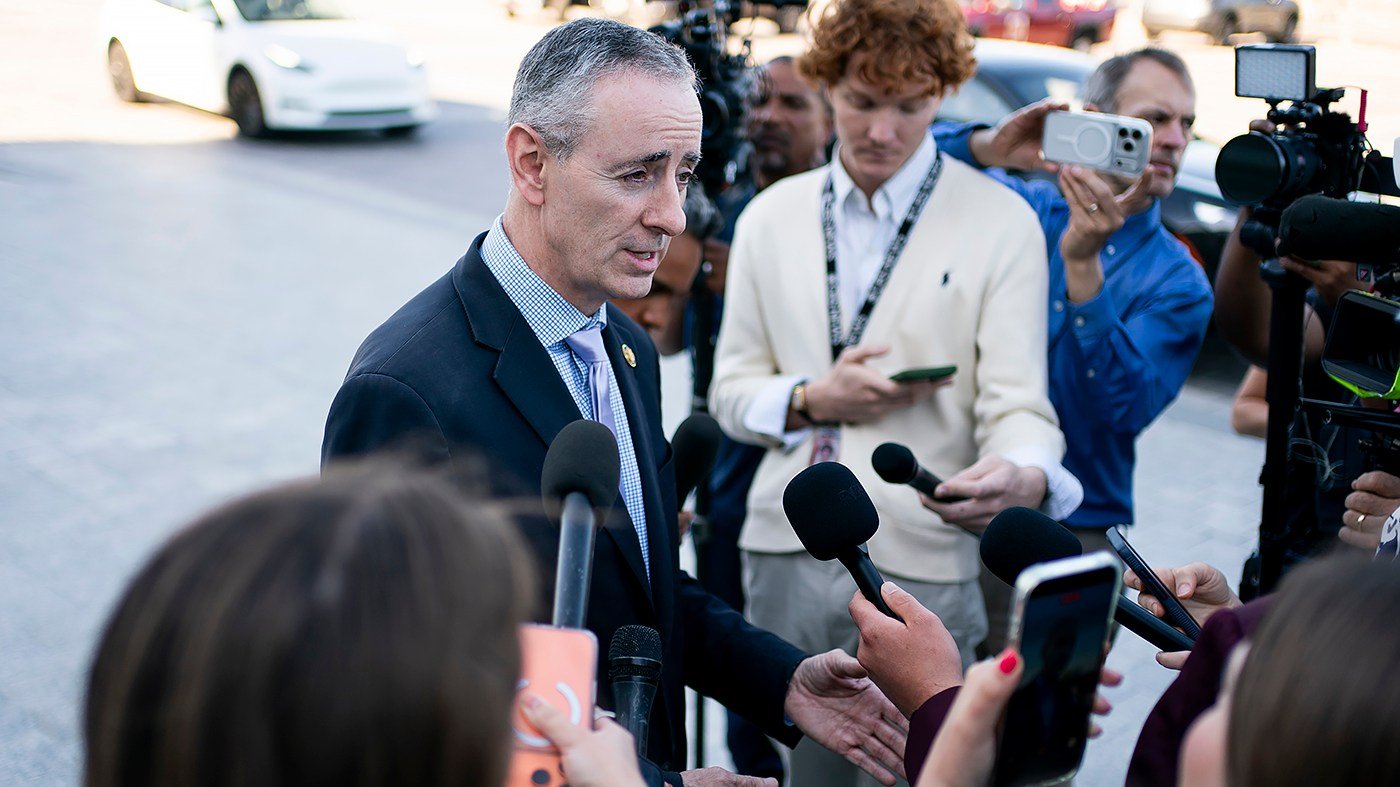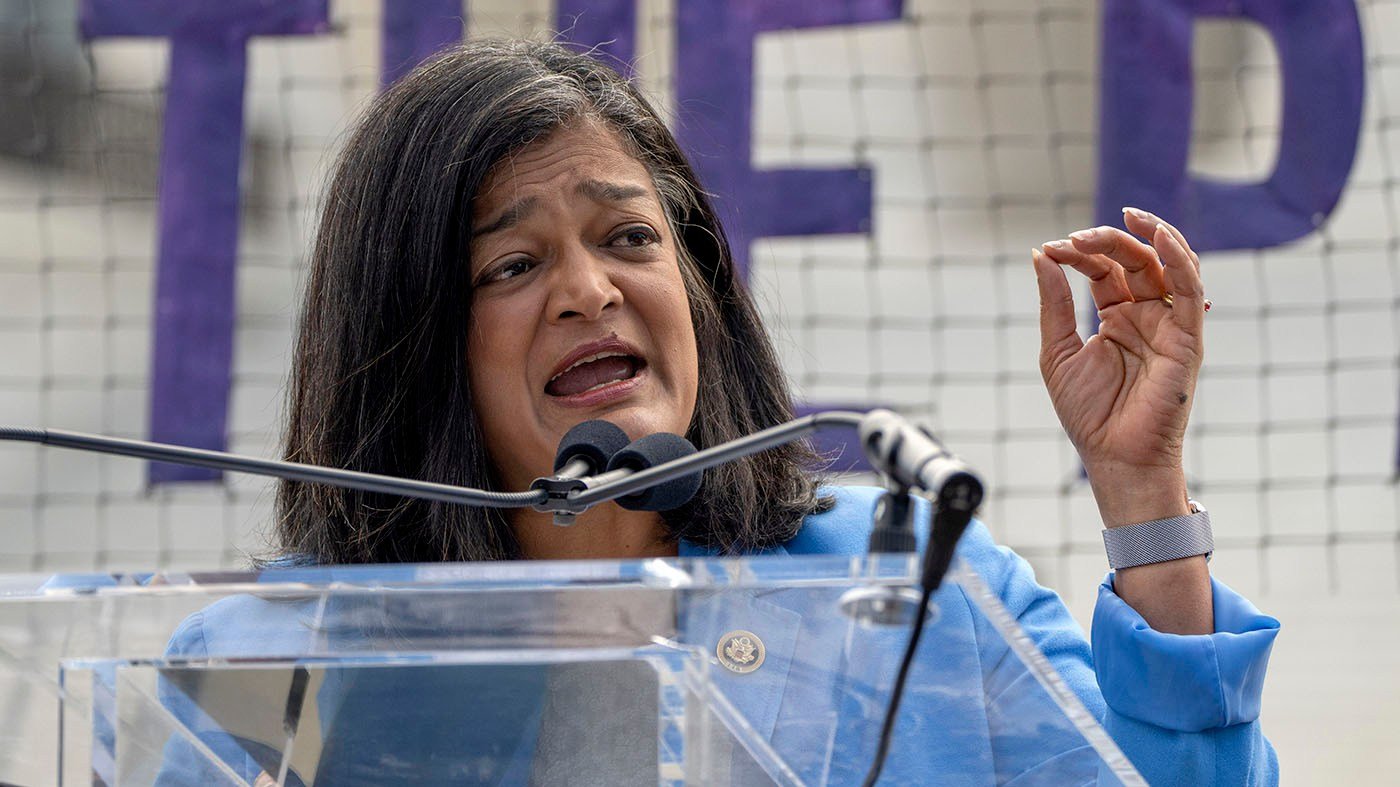
Republican hawks on Capitol Hill are making a late-stage push to convince President Trump to walk away from a potential peace agreement with Iran, as reports indicate the two sides are close to finalizing a deal. Trump has been consulting with Gulf and other regional leaders, reviewing Tehran's latest proposal to end hostilities.
Trump announced on Truth Social that an agreement is "largely negotiated" and will be "announced shortly," pending finalization between the U.S., Iran, and other involved nations. The deal is expected to include the reopening of the Strait of Hormuz, which Iran shut down in retaliation for U.S.-Israeli military strikes that began on February 28.
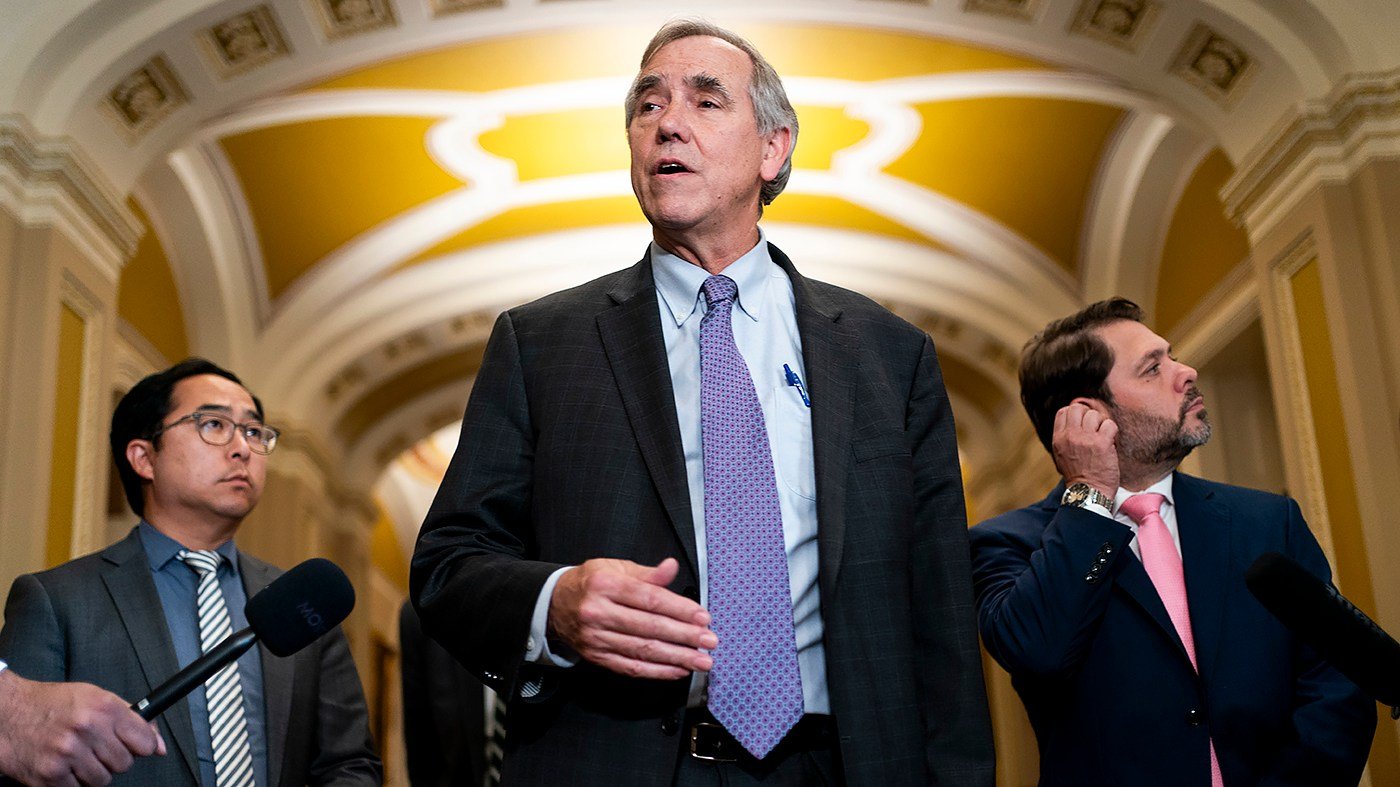
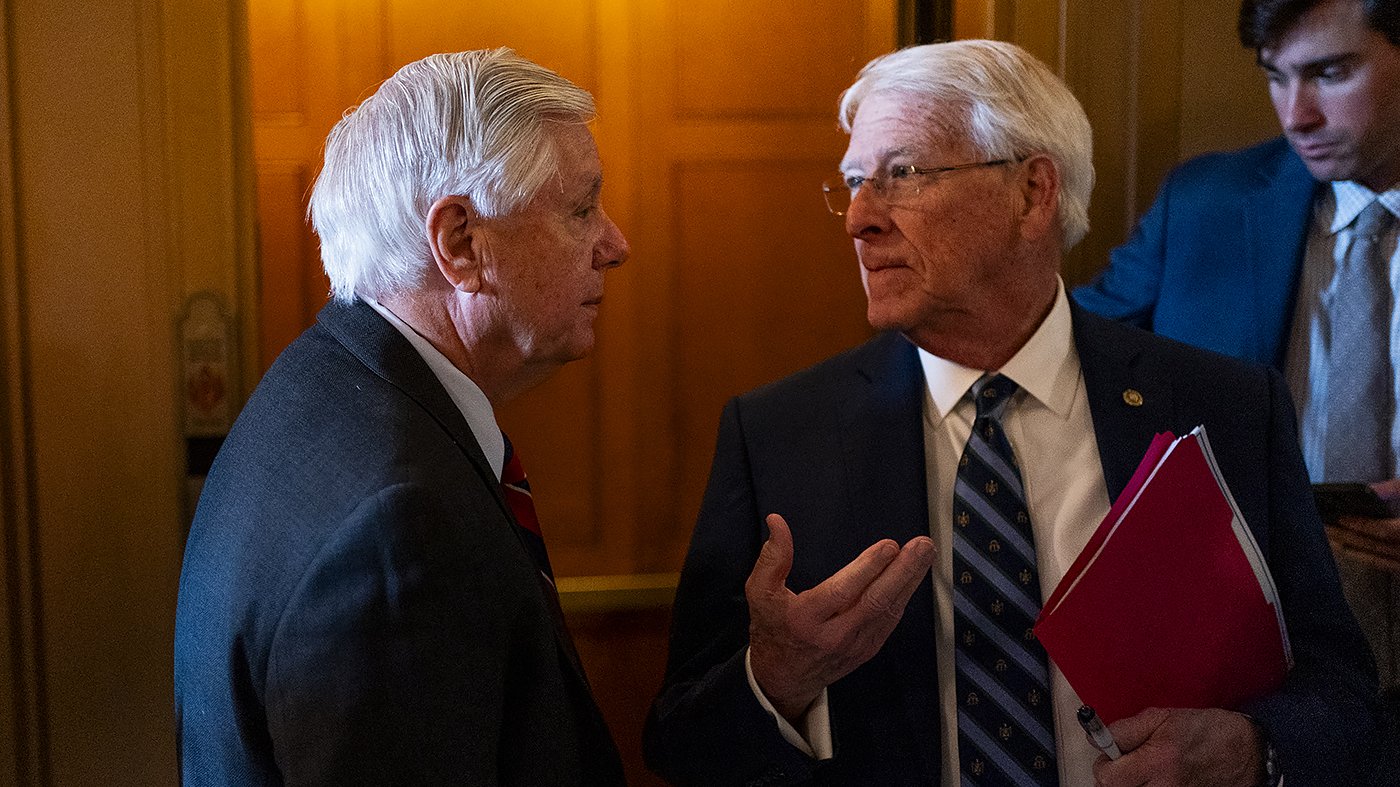
But several Republican senators warn that a ceasefire would effectively nullify the military campaign. Senator Roger Wicker (R-MS), the top Republican on the Armed Services Committee, called a rumored 60-day ceasefire a "disaster," arguing that Iran will not negotiate in good faith. He warned that the effects of the joint U.S.-Israeli operation, dubbed "Operation Epic Fury," would "be for naught." Wicker had previously told Trump he was "ill advised" to pursue diplomacy and should instead continue military operations, writing, "We must finish what we started."
Senator Lindsey Graham (R-SC), a long-time advocate for military action against Iran, argued that a premature deal could fundamentally shift the Middle East balance of power in Iran's favor. In a social media post, Graham said that if a deal is struck because the U.S. cannot protect the Strait of Hormuz from Iranian terrorism, "then Iran will be perceived as being a dominate force requiring a diplomatic solution." He added that such a perception would become a "nightmare for Israel" over time. Graham also expressed skepticism that Iran could be denied the ability to threaten global oil supply by again blocking the strait, writing, "It is important we get this right."
The pressure campaign from GOP war hawks comes as Trump faces mounting political and economic pressure to stabilize the region after months of global market turmoil tied to the war. Tensions are boiling over on Capitol Hill, with some Republicans dissenting from Trump over administration actions. Disagreements over a stalled budget reconciliation package have erupted, partly due to Trump's proposed $1.8 billion "anti-weaponization" fund that would compensate MAGA allies who felt unfairly prosecuted by the Biden-era Justice Department. A recent meeting with acting Attorney General Todd Blanche was described as "explosive" by Senator Ted Cruz (R-TX).
Trump's revenge campaign against GOP lawmakers who cross him—by backing primary opponents—could further complicate his legislative agenda for the rest of the year, Cruz noted. Meanwhile, the president is feeling pressure from multiple fronts to reopen the strait as Americans face four-year record high gas prices, averaging nearly $4.53 per gallon ahead of Memorial Day.
The gravity of the situation was underscored by Trump skipping his son Donald Trump Jr.'s wedding to Palm Beach socialite Bettina Anderson, citing vague excuses about government circumstances and telling reporters the timing was bad because of "a thing called Iran." Trump also discussed the proposed framework with Israeli Prime Minister Bibi Netanyahu in a phone call he described as going "very well."
As Trump weighs military action against diplomacy, the deepening crisis has echoes of other foreign policy challenges. The White House has not yet commented on the details of the potential deal.