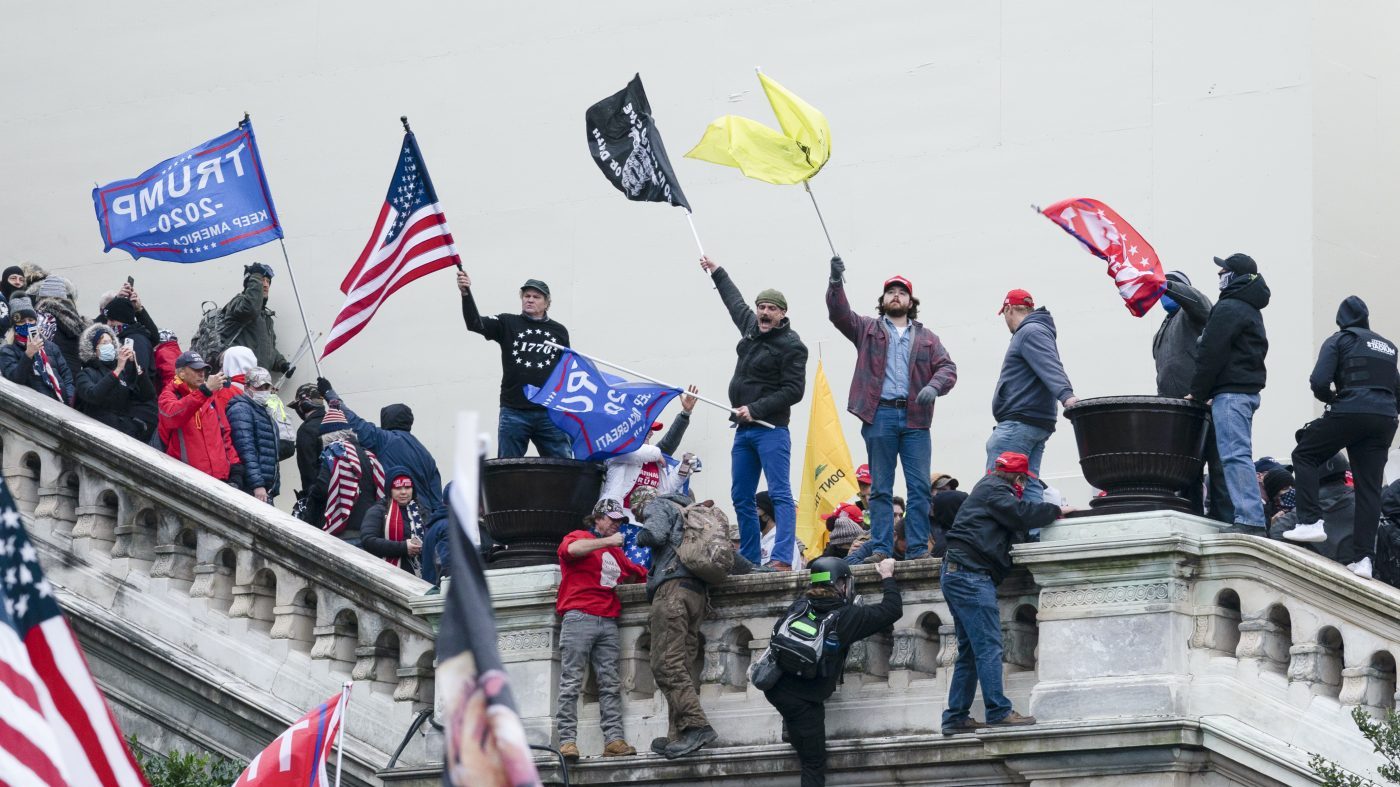
The Justice Department has quietly pulled press releases tied to the January 6, 2021, Capitol attack from its website, defending the deletions as part of an effort to eliminate what it calls 'partisan propaganda.' The move, confirmed by the department on social media, marks the latest step by the Trump administration to reshape the narrative of the riot that disrupted the certification of President Biden's 2020 election victory.
A Washington Post reporter first noticed the removals on Friday, including a release about a Texas man sentenced to prison for assaulting police officers with bear spray during the attack. The DOJ's rapid response team quickly pushed back against the suggestion that the deletions were done quietly, posting on X: 'Nothing “quiet” about it. We are proud to reverse the DOJ’s weaponization under the Biden administration. We will do everything in our power to make whole those who were persecuted for political purposes. This includes stripping DOJ’s website of partisan propaganda.'

The deletions come more than a year after President Trump pardoned nearly all January 6 defendants upon returning to the White House. Trump also commuted sentences for rioters convicted of violent offenses and fired dozens of prosecutors who handled those cases. The administration has since unveiled a nearly $1.8 billion 'anti-weaponization fund' to provide payouts to individuals who claim they were wrongfully prosecuted by the government. The fund originated from a settlement between Trump and the IRS over leaked tax returns.
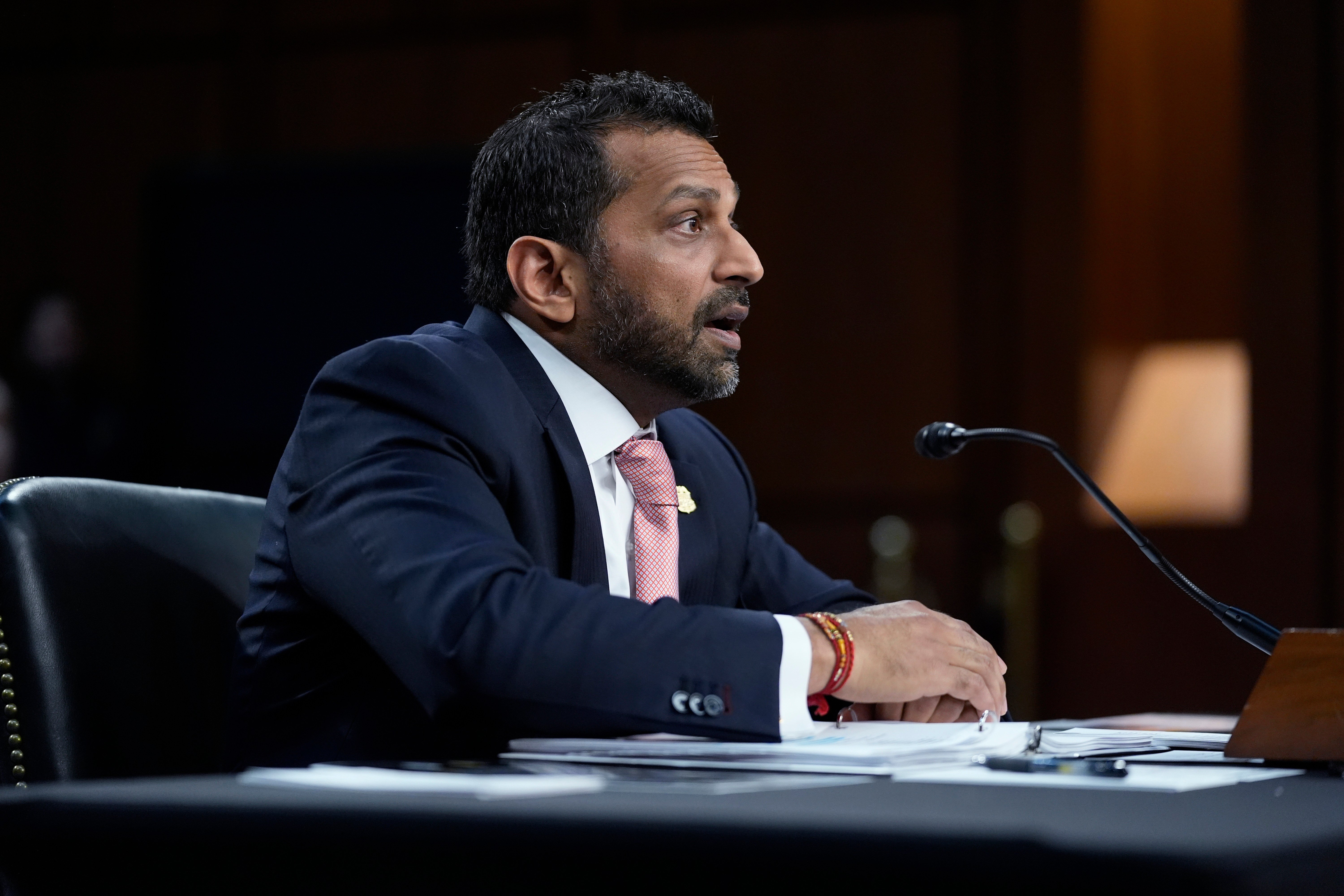
Acting Attorney General Todd Blanche has not ruled out January 6 defendants seeking compensation from the fund, a stance that has drawn sharp criticism from both parties. Senator Dick Durbin (D-IL) called the idea 'absurd and offensive,' while Representative Jamie Raskin (D-MD) introduced legislation to block the fund, which he argued Trump created to bankroll a 'private militia.'
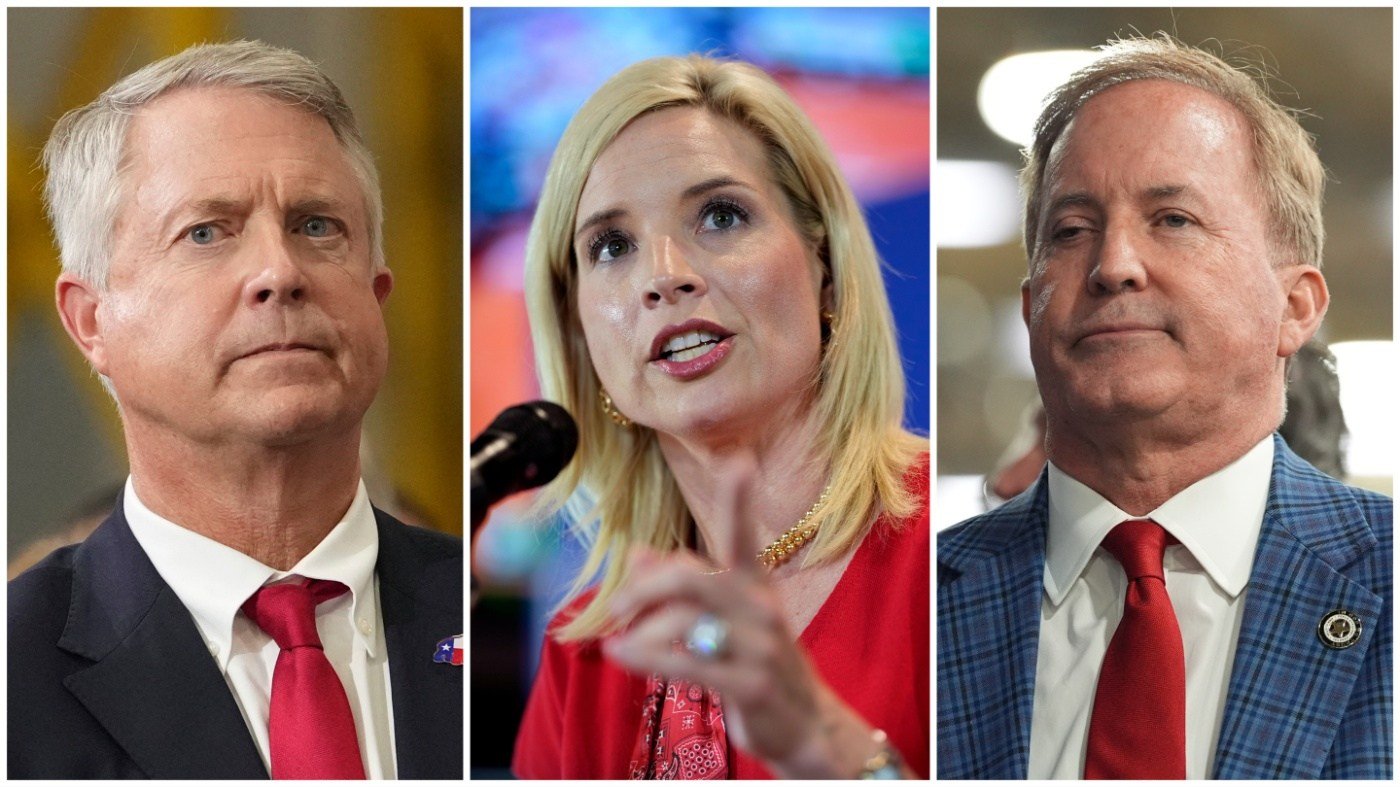
Republican lawmakers have also voiced strong opposition. Representative Brian Fitzpatrick (R-PA) vowed to 'kill' the fund and demanded more transparency from the administration. Senator Thom Tillis (R-NC), who is retiring, described the fund as 'bad policy, bad timing, and bad politics.' Senate Minority Leader Mitch McConnell (R-KY) labeled it a 'slush fund,' reflecting a growing rift within the GOP that threatens to derail the budget reconciliation bill. Some lawmakers have warned the bill won't move forward until their concerns are addressed.
Interest in the payouts has already emerged from notable figures, including MyPillow CEO Mike Lindell and former Trump campaign official Michael Caputo. The fund's structure and eligibility criteria remain unclear, but Blanche has defended it, arguing that 'people that hurt police get money all the time' in other contexts.
The DOJ's removal of press releases and the creation of the compensation fund underscore the administration's broader effort to rewrite the history of the January 6 attack. Critics argue these actions whitewash the violence and undermine accountability, while supporters see them as a necessary correction to what they view as a politically motivated prosecution campaign. The internal GOP divisions over the fund highlight the delicate balance Trump must strike as he pushes his agenda through a closely divided Congress.