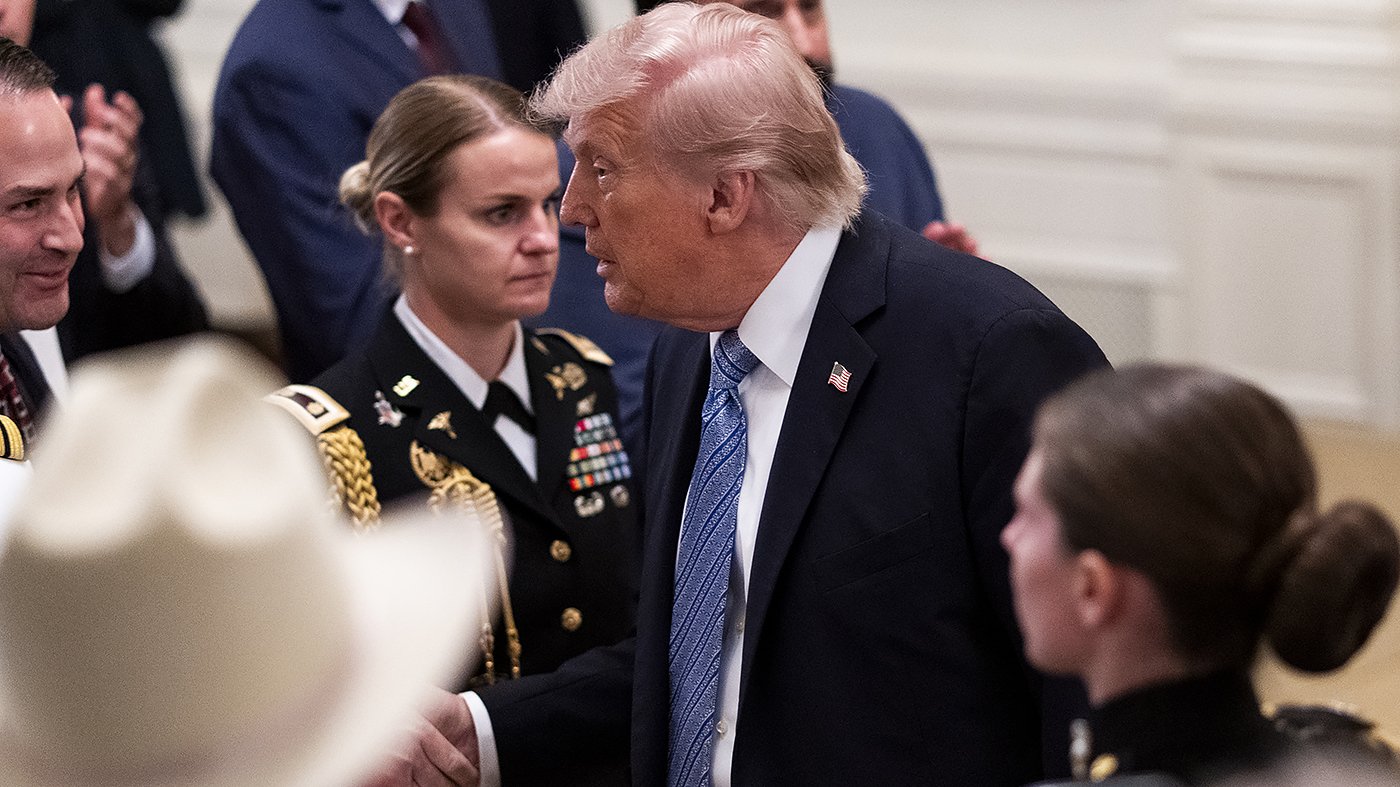
President Trump is heading into Memorial Day weekend with a pile of political problems—many of which, his own party members concede, are entirely avoidable. The latest flashpoint is a proposed $1.8 billion compensation fund, ostensibly designed to provide restitution for victims of what the administration calls the “weaponization” of the justice system. Critics, including some within the GOP, have labeled it a slush fund that could direct taxpayer money to Trump supporters, including those convicted for their roles in the January 6 Capitol attack.
The fund emerged from a settlement of Trump's own lawsuit against his administration, which sought $10 billion over a leak of his tax records. The deal's murky origins have sparked outrage. Senator Thom Tillis (R-N.C.) called the idea “stupid on stilts” on Thursday, and the next day took to social media to blast “stupid stuff” that he said was hurting the party’s chances in the upcoming midterms—specifically “using billions of taxpayer dollars to compensate convicted felons and thugs who attacked police.”
Senator Ted Cruz (R-Texas) described a Thursday meeting between skeptical GOP senators and acting Attorney General Todd Blanche as “one of the roughest meetings that I’ve seen in my entire time in the Senate. There were a lot of Republican senators who were just pissed.” The fund is just one of several self-inflicted distractions. Trump’s new White House ballroom and a proposed monument critics have dubbed the “Arc de Trump” have also drawn fire for appearing out of touch with voters’ concerns about the economy and inflation.
Veteran GOP pollster Whit Ayres told The World Signal that Trump faces “the greatest challenge of his time in office, in either his first or second term.” Ayres noted that Trump’s job approval has fallen so steeply that he has “broken through” what was once considered his floor. According to polling averages from The Hill’s Decision Desk HQ, Trump is now 20 points underwater—39% approve, 59% disapprove. “Donald Trump was elected to do four things: juice the economy, bring down inflation, stop illegal immigration and get away from ‘woke’ culture,” Ayres said. “He has done pretty well on the third and fourth, but public opinion on the economy and inflation is horrible. Seventy percent of Americans disapprove of his handling of inflation. That is getting down into Jimmy Carter territory.”
Meanwhile, the war in Iran remains unresolved. Two key issues—freedom of navigation through the Strait of Hormuz and the fate of Iran’s highly enriched uranium stockpile—are still in play. The New York Times reported Friday that Iran has been in talks with Oman about charging tolls for vessels transiting the strait, a scheme the U.S. officially opposes, though Trump himself once floated a revenue-sharing idea. The stalemate keeps gas prices elevated: the national average hit $4.55 a gallon on Friday, compared with just under $3 before the war began. Reuters reported Thursday that Iran’s Supreme Leader Mojtaba Khamenei has ordered that the country’s uranium not leave its borders, effectively blocking any compromise that would place the material under third-party control.
Brendan Steinhauser, a Texas-based GOP strategist, expressed sympathy for the pre-war argument that Iran posed an unusually toxic threat, but noted the economic fallout is a political liability. “Overall, he made the decision to bomb the Iranians with the Israelis, and it has led to cascading effects,” Steinhauser said. Some in the GOP complain the war has abandoned Trump’s “America First” isolationist platform, while others, like Senator Roger Wicker (R-Miss.), demand an even harder line. Wicker wrote on social media that any proposed deal “risks a perception of weakness” and insisted, “We must finish what we started.”
Trump continues to defend the war as necessary to prevent Iran from obtaining a nuclear weapon and insists gas prices will drop quickly once the conflict ends. He often touts the economy as the reason the U.S. is the “hottest” nation in the world. But voters aren’t buying it: an Economist/YouGov poll this week found only 22% of Americans rate the economy as “excellent” or “good,” while 75% call it “poor” or “fair.”
Adding to the turmoil, speculation is building that the Trump administration may soon move against Cuba’s leadership, a step that could further stoke domestic and international controversy. With GOP lawmakers openly fretting about the party’s midterm prospects—and Trump’s approval in freefall—the president’s Memorial Day weekend arrives under a cloud of his own making.