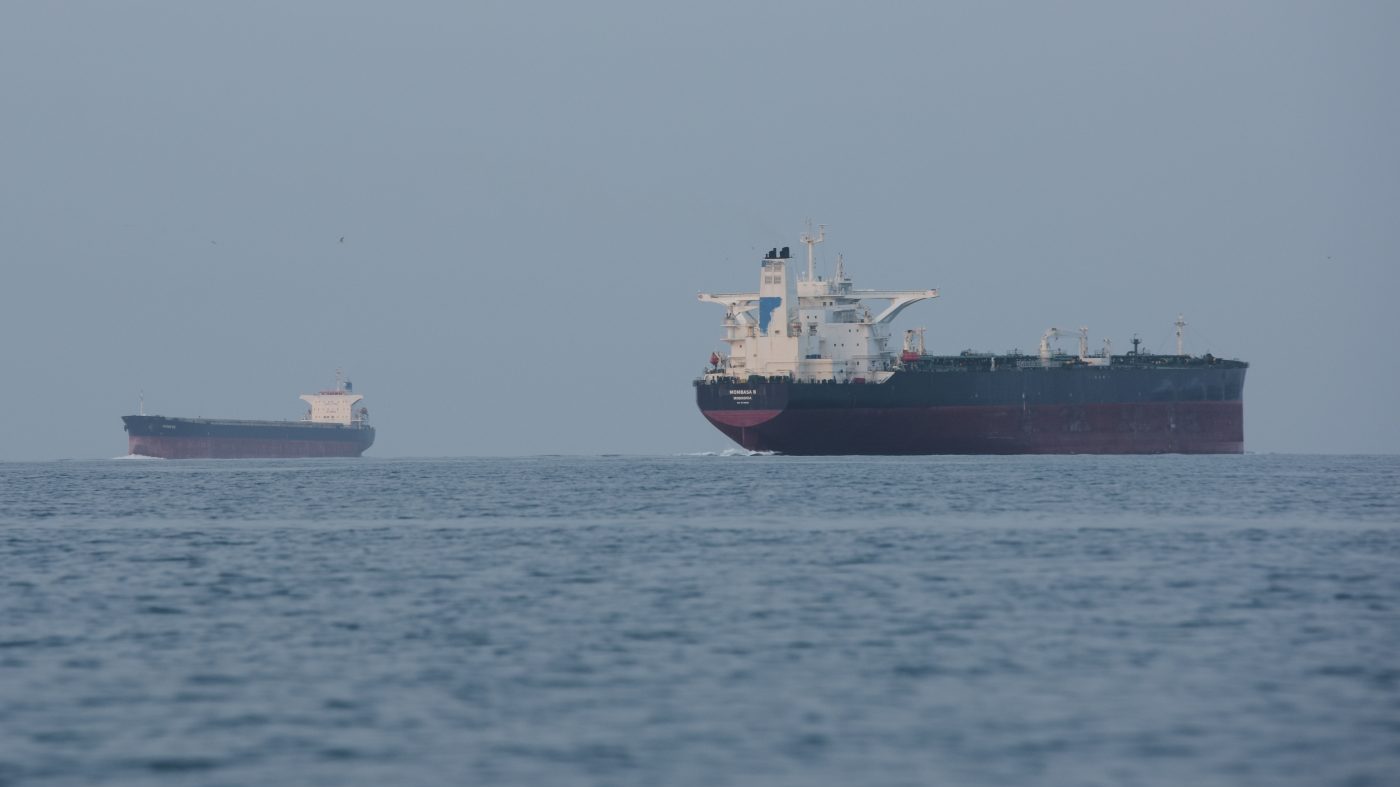
U.S. Central Command announced Saturday that it has diverted more than 100 commercial vessels as part of the ongoing naval blockade targeting Iranian ports in the Strait of Hormuz, describing the achievement as a milestone amid sustained regional tensions.
The operation, initiated in April under President Trump's orders, has involved over 15,000 U.S. troops who have turned back 100 ships, disabled four, and allowed 26 humanitarian aid vessels to pass through the critical waterway, according to military officials.
Centcom Commander Adm. Brad Cooper praised the efforts, stating, "Our service members are doing extraordinary work. They have been highly effective by executing the mission with precision and professionalism, allowing zero trade into and out of Iranian ports which has squeezed Iran economically."
More than 200 aircraft and warships have supported the blockade, which applies to vessels of all nations entering or leaving Iranian ports and coastal areas, including the Arabian Gulf and Gulf of Oman. The Strait of Hormuz, through which nearly a fifth of the global oil supply flows, has become the focal point after Iranian officials blocked the waterway and threatened tolls, causing energy prices to spike.
As the standoff persists, scrutiny over the financial and strategic costs of the conflict has grown, with both nations navigating a fragile ceasefire. Trump recently agreed to pause fresh strikes at the request of Gulf allies and shelved the Pentagon's Project Freedom initiative, but insisted the naval blockade would remain in place.
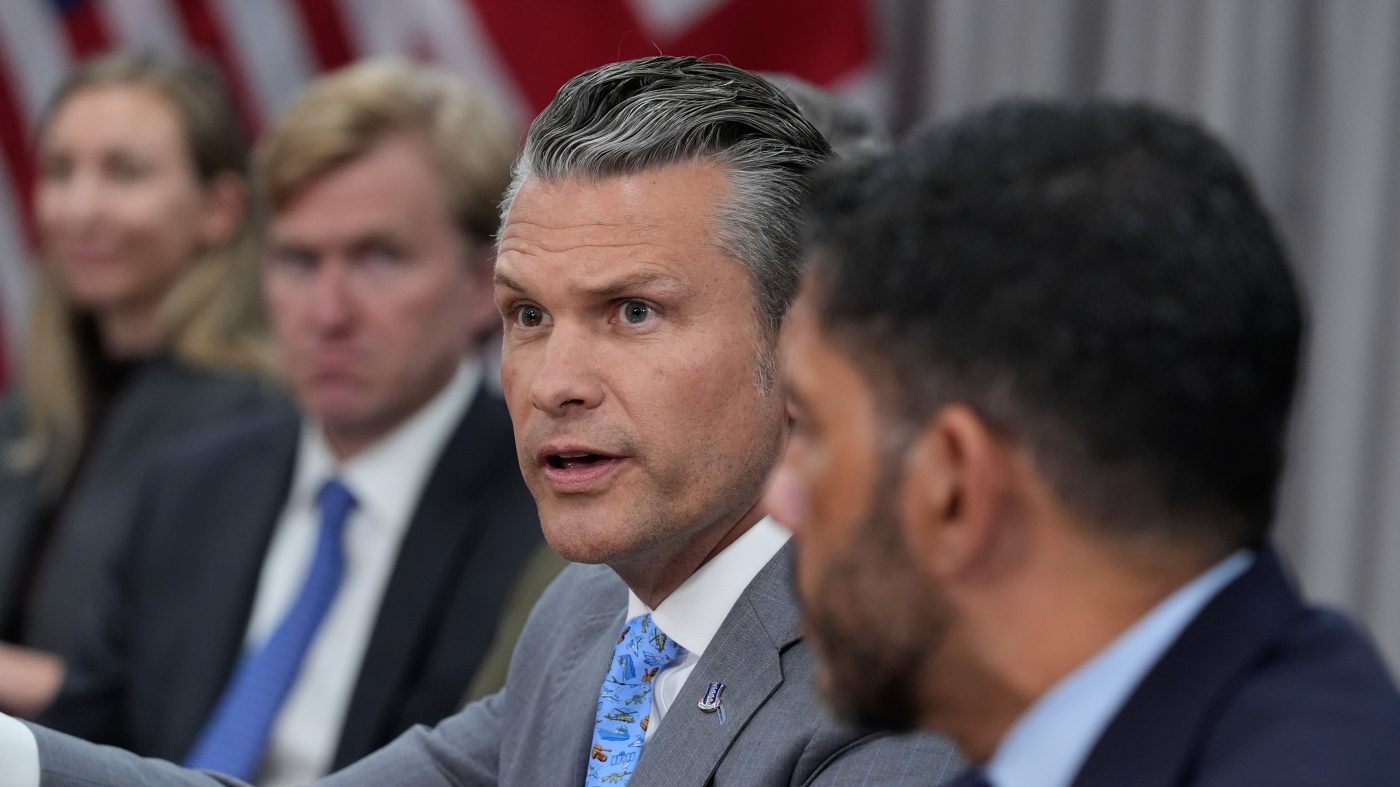
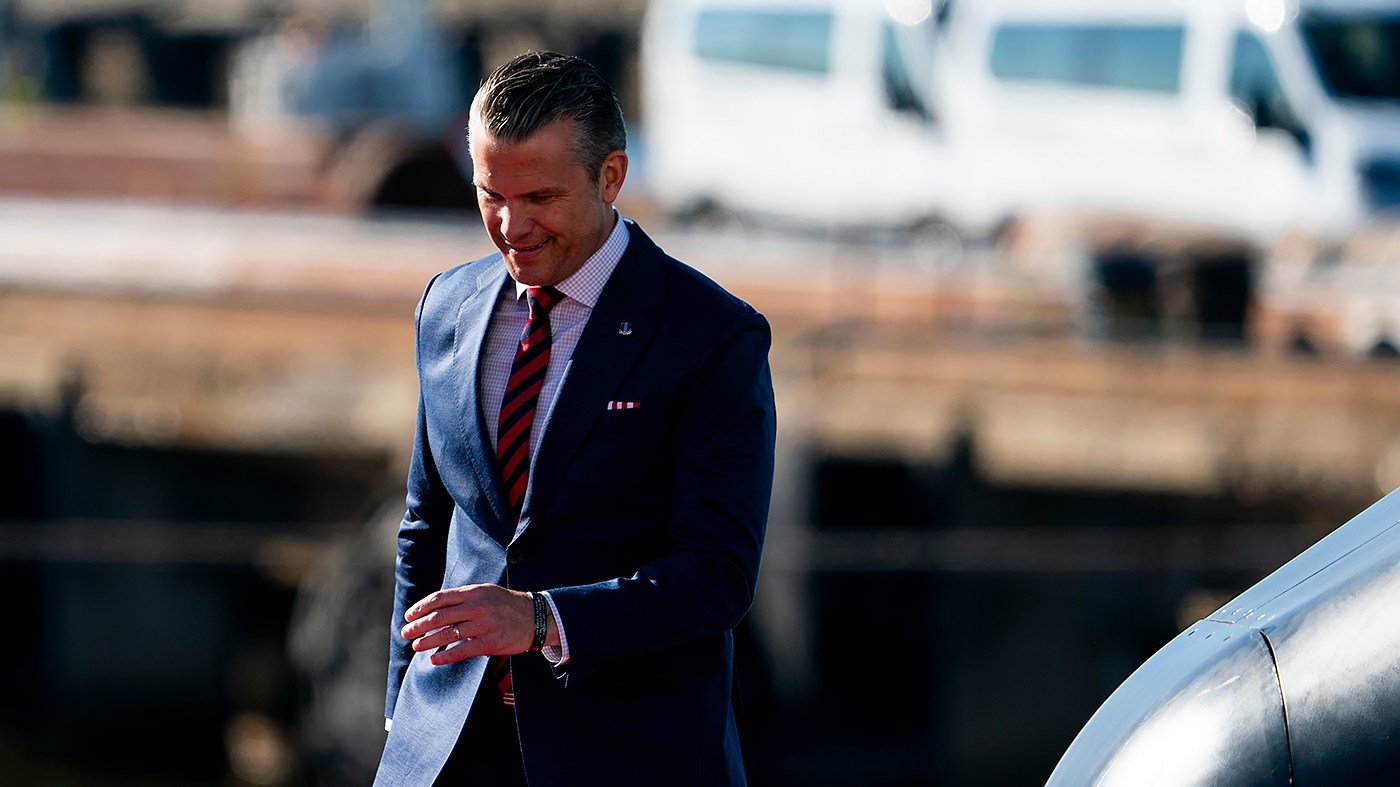
The Defense Department estimated in early May that the blockade has cost Iran approximately $4.8 billion in oil revenue. Meanwhile, Defense Secretary Pete Hegseth faced tough questioning in the House and Senate about the Iran war and spending priorities, with lawmakers from both parties pressing for clarity on U.S. strategy in the Strait of Hormuz, but receiving few answers.
Efforts to block the administration's military operations under the War Powers Act have failed, with the White House arguing that the temporary truce negates the 60-day deadline for congressional approval. U.S.-Iran talks have largely stalled as both sides reject each other's demands, including ending hostilities and halting Iran's nuclear program.
Analysts warn that the blockade's impact on global energy markets could worsen, with some predicting a spike in gas prices if no deal is reached. The situation remains a key test for U.S. foreign policy in the region.