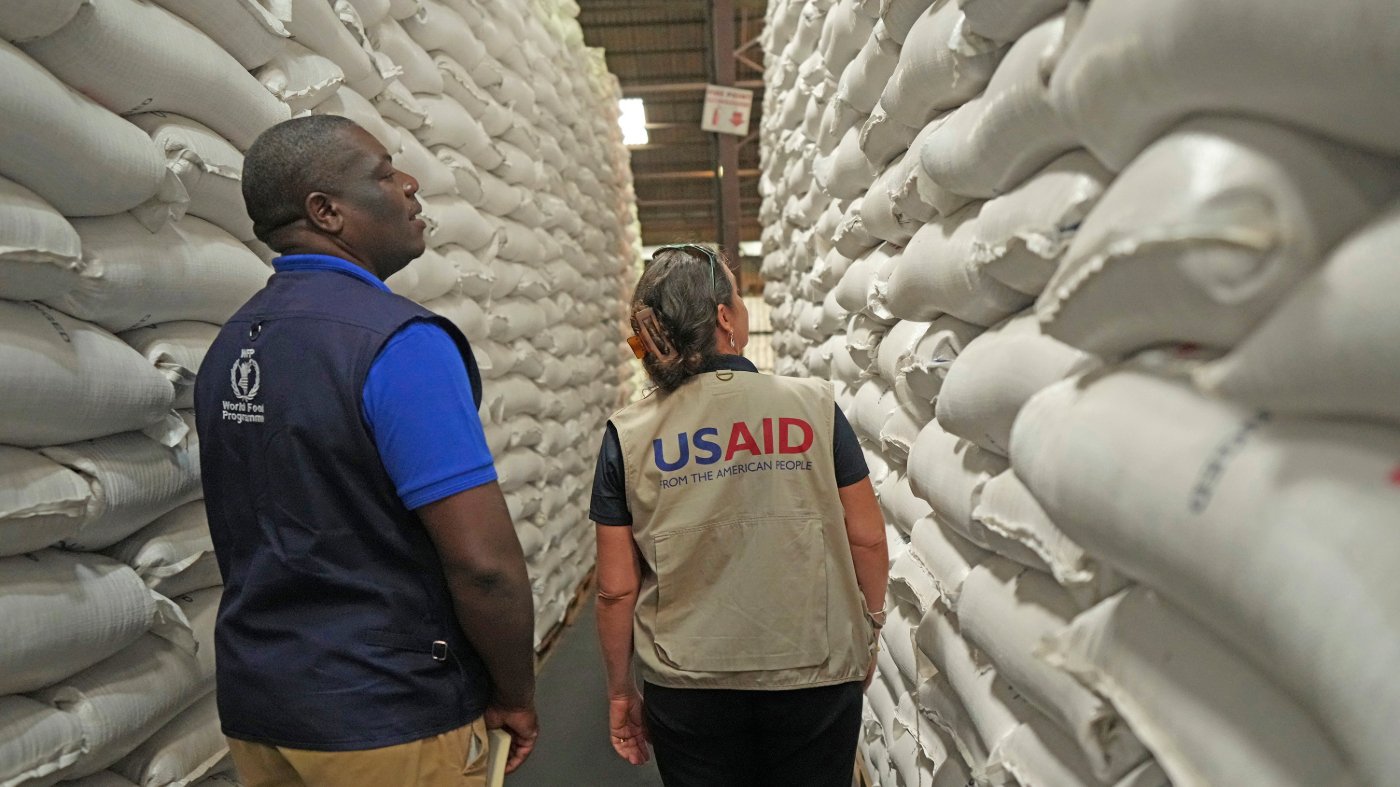
For nearly 250 years, providing food to the world’s hungry has been a defining feature of American identity. From the earliest debates about national obligations to the modern bipartisan consensus, food aid has been seen as both a moral imperative and a strategic investment. As the nation approaches its semiquincentennial, lawmakers from both parties continue to champion this legacy—not out of charity alone, but because it consistently advances U.S. economic and security interests.
After World War II, the U.S. launched its first permanent food aid program, Food for Peace, and embedded agricultural development into the Marshall Plan’s recovery efforts. More recently, bipartisan cooperation between Sens. Bob Dole (R-Kan.) and George McGovern (D-S.D.) exported the American school meals model globally through the McGovern-Dole Food for Education Program. These initiatives reflect a core belief: American strength grows when leadership is paired with principle.
Yet a new narrative suggests the U.S. must choose between promoting trade or providing aid. This false dichotomy implies that humanitarian leadership is a relic of a bygone era—an unaffordable luxury. But trade cannot thrive when basic human needs go unmet. Decades of strategic U.S. investments in food security, health, and education have pulled millions out of poverty and created some of America’s most reliable trading partners. That outcome is no accident; it is the result of deliberate policy.
The costs of retreating from international assistance—especially food aid—would be immediate and enduring. In the short term, hunger breeds conflict and instability, often requiring costly military interventions. The successes of famine prevention rarely make headlines, but they are visible in the wars that never happen. In the long term, adversaries would fill the vacuum left by American withdrawal, forging alliances that undermine U.S. values and interests. The quiet erosion of future trading partners and allies would go unnoticed until it is too late.
The most powerful tools of American influence are often the quietest. International food aid programs are not relics; they remain clear expressions of leadership through generosity. As the U.S. looks to the next 250 years, it must recognize that aid and trade—like strength and compassion—are not in competition but are inextricably linked. Doing both is the path to a safer, stronger, and more prosperous world.
Christine Todd Whitman is a board member at World Food Program USA and former governor of New Jersey.