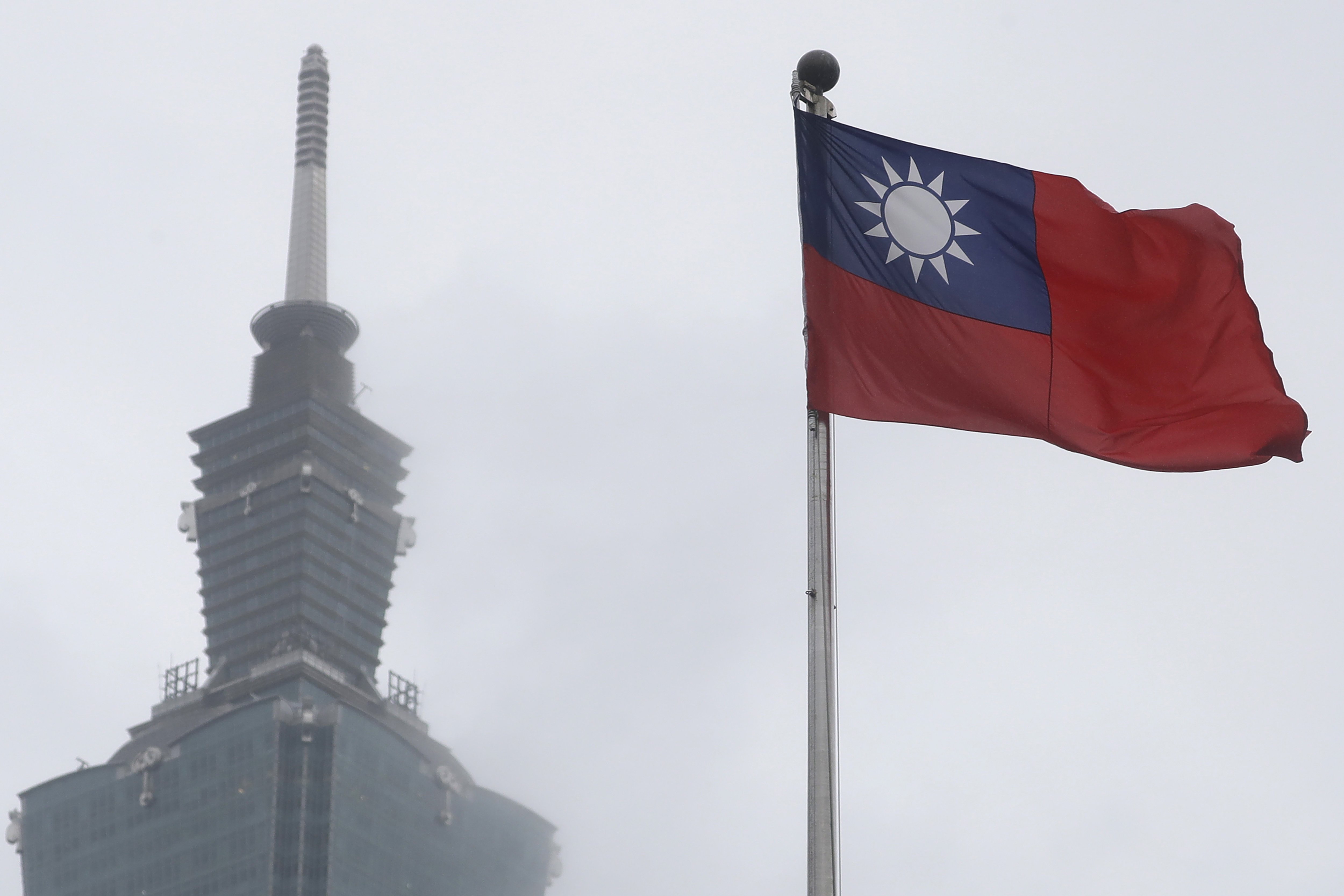
Taipei officials said Friday they have received no formal word from Washington about any suspension of a planned $14 billion arms package, even as the acting U.S. Navy secretary cited a pause in some foreign military sales linked to the ongoing war in Iran.
Speaking to reporters in the Taiwanese capital, presidential spokesperson Karen Kuo acknowledged that local media have reported on a possible hold, but stressed that "currently there is no information regarding any adjustments the U.S. will make to this arms sale."
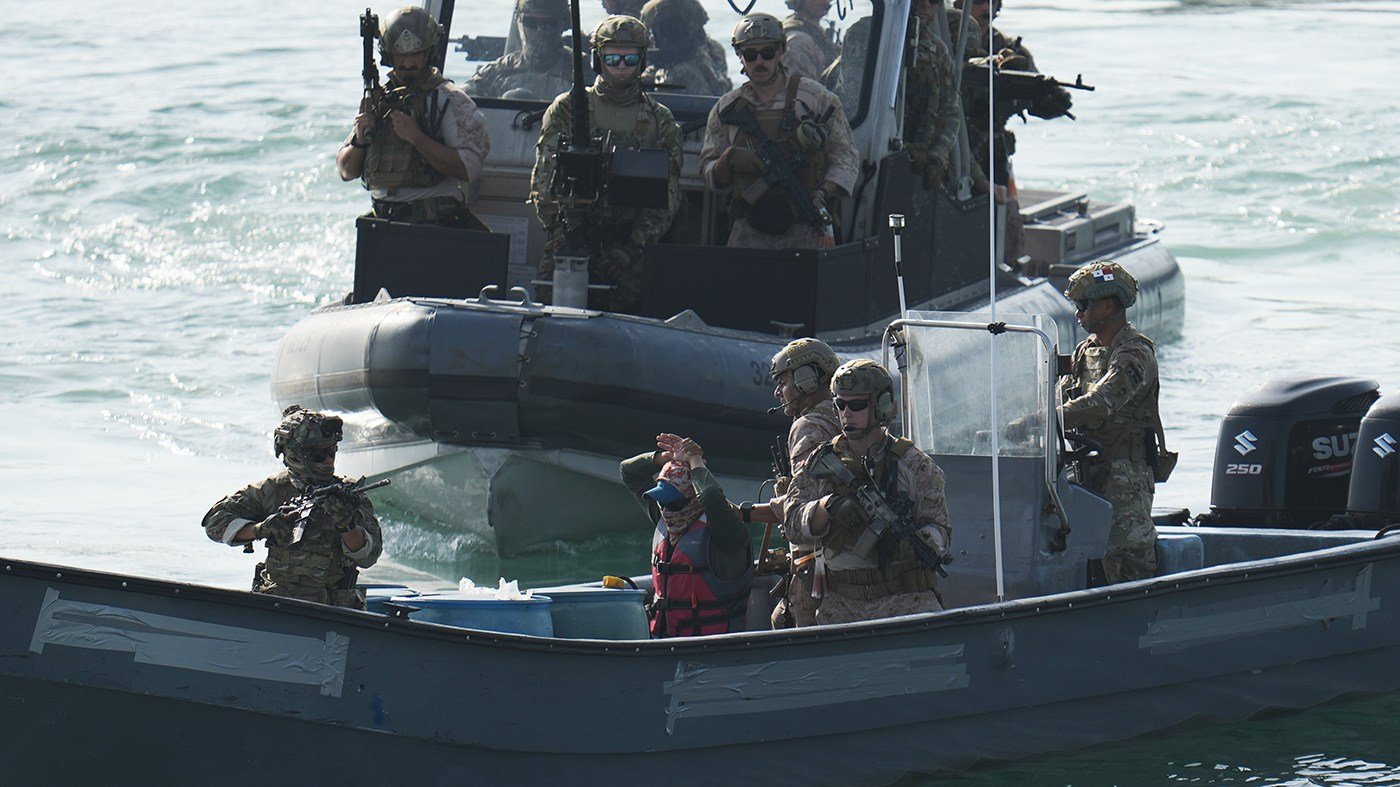
The uncertainty follows remarks Thursday by acting Navy Secretary Hung Cao, who told a Senate appropriations panel that the military is "doing a pause in order to make sure we have the munitions we need for Epic Fury — which we have plenty." Cao added that the foreign military sales "will continue when the administration deems necessary," with Defense Secretary Pete Hegseth and Secretary of State Marco Rubio making the call.
Those comments appeared to conflict with President Trump's own signals earlier this week. Trump suggested he might delay the Taiwan arms deal as a "negotiating chip" with Beijing, a position that has drawn bipartisan concern over the administration's commitment to the island's defense. Critics argue that using arms sales as leverage undermines deterrence and sends mixed signals to both Taipei and Beijing.
China, which views Taiwan as a renegade province, has repeatedly threatened to use force to bring the island under its control. The United States does not formally recognize Taiwan as a sovereign state but has long provided weaponry to help it maintain self-defense capabilities under the Taiwan Relations Act.
The $14 billion package was approved in January, but it cannot proceed until Trump formally submits it to Congress. Separately, an $11 billion weapons deal authorized in December has also not moved forward, leaving two major sales in limbo.
The pause comes as U.S. forces have reportedly expended thousands of missiles since the Iran war began on February 28. Administration officials insist munitions stockpiles remain adequate and accuse the press and lawmakers of exaggerating the strain. However, the temporary halt on some foreign sales suggests the Pentagon is reassessing inventory levels.
Trump's wavering stance on Taiwan has fueled debate among allies and adversaries alike. Some analysts see the pause as part of a broader pattern of transactional diplomacy, while others argue it risks emboldening Beijing. The president's recent praise for Chinese President Xi Jinping during their Beijing summit, where he sidestepped Taiwan and detainee issues, has only deepened concerns about strategic retreat.
For now, Taipei is left waiting for clarity. The lack of official notification from Washington leaves Taiwan's government in a precarious position, as it balances its defense needs with the shifting priorities of its most critical security partner.