The Trump administration rolled out a policy Friday that would compel legal immigrants already living and working in the United States to return to their home countries to apply for green cards. The move effectively shuts down the most widely used pathway for legal immigration, known as adjustment of status.
U.S. Citizenship and Immigration Services framed the directive as a return to the law's original intent. Spokesperson Zach Kahler said the policy ensures that aliens navigate the system properly and reduces incentives for those denied residency to disappear into the shadows. But immigration advocates see it as a deliberate disruption targeting people who have followed the rules for years.
Under the new rule, a student visa holder or a work-permit recipient seeking permanent residency—or even someone who marries a U.S. citizen—must leave the country and apply from abroad. The State Department has also halted immigrant visa processing in 75 countries, compounding the bottleneck.
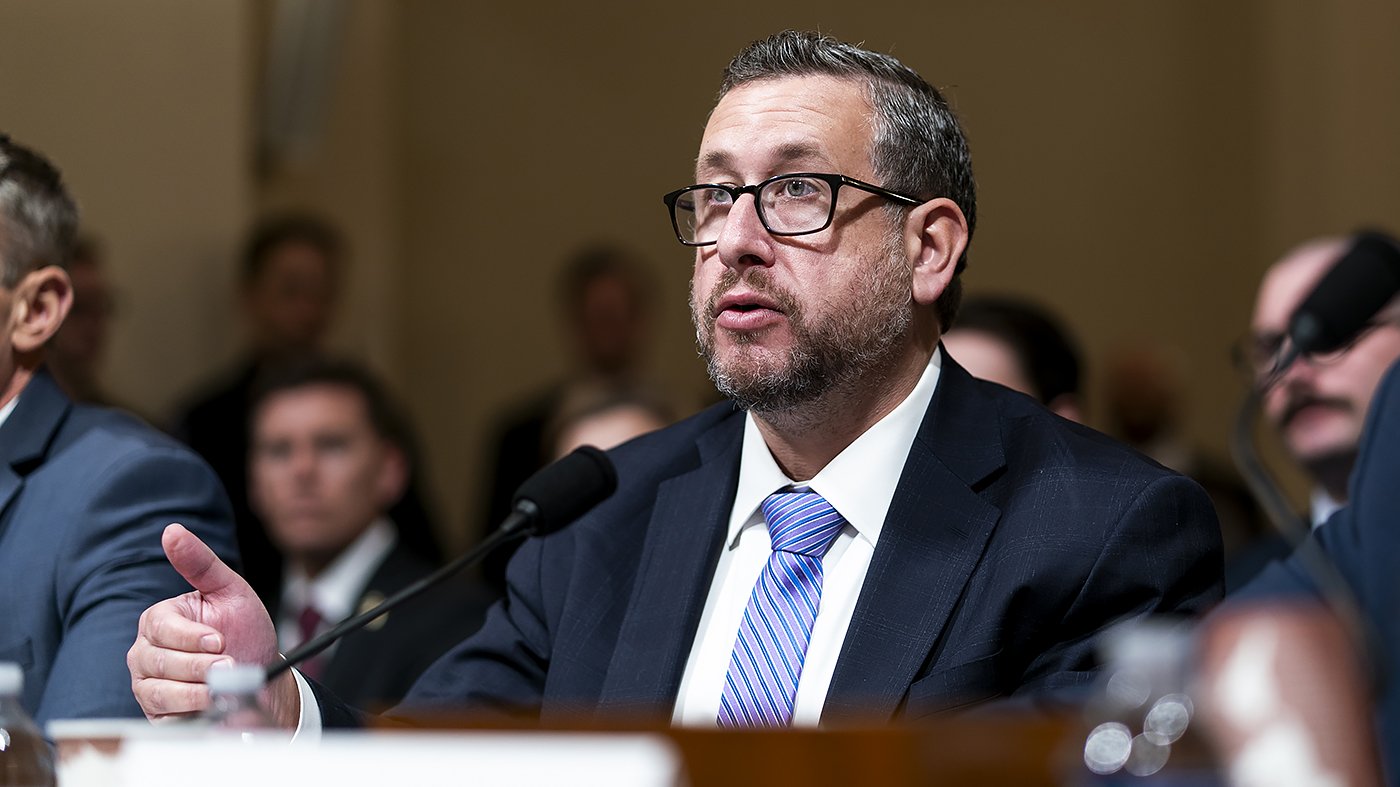
David Bier, director of immigration studies at the libertarian Cato Institute, noted that adjustment of status has covered more than half of all legal immigrants over the past generation. He called the policy "stupid and evil" in a social media post directed at USCIS Director Joseph Edlow, warning it would cost people their jobs and families. "These are all people who qualify to stay here permanently and Congress clearly wanted them to have a way to stay. He’s telling them to leave America," Bier wrote.
While the policy allows for discretion, it reclassifies adjustment of status as an "extraordinary" form of relief—a sharp reversal from decades of practice. Bier estimates there are already 1 million pending adjustment-of-status claims.
The backlog has grown since the Trump administration ordered USCIS to pause all pending immigration applications around Thanksgiving last year, following the fatal shooting of a National Guard member in Washington, D.C. That pause is still being challenged in court.
Legal experts say USCIS could face additional litigation over this latest move, particularly on the argument that such a sweeping policy change requires formal notice-and-comment rulemaking rather than a memo.
The policy arrives amid broader GOP infighting over immigration and spending. Some Republican senators have revolted over the president's proposed $1.8 billion 'anti-weaponization' fund, which has delayed reconciliation efforts. The administration's hardline approach to both legal and illegal immigration has drawn sharp criticism even from within the party.
Critics argue the new rule will not only upend the lives of hundreds of thousands of legal immigrants but also harm U.S. employers who rely on that talent pool. With visa processing halted in 75 countries, the practical effect is to force many skilled workers and their families into extended separation or permanent departure.