Consumer confidence in the United States has cratered to a historic low, as the ongoing conflict with Iran fuels anxiety about the economy and inflation. The University of Michigan's Surveys of Consumers released its final May reading of 44.8, a sharp 5-point decline from April and a 7.4-point drop from the same period last year.
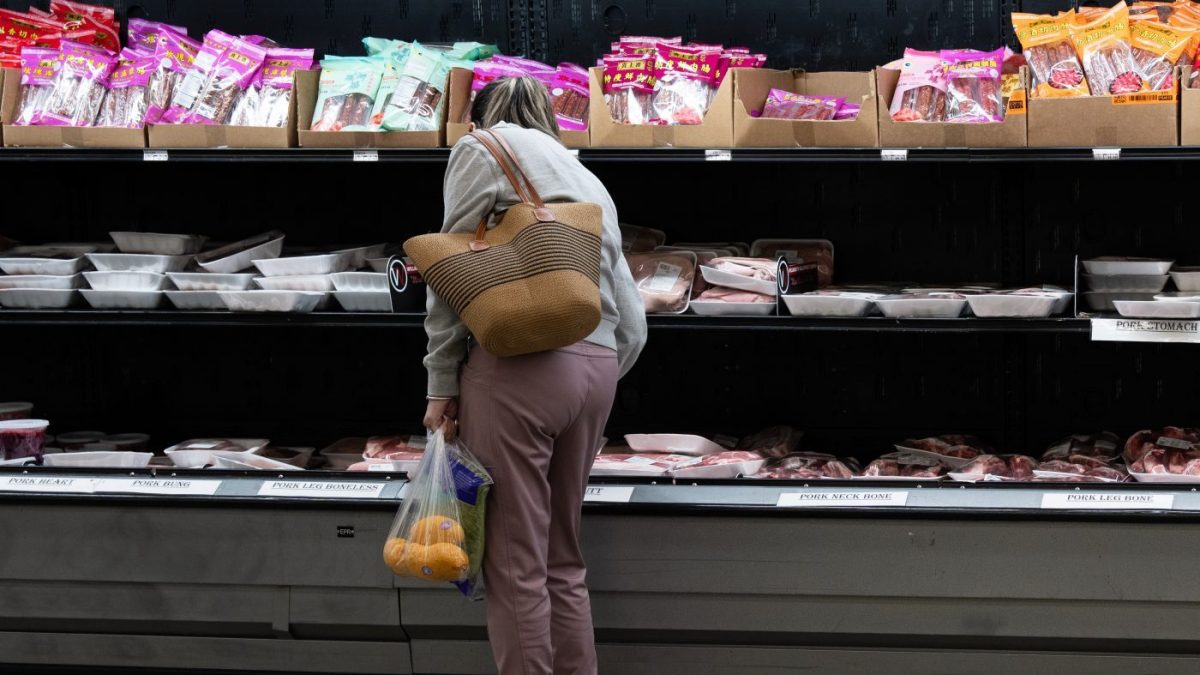
Joanna Hsu, who directs the survey, pointed to cost-of-living pressures as the main culprit. She noted that 57% of respondents spontaneously mentioned that higher prices are eating into their personal finances. Lower-income households and those without college degrees saw the steepest drops in sentiment, according to Hsu, as these groups are more exposed to spikes in gas and other essential costs.
The survey also revealed a widening partisan divide: sentiment among independents and Republicans fell to their lowest levels of President Trump's second term, while Democratic sentiment held steady from April. Trump has been losing ground within his own party on economic stewardship as Americans feel the squeeze from rising inflation and soaring gasoline prices, exacerbated by disruptions in global oil supply tied to the Iran conflict.
Inflation remains a persistent headache. The Labor Department's consumer price index rose 3.8% over the past 12 months, driven by shelter, energy, and gasoline costs. The Michigan survey found that one-year inflation expectations jumped to 4.8% in May, far exceeding the 3.4% reading before the war began in February. Consumers also expect prices to climb 3.9% annually over the next five to ten years.
Gas prices are the highest in four years, with AAA reporting a national average of $4.55 per gallon. This trend is closely tied to the Iran conflict, which has strained oil supplies and pushed energy costs higher. A separate Gallup survey released Friday confirmed the grim mood: roughly three-quarters of Americans think economic conditions are worsening, and only 16% rate the economy as excellent or good. Nearly half call it poor.
Consumer sentiment is a key gauge of future spending, which drives the bulk of U.S. economic activity. Hsu warned that fears of broader inflation are spreading: “Critically, consumers appear worried that inflation will increase and proliferate beyond fuel prices, even in the long run.”
The data underscores a fragile economy where the Iran conflict is amplifying existing pressures. For more on how the conflict is hitting wallets, see our coverage of gas prices hitting record highs as the Iran conflict strains the U.S. economy. Meanwhile, the political fallout may shape midterm dynamics, as Trump's struggles on the economy are detailed in our analysis of Trump's primary dominance masking GOP midterm weakness.