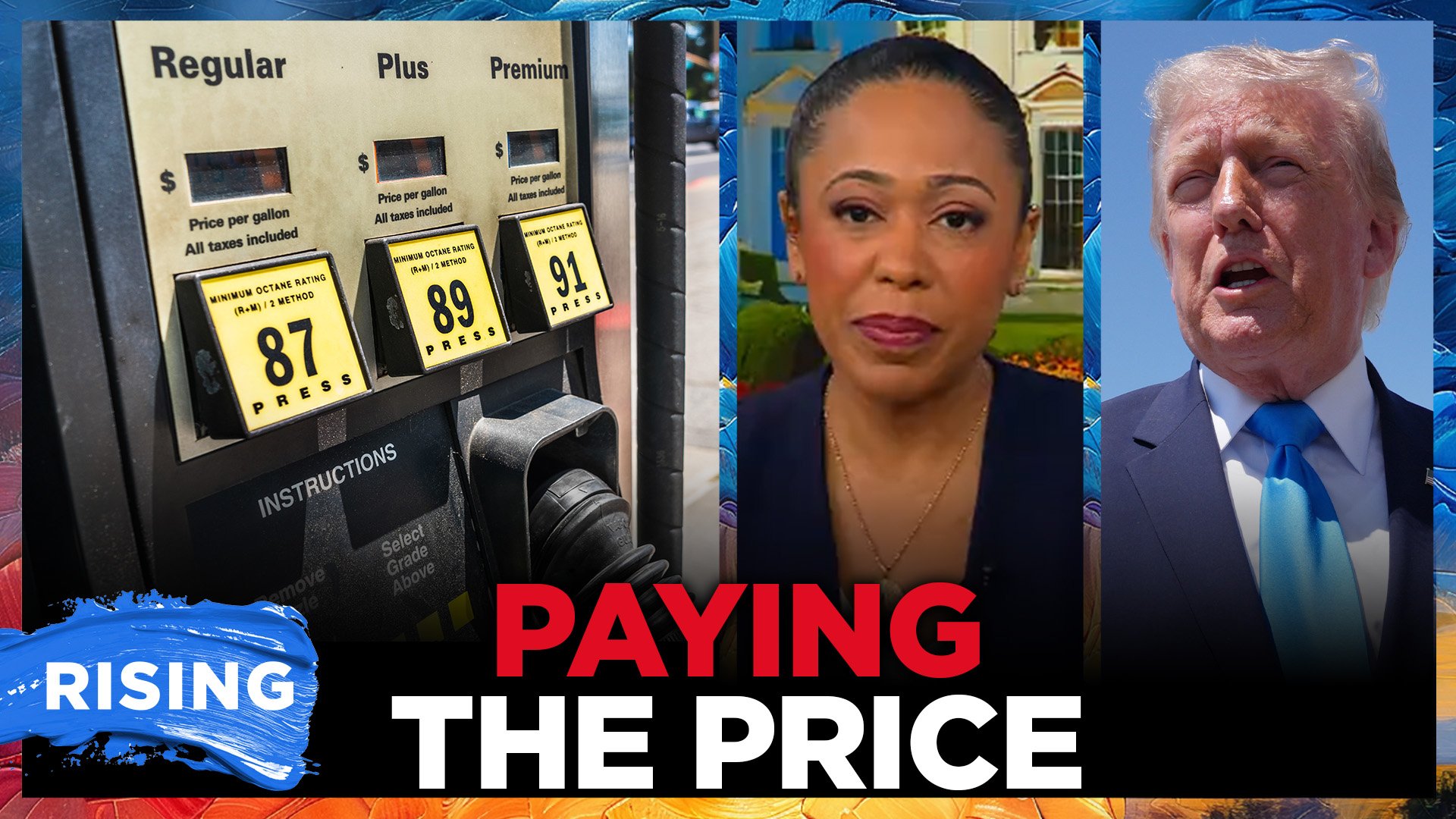
For the first time in years, every single state in the U.S. now has average gasoline prices exceeding $4 per gallon. In some regions, the situation is far worse: California drivers are paying over $6 a gallon. Analysts warn that if the Strait of Hormuz remains closed due to the ongoing conflict with Iran, national averages could soon set new records.
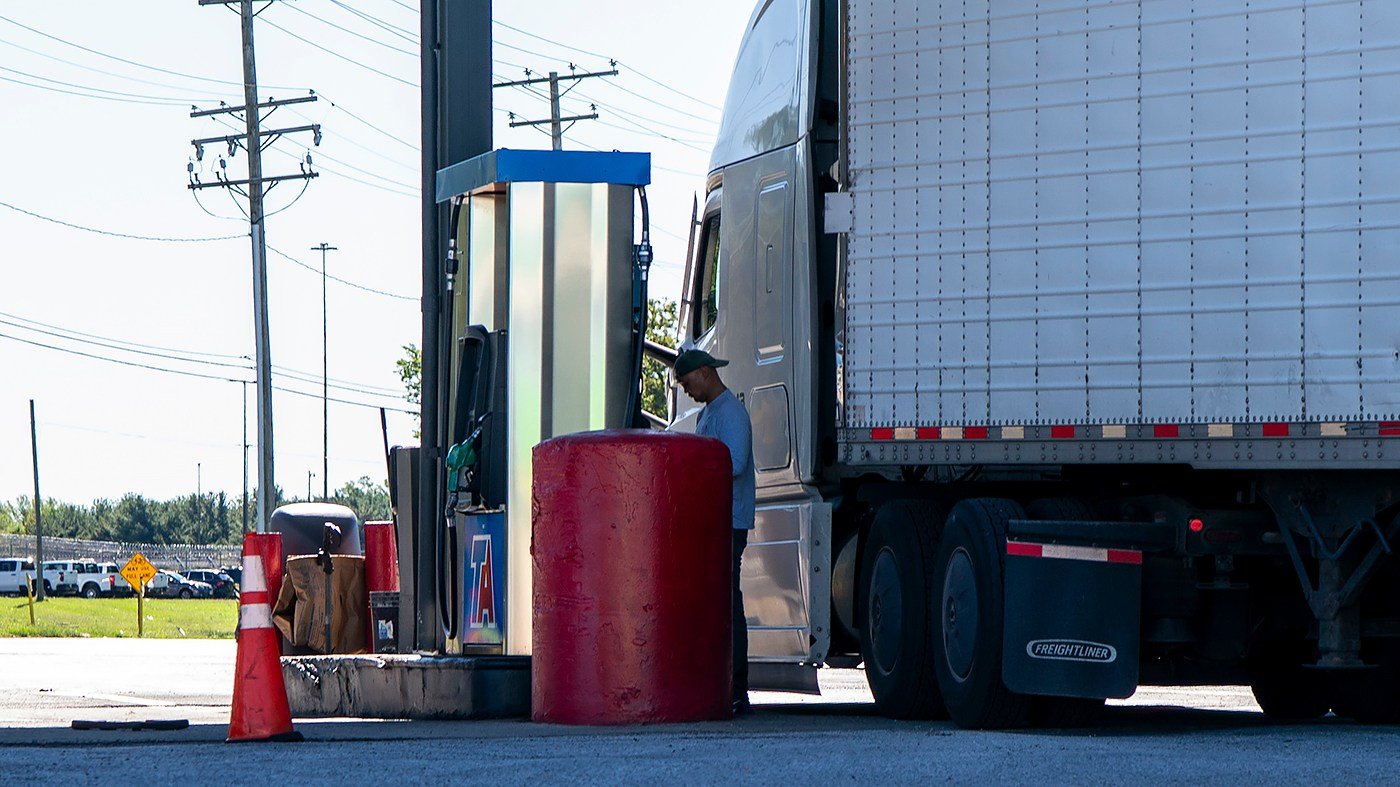
This isn’t just about the cost of filling up a tank. Energy prices ripple through nearly every sector. Shipping costs rise, groceries become more expensive, and airlines have already raised fares. Restaurants face higher delivery fees, construction companies pay more to move materials—a chain reaction that hits almost every American household.
How much does the president care? His own words suggest a stark disconnect: “I don’t think about Americans’ financial situation. I don’t think about anybody. I think about one thing. We cannot let Iran have a nuclear weapon. That’s all.” While preventing Iran from obtaining a nuclear weapon is a bipartisan national security priority, critics note that the Iran Nuclear Deal had already blocked that path—and that Operation Midnight Hammer allegedly “obliterated” Iran’s facilities. For Americans paying $4, $5, or $6 a gallon, the president’s comment underscores the gap between Washington’s geopolitical focus and families’ day-to-day struggles.
Small-business owners are feeling the squeeze most acutely. These enterprises have created roughly half of all new jobs over the past five years—coffee shops, landscapers, small trucking companies, boutiques dependent on timely shipments and customer disposable income. Now they face dramatically higher fuel costs alongside rising labor expenses and economic uncertainty. A Bank of America Institute report found that small businesses spent 31% more on gasoline this April than a year ago. Profitability is falling, sales are slowing, and they’re expected to keep hiring and absorbing costs without passing them on—a near-impossible demand.
Workers, meanwhile, are seeing a familiar pattern from the pandemic-era inflation crisis: paychecks that no longer keep pace with prices. Inflation rose faster than wages this spring, meaning Americans are effectively losing ground. Food and energy costs are climbing sharply, and unlike a few years ago, workers no longer have the leverage to jump jobs for higher salaries.
The war itself appears stuck in limbo. Diplomacy reportedly continues, but threats persist. Iran has warned of escalation beyond the Middle East if attacks resume, while the U.S. keeps military pressure on the table. Americans are left wondering how long they’re expected to absorb the economic fallout from a conflict thousands of miles away—a conflict the president said would last less than six weeks.
This economic strain comes as policymakers debate other priorities. For instance, Senator Joni Hinson of Iowa has touted her ties to President Trump while backing a congressional trading ban, and the administration has pulled back an AI testing order over innovation concerns. Meanwhile, some in Congress are pushing for approval of a $1.78 billion “anti-weaponization” fund, as Senator Bill Cassidy argues, while others challenge the administration’s spending priorities.
Lindsey Granger, a NewsNation contributor and co-host of The Hill’s “Rising,” provided this analysis in an edited transcription of her on-air commentary.