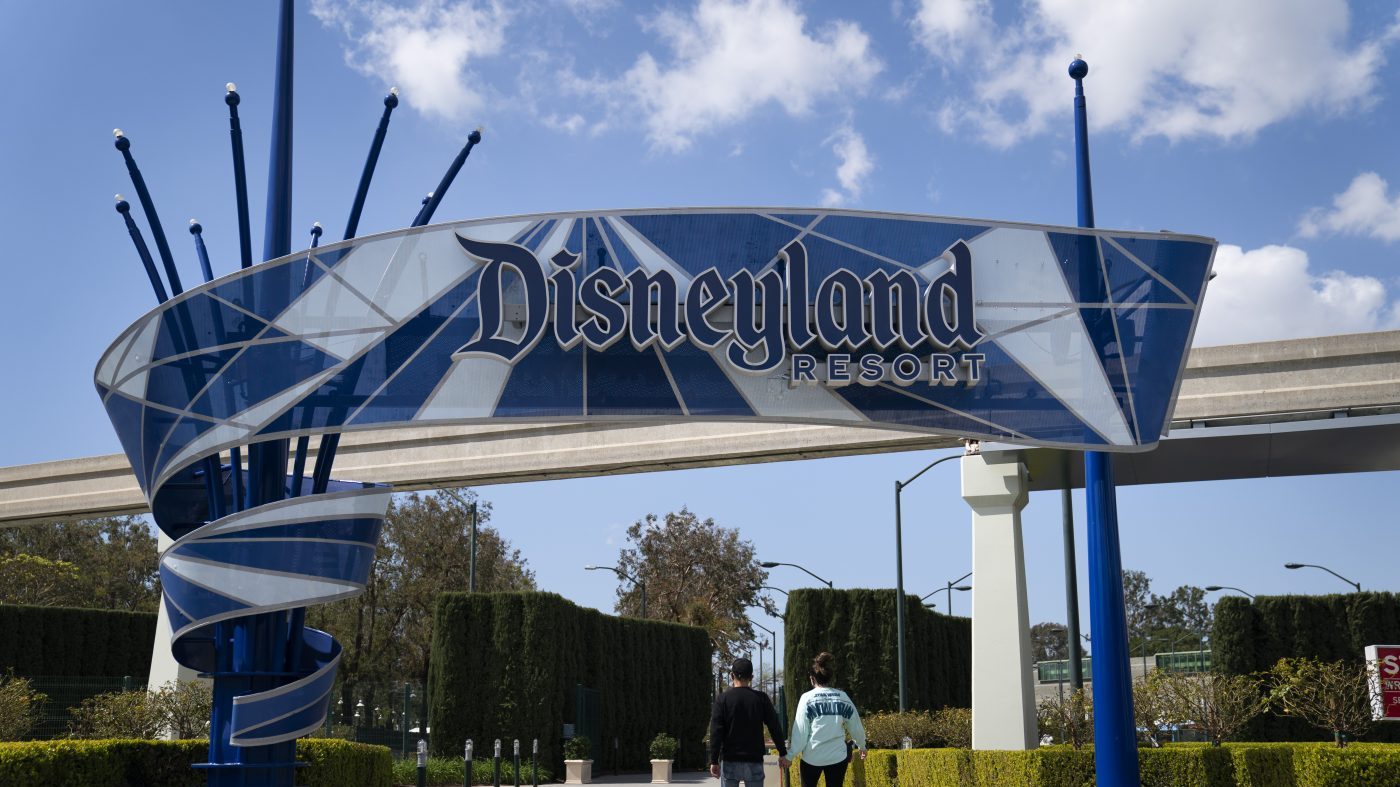
A California woman has filed a class-action lawsuit against the Walt Disney Co., accusing the entertainment giant of illegally harvesting biometric data from visitors at its theme parks through facial recognition technology.
The complaint, lodged in the Southern District of New York on behalf of Riverside County resident Summer Christine Duffield, alleges that Disney began scanning guests' faces at the entrances of Disneyland and Disney California Adventure in late April without obtaining adequate consent. Duffield visited both parks in early May.

According to the lawsuit, Disney's collection of facial geometry—which the plaintiff's attorneys describe as more permanent than a Social Security number and impossible to alter—violates California state privacy laws and federal protections against deceptive trade practices. The filing argues that visitors, including children, were never properly informed that their biometric data was being captured.
"Unfortunately, for visitors of Disney Theme Parks, including Plaintiff Duffield and Class members, they have no idea whatsoever that their biometrics were collected without adequate consent," the complaint states.
Disney's privacy policy frames the facial recognition system as a tool to streamline reentry and prevent fraud, allowing guests to choose dedicated lanes that use the technology. The company says images taken at the gate are matched against a photo saved when the ticket or pass was first used, and all data is deleted within 30 days. Disney also notes that alternative entrances are available for those who wish to opt out.
But Blake Yagan, an attorney representing Duffield, contends those opt-out lanes are poorly marked. "There are dozens of lines which allow guests to enter the parks, but only four out of the many lines claim not to use facial recognition through their unclear signage," Yagan wrote. "Guests, let alone children, cannot make a conscientious choice to avoid having their facial recognition data collected."
The lawsuit seeks at least $5 million in damages and demands that Disney halt its biometric data collection until it secures explicit, informed consent. It also calls for the destruction of any biometric data already gathered.
Disney did not immediately respond to a request for comment. The case highlights growing tensions over surveillance technology in public spaces, particularly in California, where state privacy laws are among the nation's strictest. The outcome could set a precedent for how theme parks and other entertainment venues deploy facial recognition, especially as affordability and consumer rights remain hot-button issues in the state's political landscape.