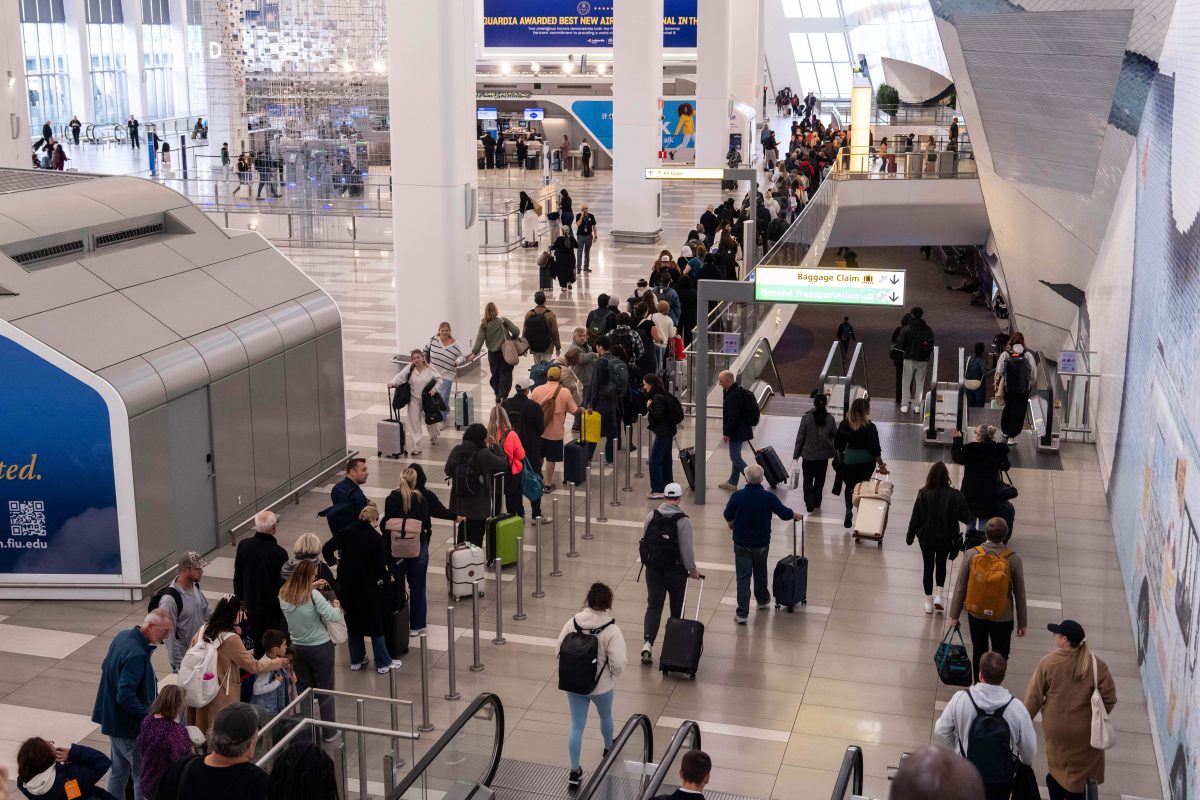
The Transportation Security Administration has quietly updated its operational guidelines regarding marijuana, potentially easing the path for passengers carrying the substance through airport security. The shift, though subtle, marks a notable departure from previous protocols that often left travelers uncertain about their legal exposure.
TSA officials have long maintained that their primary mission is to identify security threats, not to seek out drugs. In a statement to Nexstar, an agency spokesperson reiterated that officers are not trained to specifically search for marijuana or other controlled substances. However, if agents stumble upon cannabis during routine screening—such as in a carry-on bag—they are still required to report the find to local law enforcement.
The updated language, observers note, appears to double down on that distinction, potentially reducing the likelihood of passengers being flagged for small amounts of marijuana. Critics of the previous approach argued that the policy created confusion, as travelers could be detained or cited even when TSA agents were not actively looking for drugs.
Local police departments ultimately decide whether to pursue charges, a fact that remains unchanged. In states where cannabis is legal for recreational or medical use, authorities may choose to take no action. But in jurisdictions where it remains illegal, travelers could still face legal consequences.
The change comes amid broader debates over federal marijuana policy. As marijuana rescheduling continues to stir political controversy, the TSA's move highlights the gap between federal law and shifting public attitudes. Some lawmakers have pushed for clearer federal guidelines, but Congress has yet to act.
For passengers, the practical impact may be limited. While the TSA's revised focus could reduce the number of incidents at security checkpoints, the agency still operates under federal law, which classifies marijuana as a Schedule I substance. Travelers flying out of states where cannabis is legal, such as Colorado or California, should be aware that crossing state lines with marijuana remains a federal offense.
The update has drawn mixed reactions. Advocates for legalization see it as a step toward decriminalization, while law enforcement groups caution that it could encourage more passengers to take risks. The TSA insists the change is simply a clarification of existing policy, not a new leniency.
As the political landscape around cannabis evolves, this quiet administrative tweak may signal a broader shift in enforcement priorities. For now, travelers are advised to check local laws at their destination and remember that TSA's main job is to keep planes safe—not to police drug use.