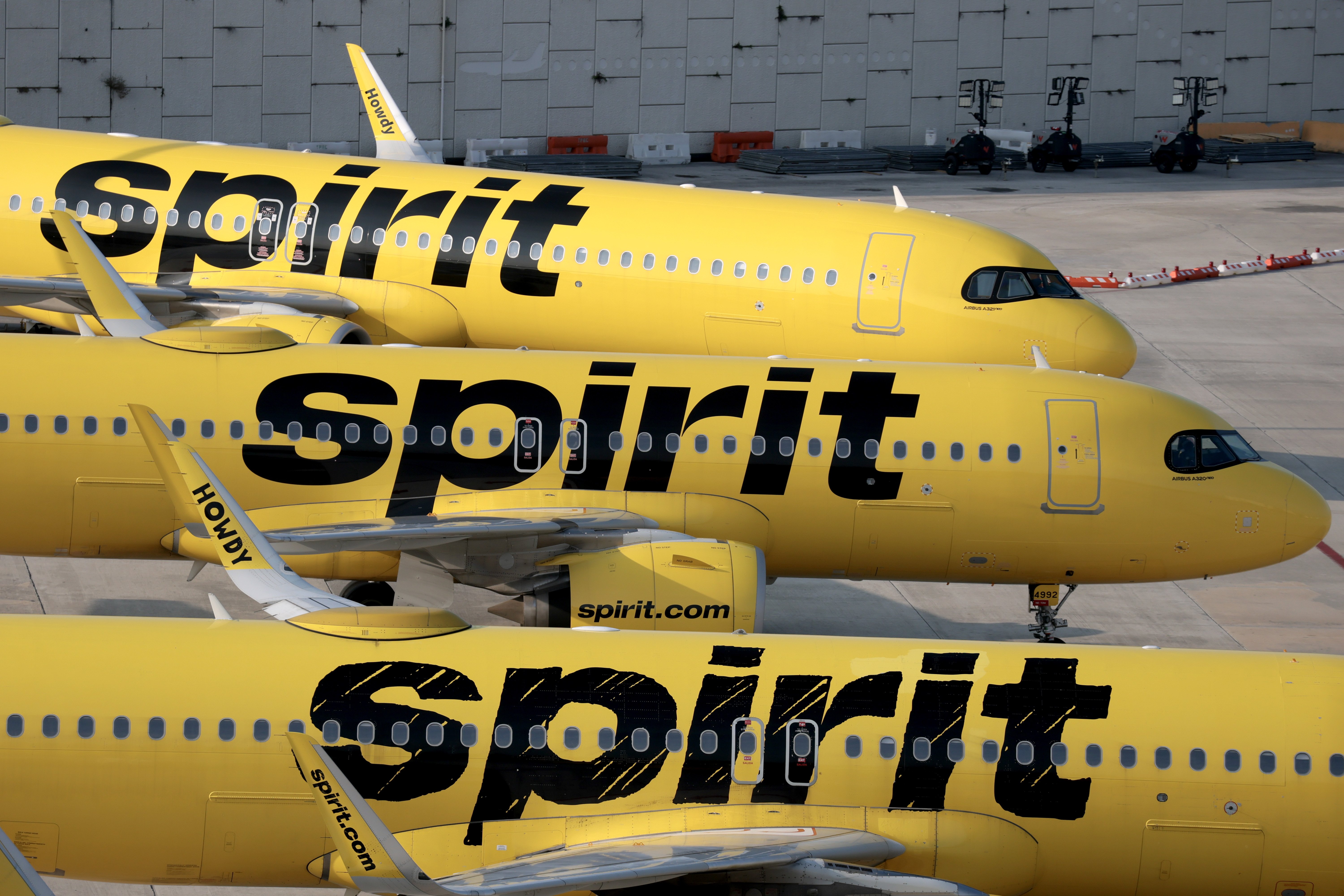
Spirit Airlines has permanently shut down, dealing a blow to the U.S. air travel market. The loss of a major budget carrier reduces competition and is likely to push ticket prices higher for consumers.
This outcome, however, provides a clear lesson for antitrust regulators: the Neo-Brandeisian movement—often called “New Antitrust”—has failed. The approach, which prioritizes breaking up large companies regardless of consumer impact, has been discredited by Spirit’s collapse.

Under the Biden administration, the Department of Justice, led by Attorney General Merrick Garland and with support from Transportation Secretary Pete Buttigieg, sued in 2023 to block Spirit’s merger with JetBlue. The government argued that the deal would eliminate the “Spirit Effect,” where Spirit’s low fares forced competitors to lower prices. Yet blocking the merger didn’t preserve competition—it eliminated Spirit entirely.
Spirit, struggling financially, couldn’t survive without a larger partner. The merger would have created a stronger competitor to Delta and United, while preserving 17,000 jobs. Instead, the airline filed for bankruptcy, and consumers now face fewer options and higher fares.
The Neo-Brandeisian philosophy replaces the long-standing consumer welfare standard—which only blocks mergers that directly harm consumers—with a vague hostility to corporate size. This ideological shift, as seen in Spirit’s case, can backfire. A recent landmark verdict against Live Nation-Ticketmaster shows that antitrust action can be effective, but only when grounded in evidence of consumer harm.
The Trump administration has an opportunity to learn from this mistake. President Trump replaced FTC Chair Lina Khan, the leading Neo-Brandeisian advocate, with Andrew Ferguson, who has promised to avoid “picking winners and losers.” Ferguson quickly dropped a lawsuit against Pepsi over bulk pricing discounts—a practice Neo-Brandeisians opposed because it favors large buyers, even though it lowers consumer prices.
But the legacy of Neo-Brandeisianism persists. The FTC still has open cases, such as one against Southern Glazer’s, the largest liquor distributor, over similar pricing practices. States are also fighting the merger of HPE and Juniper, a deal that antitrust experts say poses no competitive threat. Meanwhile, other sectors face challenges from policy decisions that can have unintended consequences.
To fully move past the Neo-Brandeisian era, the Trump administration must close these remaining cases and refocus antitrust policy on consumer welfare. The Spirit Airlines failure is a stark reminder that punishing bigness for its own sake can hurt the very people antitrust laws are meant to protect.