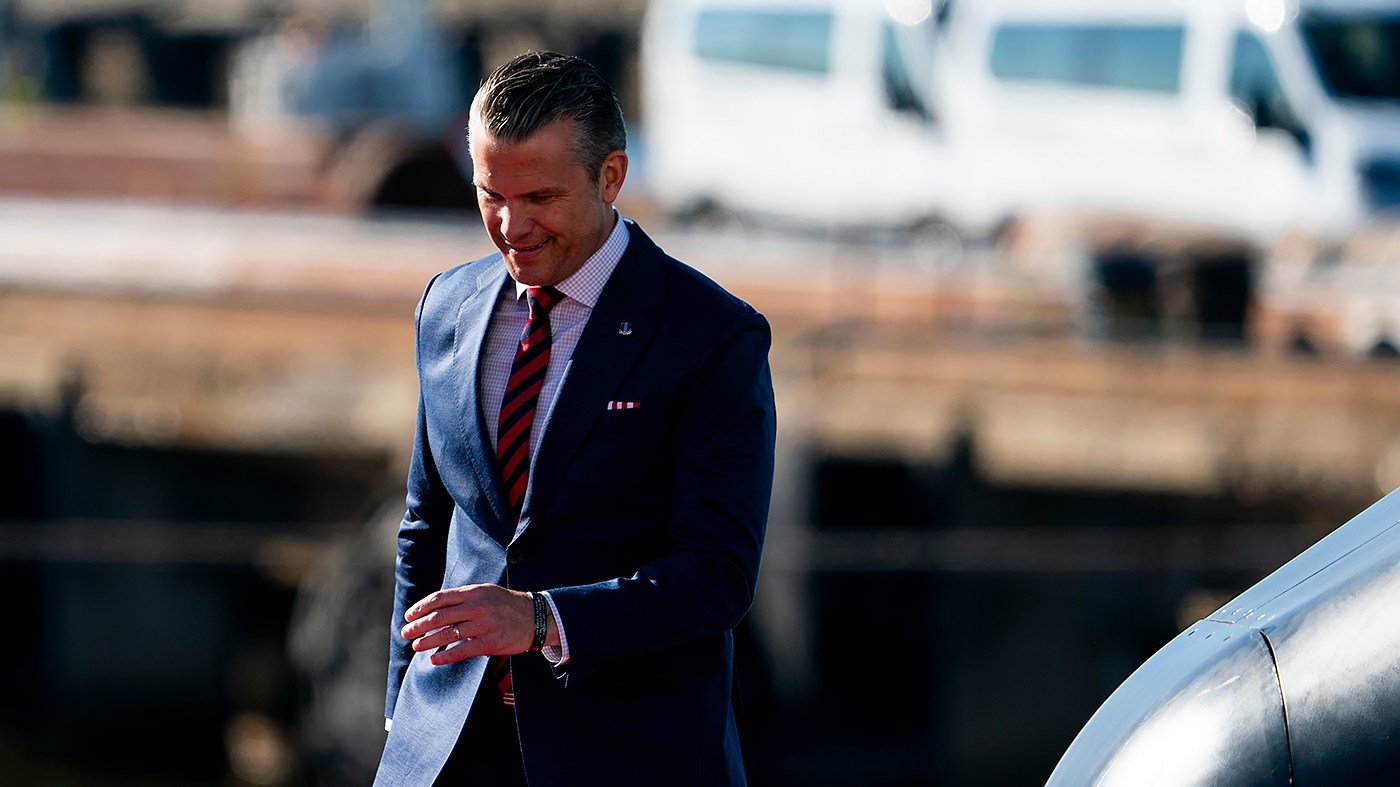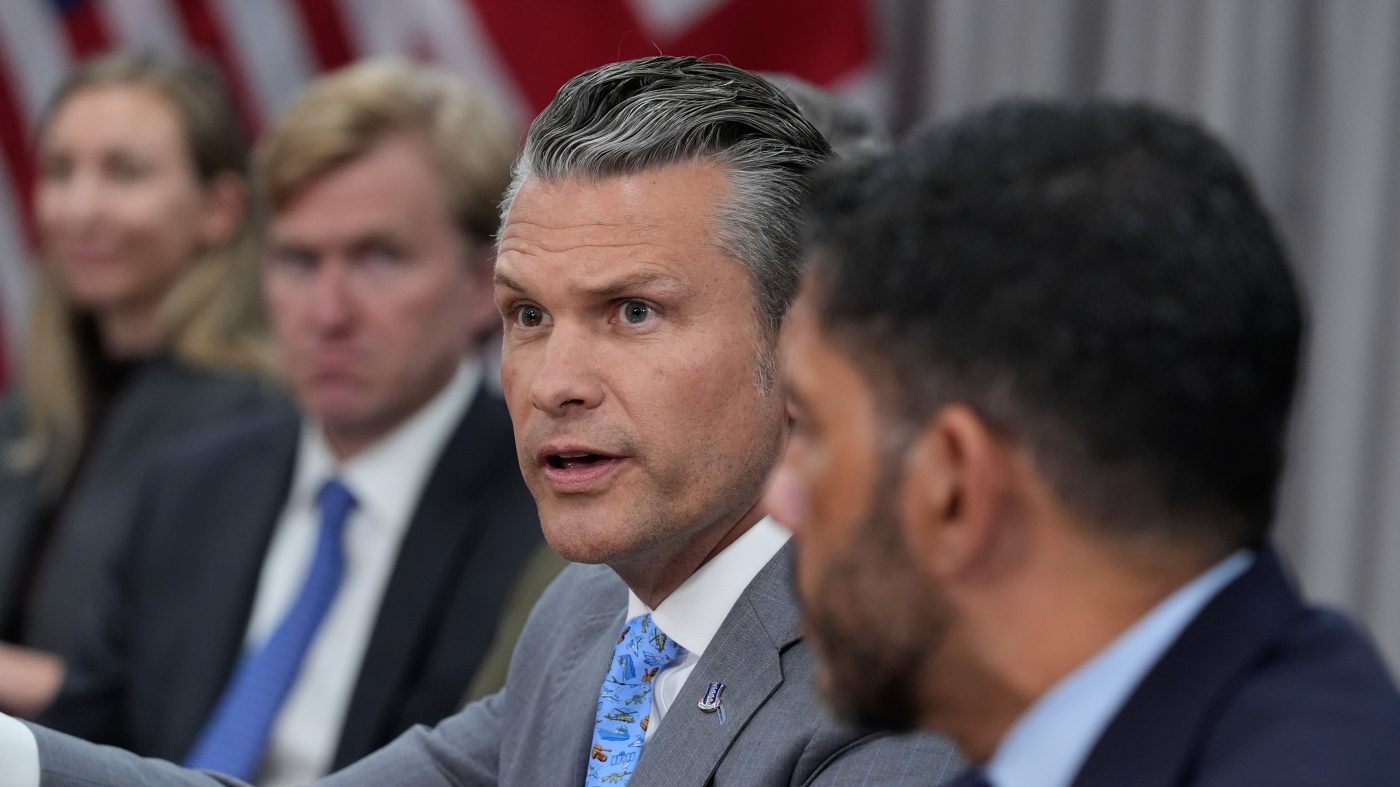
Anthropic squared off against the Pentagon on Tuesday in the D.C. Circuit Court of Appeals, where the artificial intelligence company faced an uphill battle convincing three Republican-appointed judges that Defense Secretary Pete Hegseth's supply chain risk label violated federal law.
The case, which could reshape how the government works with tech firms, centers on Hegseth's March 3 designation of Anthropic as a supply chain risk—a label typically reserved for foreign adversaries. The move followed failed contract negotiations over safety guardrails, with Anthropic demanding its technology not be used in fully autonomous lethal weapons or mass surveillance of Americans, while the Pentagon insisted on using Claude for "all lawful uses."
Anthropic attorney Kelly Dunbar faced nearly an hour of intense questioning, primarily from Trump-appointed Judges Neomi Rao and Gregory Kastas. Each side was allotted 15 minutes, but Kastas quipped Dunbar was "on our time." Dunbar argued Hegseth "turned a powerful national security authority against an American company, and he did so to gain leverage in a contract dispute."
The judges focused heavily on legal procedure and what Anthropic is asking the court to review. Dunbar specified Hegseth's March 3 designation and a March 6 memo from Pentagon CIO Kirsten Davies setting a 180-day deadline for removing Anthropic's products. He contended the Pentagon shifted its reasoning—initially citing concerns Anthropic could manipulate models post-deployment, then switching to pre-deployment manipulation. Dunbar called this a "fundamental pivot" and an "acknowledgement of how Hegseth was thinking about the problem."
Judge Karen LeCraft Henderson, a George H.W. Bush appointee, offered a friendlier reception, slamming the Pentagon's reasoning as a "spectacular overreach." She questioned the lack of evidence for malicious intent, noting the department's memo referred to Anthropic as having "mal intent, a bad motive, cannot be trusted." Henderson asked whether the Pentagon considered "less intrusive means." Dunbar suggested simply stopping new Claude procurement rather than resorting to blacklisting.
Rao pushed back, arguing Hegseth was "making more general points" about the "opaque" nature of AI models. "The fact that there could be things embedded even in current models of Claude that the government is using that may operate in ways that create certain risks that the government cannot detect," Rao said, appearing to side with the Pentagon's view.
The case also has a parallel suit in California federal court, where Anthropic is challenging the same designation. The outcome could have major implications for federal procurement and the broader relationship between Washington and tech companies. Anthropic's co-founder has also been tapped by Pope Leo XIV for an AI encyclical launch, underscoring the firm's high-profile role in AI ethics debates.
Kastas signaled an open mind, asking Dunbar to distinguish between a supply chain risk designation and a less intrusive measure. Dunbar pointed to reputational harm, warning the designation "risks broader commercial cascading implications that a simple, ordinary procurement decision would not." The panel did not indicate when it would rule.