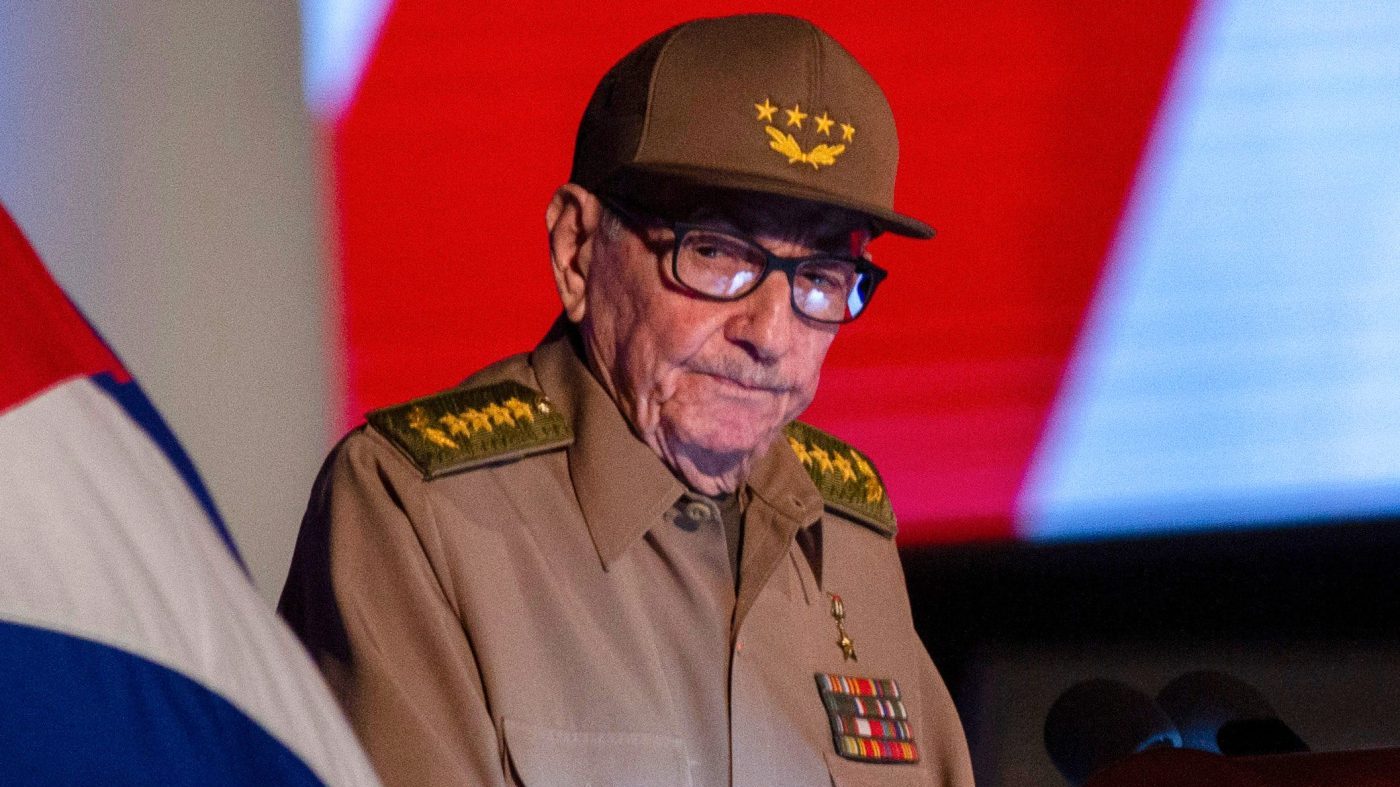
The Justice Department unsealed a murder indictment Wednesday against former Cuban President Raúl Castro, charging him in connection with the 1996 downing of two civilian aircraft operated by Brothers to the Rescue. The announcement, made in South Florida by Acting Attorney General Todd Blanche, came on Cuba's Independence Day and coincided with President Trump's renewed threat to invade the island.
Blanche joined federal prosecutors in Miami to unveil the charges “in conjunction with a ceremony to honor the victims of the Brothers to the Rescue,” a Miami-based exile group that flew search missions for Cubans attempting to flee the island. The indictment alleges Castro, then head of Cuba's military, ordered the attack that killed four unarmed crew members.
The incident occurred on February 24, 1996, when Cuban MiG fighter jets shot down two Cessna 337s over international waters north of Cuba. The planes were part of a humanitarian mission searching for rafters and other migrants trying to reach Florida. The four victims—Carlos Costa, Pablo Morales, Armando Alejandre, and Mario de la Peña—were all U.S. residents or citizens.
The timing of the indictment is politically charged. Cuba's Independence Day, May 20, marks the 1902 establishment of the Republic of Cuba, and Trump has used the date to escalate rhetoric against the Castro regime. Earlier this week, the president warned he might order a military invasion to topple the communist government, a threat that has drawn sharp criticism from Democratic lawmakers and international allies.
The Justice Department's move follows years of pressure from South Florida lawmakers, who have long demanded accountability for the 1996 killings. Florida lawmakers have repeatedly called for Raúl Castro's prosecution, arguing that the attack was an act of state-sponsored murder. The indictment also comes amid a broader U.S. campaign to isolate Cuba, including tightened sanctions and diplomatic measures.
Legal experts note that prosecuting a former head of state is rare and fraught with diplomatic obstacles. Castro, now 93, remains in Cuba and is unlikely to face trial in U.S. courts. However, the indictment serves as a symbolic rebuke and could complicate any future normalization of relations. The U.S. has ramped up pressure on Cuba, eyeing regime change through sanctions and indictments, though critics argue such moves risk provoking a new migrant crisis.
The indictment also highlights the enduring legacy of the Brothers to the Rescue tragedy, which has been a rallying point for Cuban exiles in Florida. The group's founder, José Basulto, was onboard one of the downed planes but survived after parachuting into the sea. He has since become a vocal advocate for justice.
Blanche, in his remarks, framed the charges as a matter of accountability for terrorism. “The United States will not forget the lives lost in this cowardly attack,” he said. “We will pursue justice for the victims and their families, no matter how long it takes.”
The indictment is likely to deepen tensions between Washington and Havana, already strained by Trump's aggressive posture. Former Defense Secretary Robert Gates has warned of a new Cuban exodus as economic conditions worsen under tightened U.S. sanctions. Meanwhile, human rights groups have expressed concern that the indictment could be used to justify further interventionist policies.
Read the full indictment below, which details the chain of command and the alleged order given by Castro to shoot down the civilian aircraft.