Former Defense Secretary Robert Gates cautioned Sunday that the United States could be staring at a major migration crisis from Cuba, driven by economic desperation and the Trump administration's tightening of sanctions on the island. In an interview on CBS's Face the Nation, Gates warned that the situation echoes the 1980 Mariel boatlift, when tens of thousands of Cubans fled to Florida.
When asked by host Margaret Brennan whether events in Cuba affect U.S. national security, Gates answered bluntly: “I think that, actually, the biggest risk is, that we end up with another Mariel evacuation from Cuba that has tens of thousands of Cubans heading to the United States out of desperation.”
The Mariel boatlift, documented by the National Coast Guard Museum, saw roughly 125,000 Cubans leave the island in 1980 after Fidel Castro allowed departures from the port of Mariel. Gates argued that a repeat scenario is now the most pressing threat from Cuba, even as Havana remains entangled in regional conflicts.
Gates also pointed to Cuba's broader role in destabilizing U.S. interests abroad. “The Cubans have had a lot of security people in Venezuela,” he said, noting they formed the security cordon around President Nicolás Maduro. “They have been involved in ways that have impacted our national security and our interests, in their engagement in other countries, for a long time.”
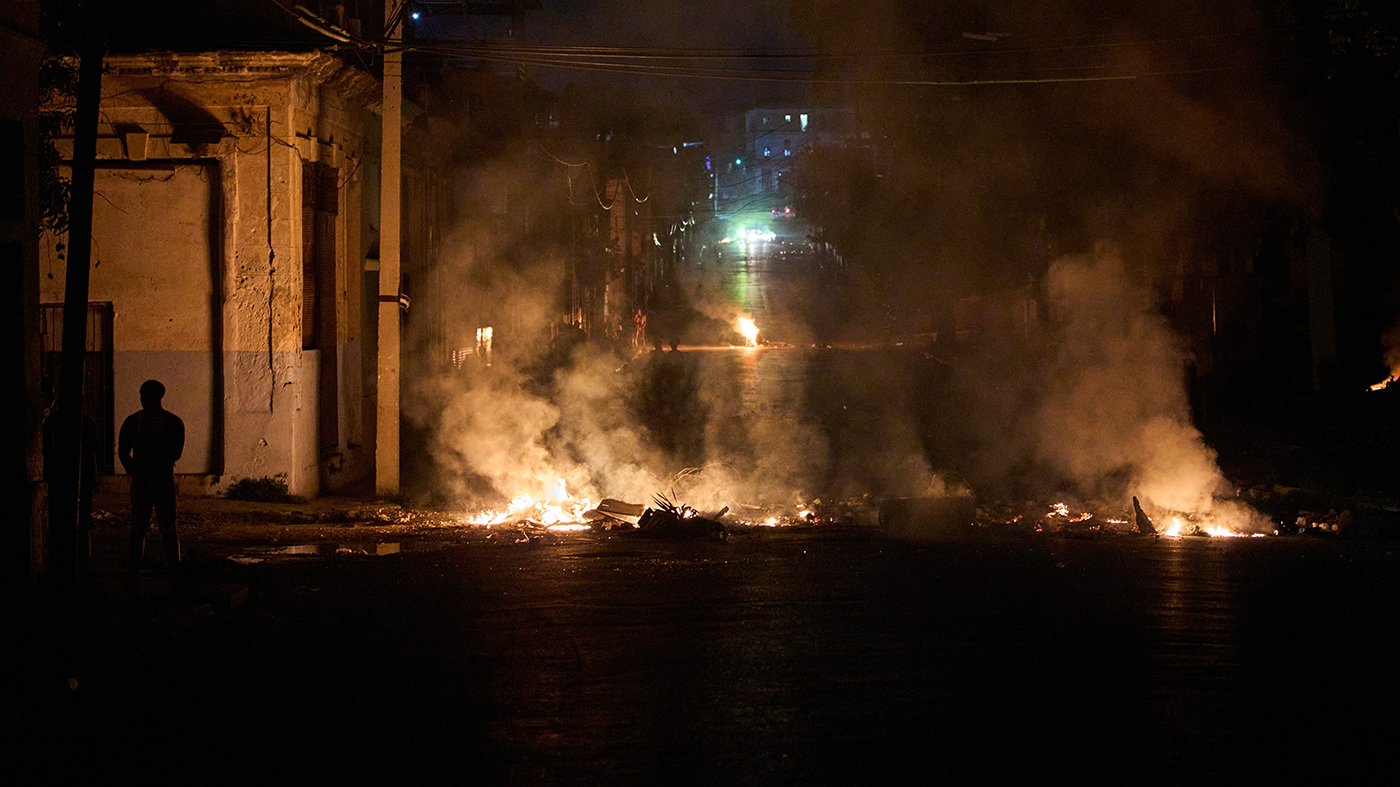
The warning comes just days after Cuban officials acknowledged the country had run out of oil and diesel, deepening a humanitarian crisis already exacerbated by Trump's renewed pressure campaign. The administration has threatened further sanctions and even potential military action unless Havana capitulates to U.S. demands. For more on the fuel shortage, read Cuba's Fuel Crisis Deepens as Trump Administration Tightens Screws.
Despite the squeeze, Cuban President Miguel Díaz-Canel has remained defiant. In a post on the social platform X, he called the U.S. blockade “genocidal,” describing it as “a perverse design whose main objective is the suffering of the entire people, to hold them hostage and turn them against the Government.”
The standoff is testing the resilience of Cuba's economy and its political leadership. Meanwhile, the Trump administration's confrontational posture is raising questions about the broader erosion of diplomatic norms. For context on how such credibility gaps affect alliances, see Trump's Credibility Crisis Erodes US Alliances and National Security.
For now, the prospect of another mass exodus looms as a stark reminder of the human cost of Cold War-era policies revived in a new era. Whether the administration's hardline approach will prevent or provoke a migration surge remains an open question.