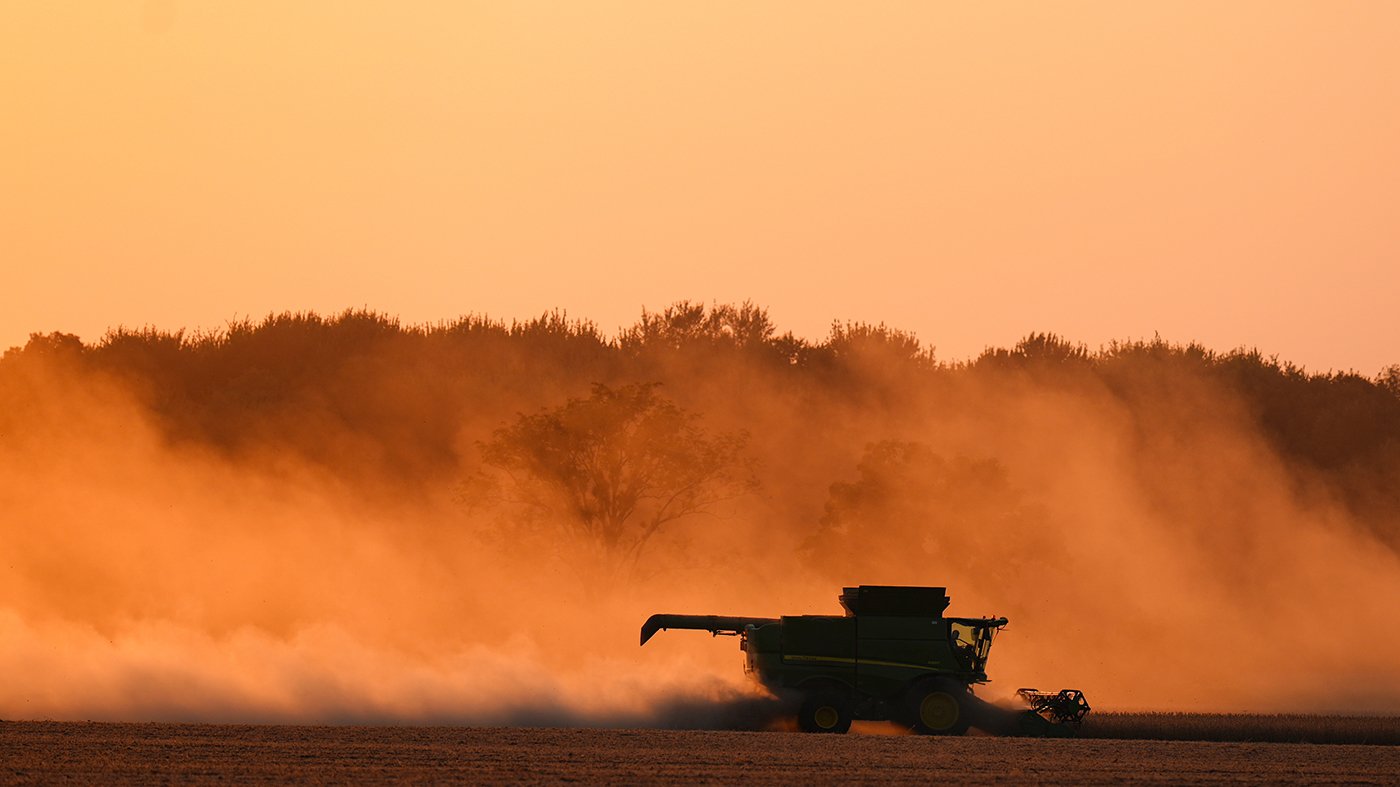
The White House confirmed Sunday that China has committed to buying at least $17 billion worth of American agricultural products each year, a pledge President Donald Trump secured during his recent visit to Beijing. The announcement, detailed in a White House fact sheet, positions the agreement as a key win for Trump administration trade policy and a potential boost for rural voters ahead of the midterm elections.
According to the fact sheet, the commitments include a minimum annual purchase of $17 billion in U.S. agricultural goods through 2028. Trump, while in China, “negotiated a sweeping package of commitments that will drive high-paying American jobs and open new markets for U.S. goods,” the White House stated.
Trump returned to Washington on Friday after a trip marked by elaborate pageantry but also underlying tensions over the war in Iran, Taiwan’s status, and trade imbalances. On the flight back, the president assured farmers they would be pleased with the outcomes. “The farmers are going to be very happy. They’re going to be buying millions of dollars,” Trump told reporters.
In a separate interview with Fox News’s Sean Hannity, Trump disclosed that Chinese President Xi Jinping agreed to purchase American soybeans, oil, liquefied natural gas, and other energy products, as well as Boeing aircraft. The deal is part of a broader effort to shore up rural support for Republicans ahead of the upcoming midterm elections.
The agreement comes amid a complex geopolitical backdrop. While Trump touted the trade benefits, his trip yielded no breakthrough on Iran, as U.S.-China tensions over Tehran's nuclear program remained unresolved. Critics have questioned whether the agricultural commitments will materialize given the broader strains in the bilateral relationship.
Nevertheless, the White House framed the deal as a significant step toward rebalancing trade with China. The fact sheet emphasized that the purchases would create high-paying American jobs and expand market access for U.S. exporters. The agricultural sector, a key constituency for Trump, has been hit hard by retaliatory tariffs in previous trade disputes.
The announcement has drawn mixed reactions. Some analysts note that the $17 billion figure, while substantial, represents only a fraction of the overall U.S.-China trade deficit. Others point to the long-term nature of the commitment, which extends through 2028, as a sign of sustained engagement.
For now, Trump is betting that the farm deals will resonate with voters in rural America, where agricultural trade remains a top concern. The White House is expected to continue highlighting the agreement as evidence of the president’s ability to secure tangible results on the world stage.