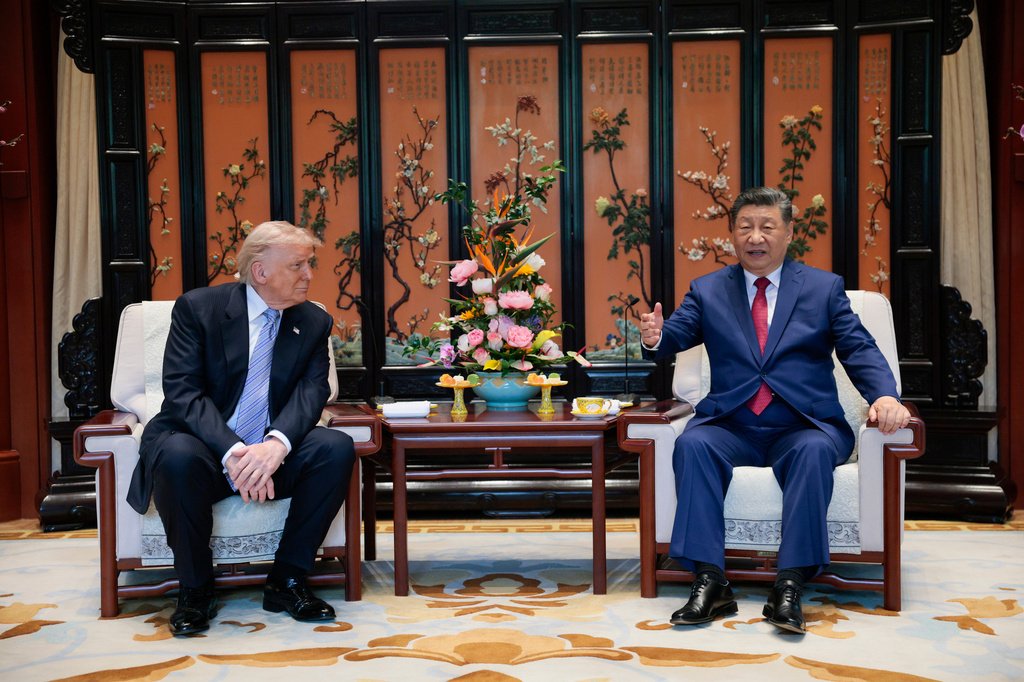
The Trump administration's 37-day air campaign against Iran has backfired, leaving the regime more entrenched and the Strait of Hormuz under its control. With the president returning from inconclusive talks in Beijing, the question is no longer how to win, but how to stop losing. Former congresswoman and intelligence committee chair Jane Harman lays out three concrete steps to regain ground.
First, reopen the Strait of Hormuz. The global economy depends on this energy chokepoint, and Iran now dictates terms there. Europe and Asia rely on Gulf oil and gas far more than the US, which is a net exporter. European allies have minesweeping and escort capabilities that should be deployed alongside American forces. China, as Iran's top oil customer, also has a stake in keeping the strait open. The US must build a truly international coalition, rather than acting alone.
Second, revive arms control. The war has made a nuclear arms race in the region more likely. While Iran is not close to a bomb, it is also not surrendering its enriched uranium. The near-term posture should keep sanctions, monitoring, and deterrence in place. The medium-term goal is to rebuild a negotiating table that includes the US, NATO, Russia, China, and Iran. Any deal must address enrichment limits, intrusive monitoring, and the disposal of Iran's stockpile, as well as missiles, drones, and proxy support.
Third, expand the Abraham Accords. The 2020 agreements, a genuine first-term achievement, have proven resilient. The UAE and Bahrain, hit by Iranian fire, have taken a hard line, and Saudi Arabia is positioning to lead a broader bloc. The opportunity is to deepen security cooperation and create alternative trade corridors, including underwater pipelines. But expansion requires progress on the Palestinian track—the other half of the bargain. Without that, no architecture will hold.
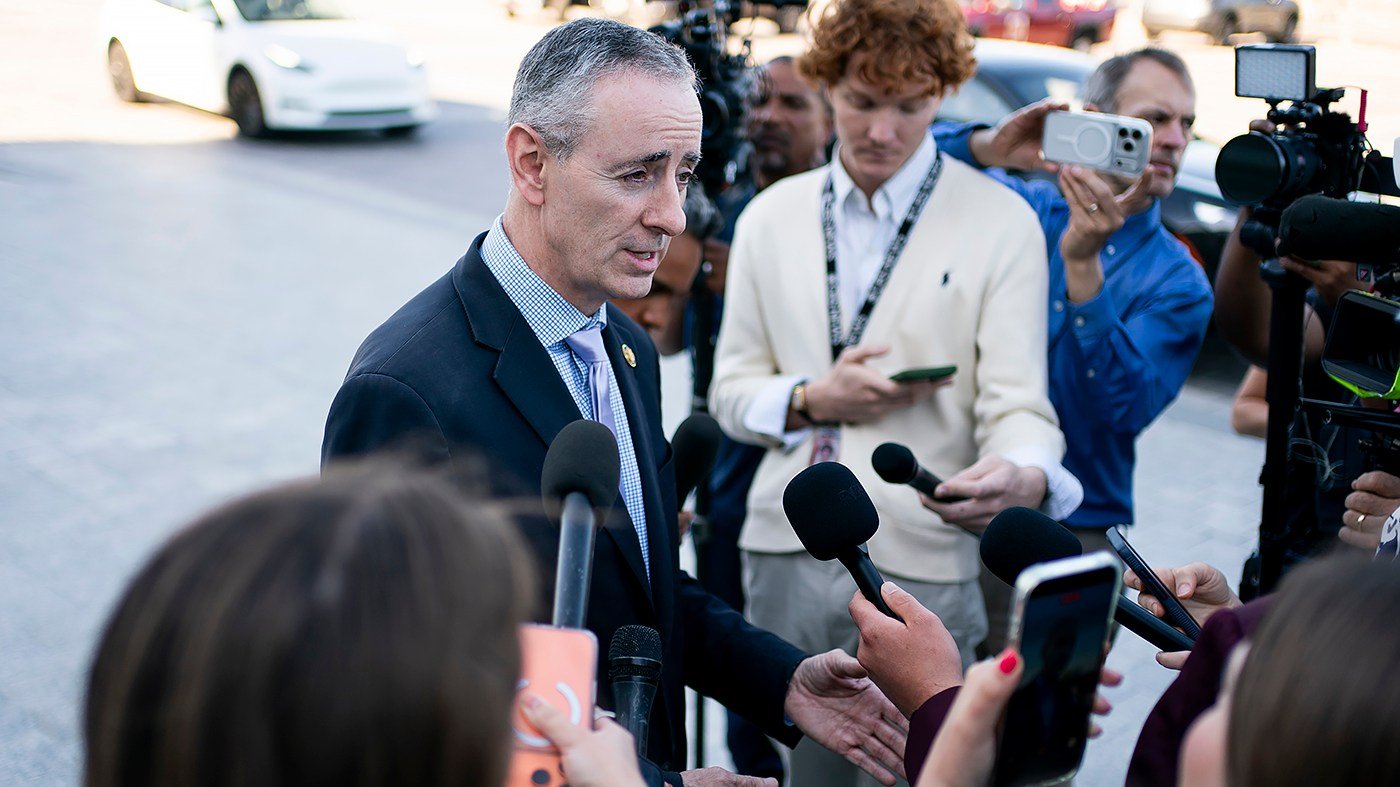
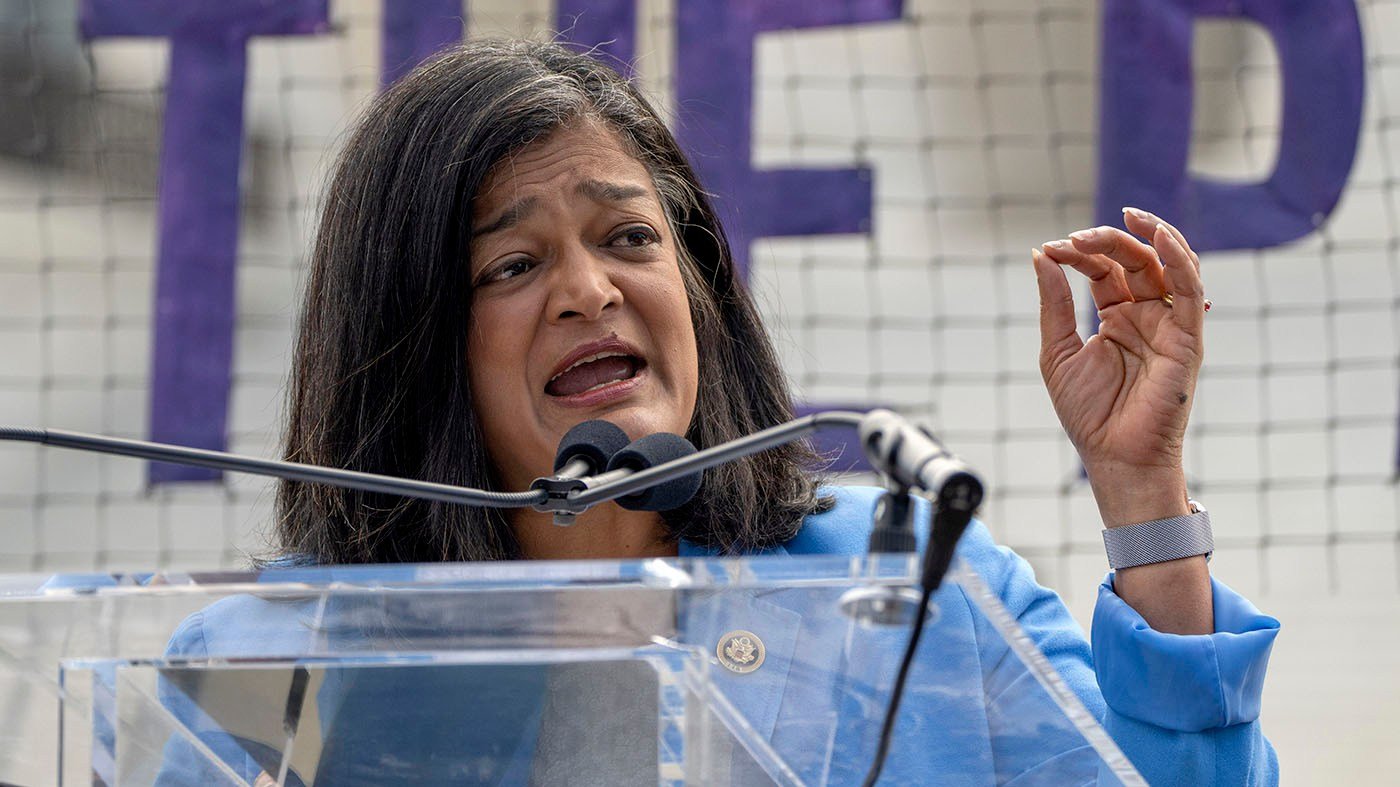
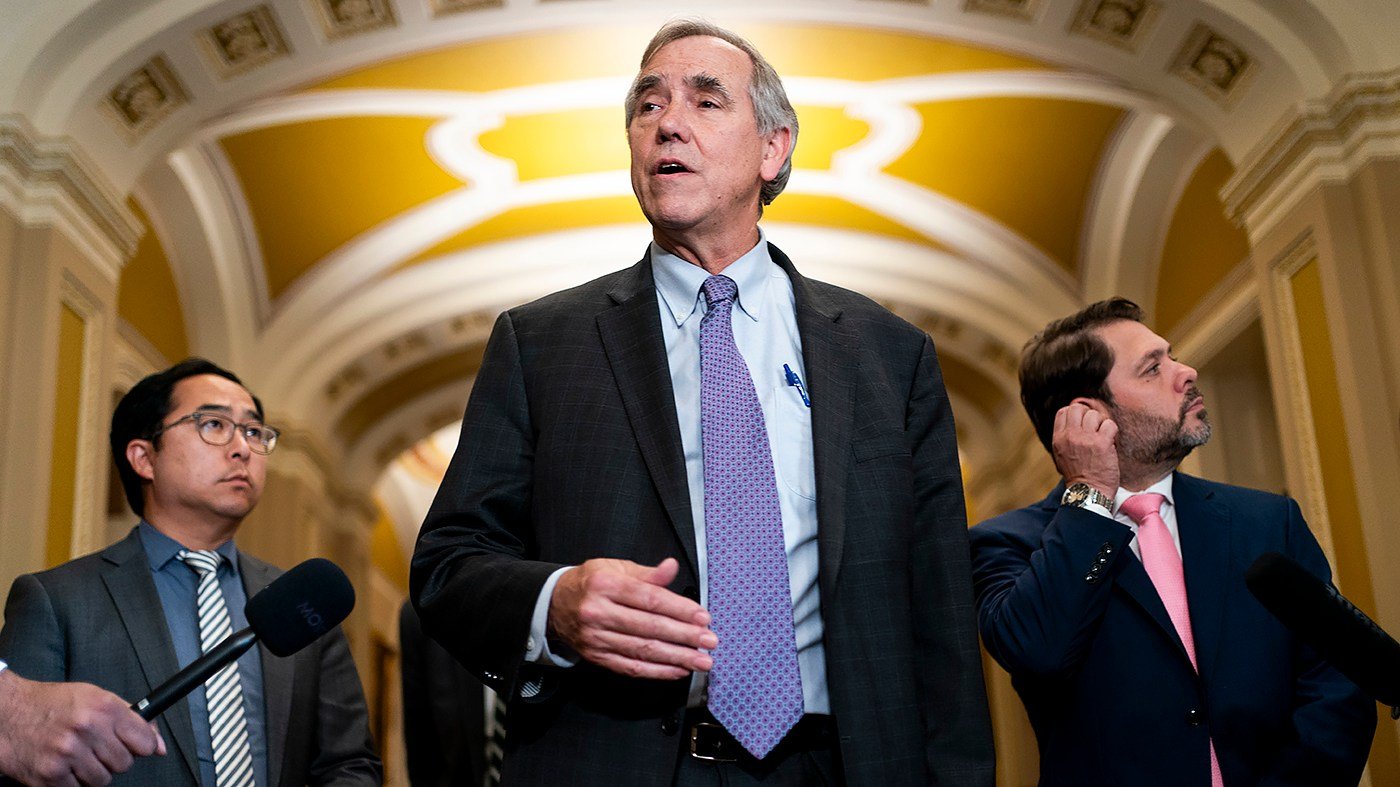
Congress must step up. Harman criticizes lawmakers for what she calls 'CACO'—Congress Always Chickens Out. Both parties should use their war-authorization, appropriations, oversight, and confirmation powers to demand a real plan from the White House and push toward a more constructive international posture. Restoring soft-power tools like USAID and embassy budgets is essential.
The damage from this war will not be repaired quickly, but the US can still leave the world a better place. The question is whether Washington will rise to the moment.