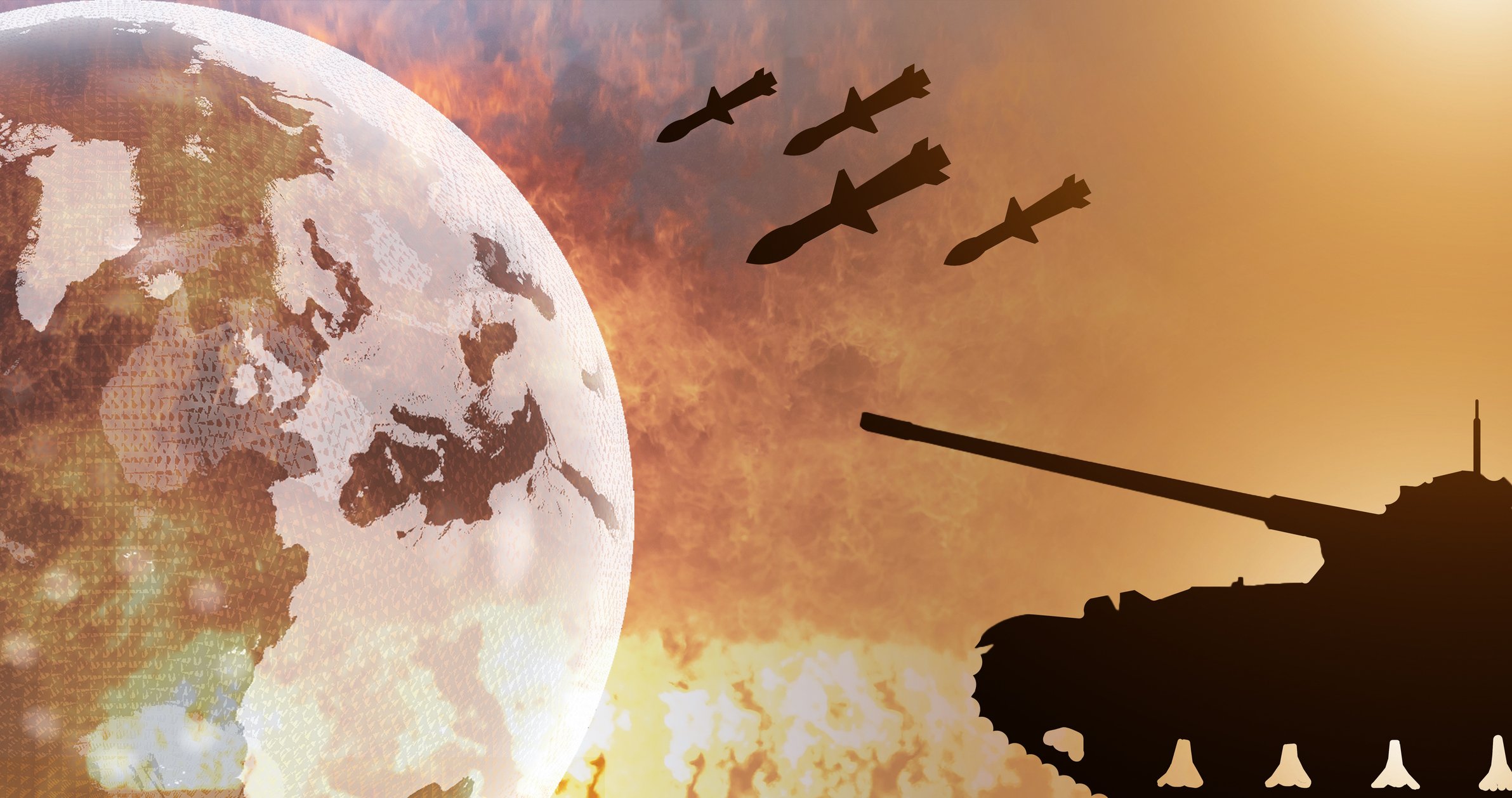
While global attention remains fixed on the conflict with Iran, the Trump administration has quietly intensified a campaign of military strikes against suspected drug trafficking vessels in the Caribbean and eastern Pacific. In just five days earlier this month, U.S. forces destroyed three boats, bringing the total to 57 operations that have killed nearly 200 people. Legal experts argue these actions amount to extrajudicial killings under international law—and murder under U.S. statutes—as part of a systematic effort to normalize the unilateral use of force as a tool of foreign policy.
This approach is alienating traditional allies, eroding the international order the United States helped build after World War II, and weakening the nation's domestic and international legitimacy. The administration's actions blur the line between war and law enforcement, threatening to set dangerous precedents for other powers.
Legal Boundaries Ignored
Under the United Nations Charter, nations may only use force abroad with Security Council authorization or in self-defense against an armed attack. The Trump administration claims it is effectively at war with Latin American drug cartels, arguing they "illegally and directly cause the deaths of tens of thousands of American citizens each year." But drug trafficking, while devastating, is criminal activity that demands a law enforcement response—arrests, charges, and trials—not lethal military force. By conflating policing with warfare, the administration is dismantling constraints on state violence.
Administration officials increasingly frame international relations as a system governed by raw power. When U.S. forces seized Venezuelan leader Nicolás Maduro, President Trump declared it a product of "the iron laws that have always determined global power." His repeated threats to take over Greenland, reclaim the Panama Canal, and use military force against Cuba, Colombia, and Mexico have fueled global fears of an unconstrained hegemon. Trump told The New York Times, "I don't need international law," adding that the only limit on his authority is "my own morality."
Iran Conflict and War Crimes Concerns
This worldview also shapes the administration's approach to Iran. U.S. claims about "Iran's malign aggression over decades" and the potential future acquisition of a nuclear weapon fall far short of recognized legal grounds for self-defense. Worse, the U.S. appears prepared not only to launch illegal wars but to fight them illegally. Early in the conflict, Secretary of Defense Pete Hegseth declared the U.S. would fight with "no stupid rules of engagement" or "politically correct wars," promising to "untie the hands of our warfighters" for "maximum lethality." Hegseth vowed to show "no quarter, no mercy for our enemies," despite that being a war crime under the laws of war.
The U.S. has struck bridges, power plants, universities, and steel and petrochemical facilities—targets that international law protects unless used for military purposes. After claiming strikes "totally demolished" most of Kharg Island, Iran's main oil export hub, Trump suggested hitting it "a few more times just for fun." He also threatened to "bomb Iran back to the Stone Age," leaving infrastructure "burning, exploding, and never to be used again." Last month, he warned that if Iran did not agree to peace terms, "a whole civilization will die tonight." This month, he told reporters that "if there's no ceasefire, you're just going to have to look at one big glow coming out of Iran."
Systematic Erosion of Safeguards
The Defense Department has systematically weakened mechanisms meant to ensure compliance with the laws of war. Hegseth fired top lawyers for the Army, Navy, and Air Force, removed other senior military lawyers, and eliminated "civilian environment teams" tasked with limiting harm to noncombatants. These moves undermine accountability and increase the risk of atrocities.
The post-World War II international order rested on two pillars: the ban on unilateral force in the U.N. Charter and the rejection of war crimes and crimes against humanity established at Nuremberg. If the United States, the principal architect of that order, abandons these principles, others will follow. Russia has already used false claims of genocide and self-defense to justify its invasion of Ukraine. China will almost certainly cite U.S. precedents if it decides to seize Taiwan. The Trump administration seems determined to return to a world where great powers face few constraints on force—a world that, as the U.N. Charter notes, twice "brought untold sorrow to mankind." In an era of nuclear weapons, AI-enabled warfare, and rising authoritarianism, abandoning admittedly imperfect international laws and institutions is not realism; it is a dangerous gamble.
For more on domestic political fallout, see Trump's primary challenges to GOP critics and how GOP lawmakers are increasingly defying the president. The administration's foreign policy moves also come as Trump returns from Beijing talks amid economic jitters.