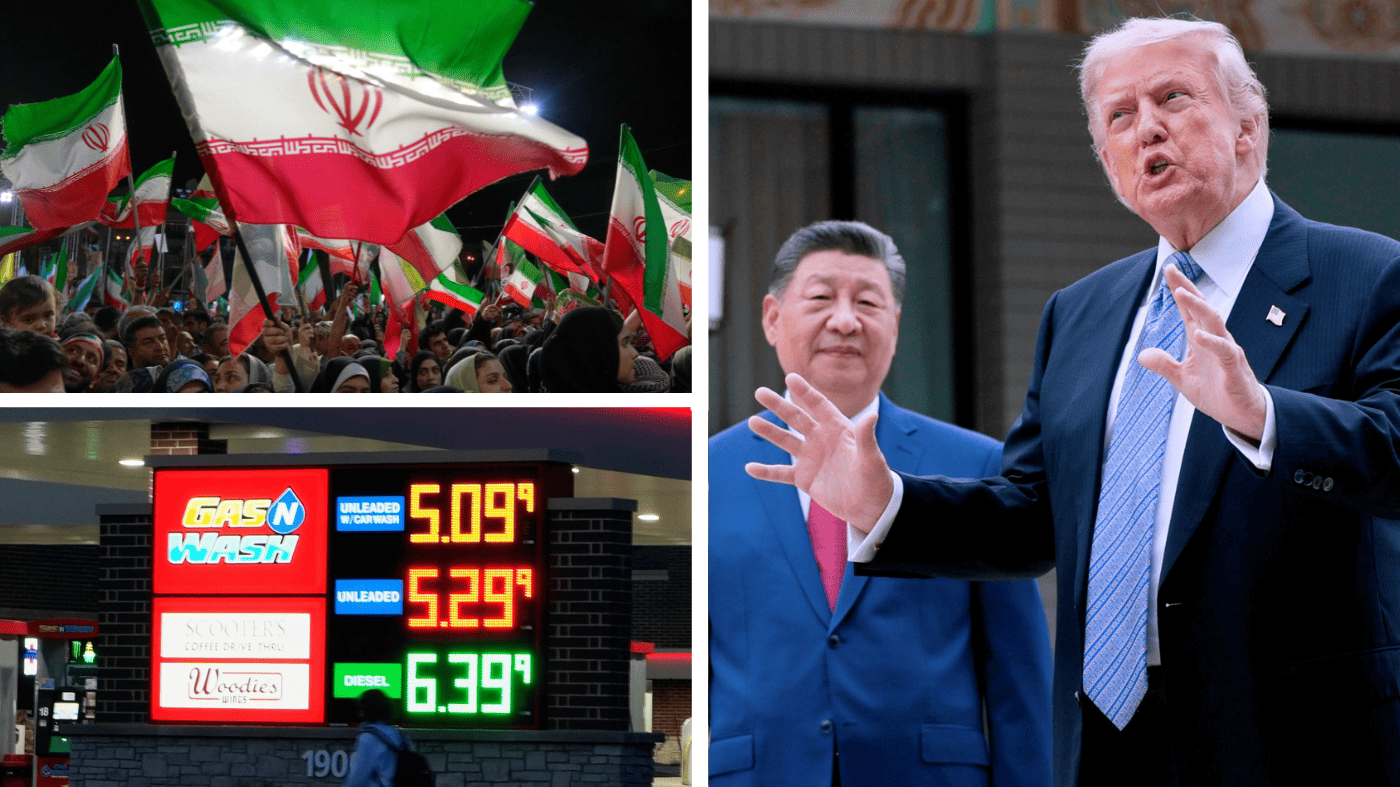
President Trump is back on U.S. soil after a high-stakes meeting in Beijing with Chinese President Xi Jinping, where discussions centered on trade imbalances, the status of Taiwan, and surging energy prices fueled by the ongoing conflict with Iran. The summit, held Thursday, came as Americans face a national average gas price of $4.52, according to AAA, and inflation hit 3.8 percent in April—higher than expected.
Trump praised Xi, calling it “an honor” to be his friend. But Xi warned against the U.S. and China falling into the “Thucydides trap,” the geopolitical theory that war becomes inevitable when a dominant power feels threatened by a rising one. The Chinese leader also cautioned that mishandling the “Taiwan question” could jeopardize the entire bilateral relationship, according to a statement from Beijing’s foreign ministry.
Secretary of State Marco Rubio said both nations agree the Strait of Hormuz—blockaded by Iran—should not be “militarized” and must reopen, and that Iran cannot be allowed to develop nuclear weapons. However, Chinese readouts of the meeting offered no explicit commitment on the strait, despite U.S. hopes that Beijing would pressure Tehran. Trump later told Fox News’s Bret Baier there was “no commitment” on Taiwan, adding he wants both sides to “cool down.” Bipartisan lawmakers have urged Trump to approve a $14 billion arms sale to Taiwan, but the president remained noncommittal: “I may do it. I may not do it.”
Few Deals, Lingering Economic Pain
Beyond security issues, the summit produced limited trade breakthroughs. Trump announced on Air Force One that China agreed to purchase 400 to 450 GE Aerospace jet engines and 200 Boeing jets, with an option for up to 750 more “if they do a good job.” He also claimed Beijing would buy “billions of dollars of soybeans.” But no formal agreement was signed, and the lack of a comprehensive deal underscored the tension between the two powers.
At home, the economic fallout from the Iran war continues to squeeze households. Trump last week dismissed Iran’s latest peace proposal as “TOTALLY UNACCEPTABLE,” drawing a sharp retort from Tehran’s top negotiator, who warned American taxpayers would “pay for it.” Asked by reporters before leaving for China whether he considers Americans’ financial struggles when dealing with Iran, Trump replied, “not even a little bit.” Allies like Rubio and Speaker Mike Johnson defended the remark, but Trump doubled down, telling Baier, “That’s a perfect statement. I’d make it again.”
Energy Secretary Chris Wright predicted the Strait of Hormuz would reopen “sometime this summer at the latest,” offering a possible timeline for relief at the pump. But with no ceasefire in sight, voters remain anxious.
Primary Challenges Test Trump’s Grip on GOP
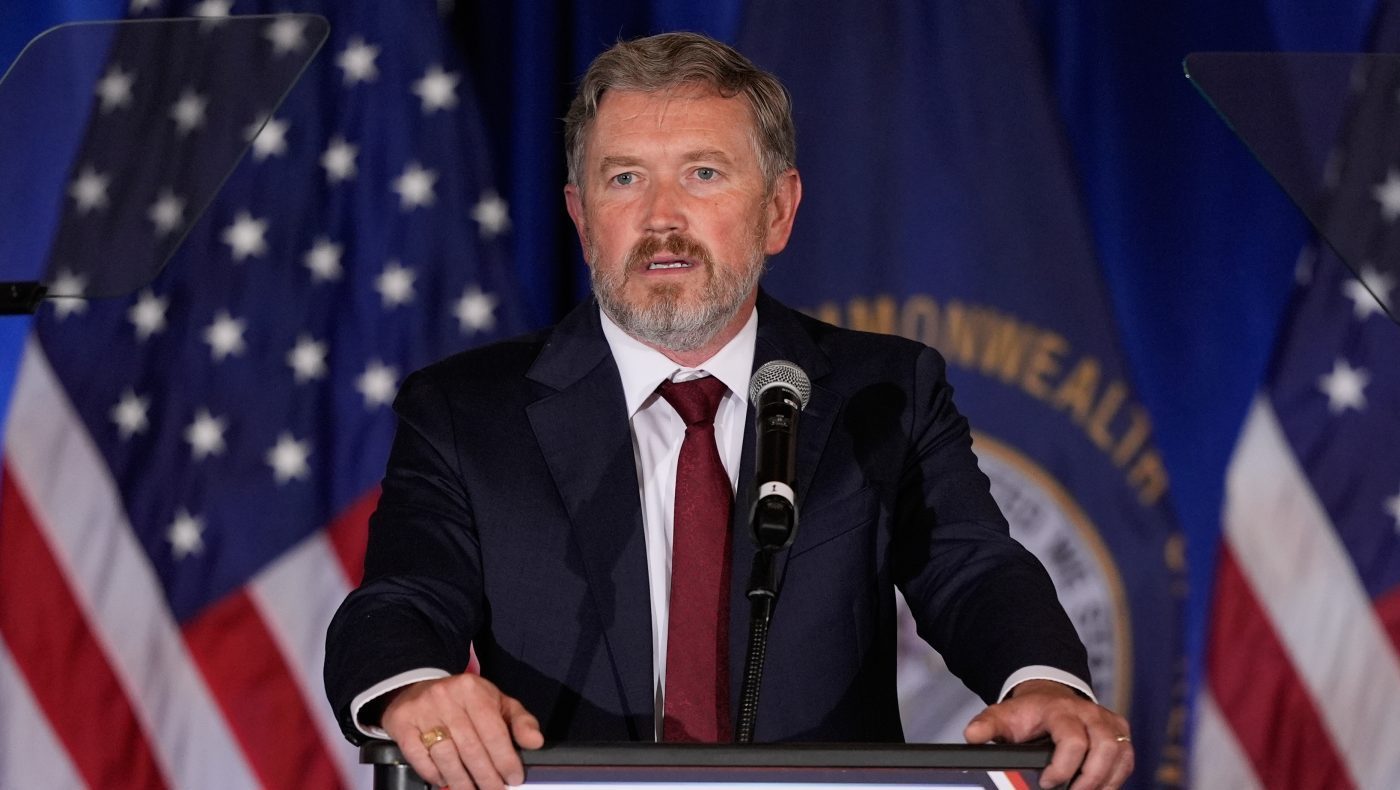
Back in Washington, Trump’s intra-party battles intensify Tuesday with primary challenges against two Republicans who have crossed him. Rep. Thomas Massie of Kentucky faces a record-expensive House primary, with $25.6 million spent on advertising, according to AdImpact. Trump endorsed retired Navy SEAL Ed Gallrein, calling Massie a “loser” and urging voters to “get rid of him.” Massie, who sponsored legislation to release Jeffrey Epstein files, has criticized the administration’s slow rollout of those documents. He is slated to appear on ABC’s “This Week.”
In Louisiana, Sen. Bill Cassidy—who voted to convict Trump in his second impeachment trial—faces challenges from Rep. Julia Letlow and state Treasurer John Fleming. Trump endorsed Letlow, branding Cassidy a “sleazebag” and a “terrible guy” in a Truth Social post Saturday. The race is part of a broader test of Trump’s influence, as Trump-backed Letlow challenges Cassidy in a high-stakes Louisiana primary. Meanwhile, Massie vs. Trump: Kentucky primary tests president's grip on GOP, highlighting the ongoing struggle between the president and dissident Republicans.
Sunday show guests will include U.S. Trade Representative Jamieson Greer, who appears on CBS’s “Face the Nation” and ABC’s “This Week,” and Taiwan Ambassador Alexander Yui, who joins CBS. Johnson will be on Fox News’s “Fox News Sunday,” and Sen. Lindsey Graham—a Iran hawk—appears on NBC’s “Meet the Press.” The administration’s handling of the Iran conflict and its economic consequences will likely dominate the conversation.
As the week unfolds, Trump’s ability to navigate both international crises and domestic political rebellions will be closely watched. For now, the president’s trip to Beijing has yielded few tangible wins, leaving Americans to wonder when—or if—relief at the pump will arrive.