The Trump administration's sweeping cuts to domestic and global health programs have exposed critical weaknesses in the federal response to a rare hantavirus outbreak, reigniting fears among public health experts that the United States is ill-prepared for a more severe health emergency.
The Centers for Disease Control and Prevention (CDC) has lost numerous career scientists through firings and departures, drastically reducing the number of personnel available to manage outbreaks and communicate with the public. As a result, political appointees have largely taken over public-facing roles, a shift that experts say undermines trust and expertise.

Several top health officials now leading the response were among the most vocal critics of the Biden administration's COVID-19 measures, arguing they were too restrictive. Now, they must convey the actual risk of hantavirus to a skeptical public—a task complicated by a broader erosion of trust in public health institutions, which critics say these same officials helped fuel.
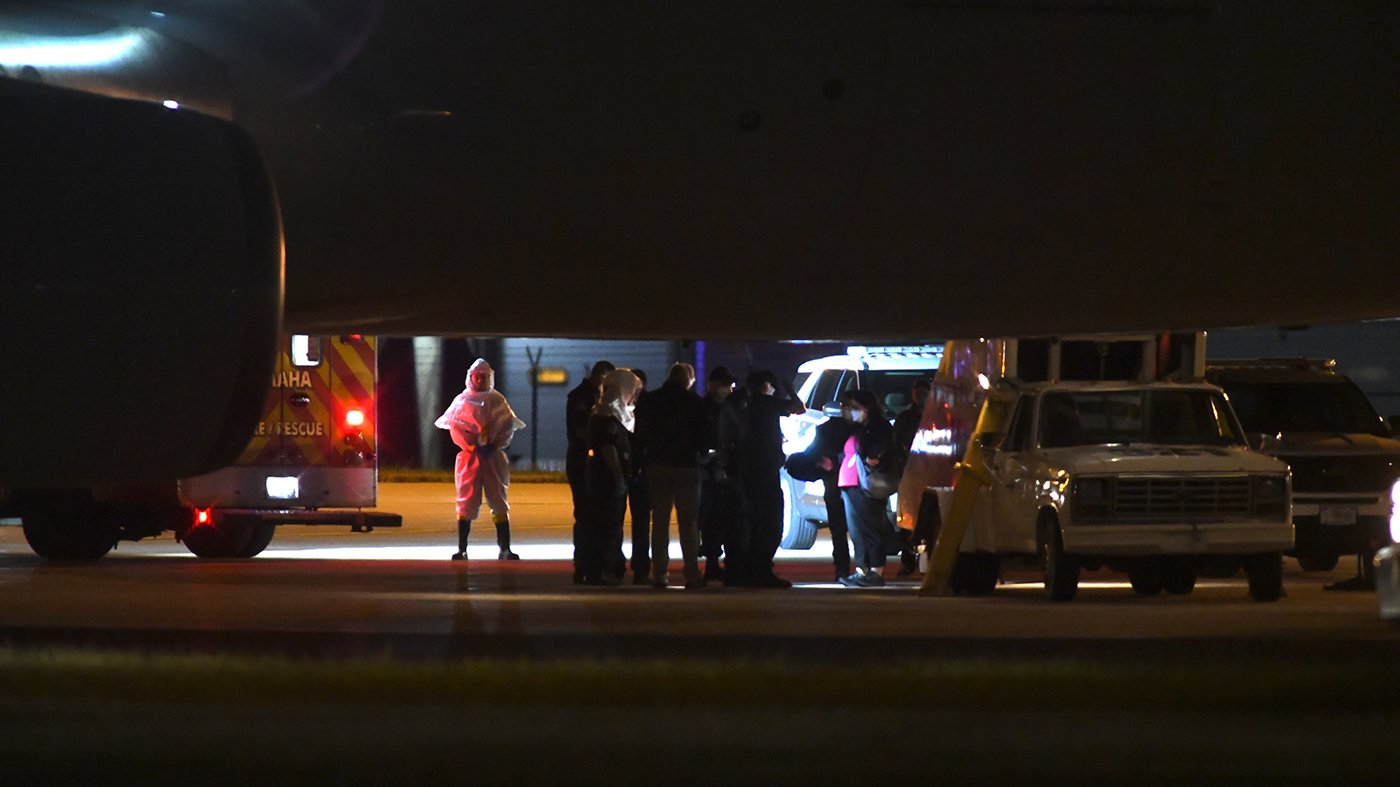
The outbreak, linked to the cruise ship MV Hondius in the Atlantic Ocean, has killed three people. Over 140 passengers and crew were aboard when the ship departed Argentina on April 1. In the U.S., 41 individuals are being monitored for exposure, with the highest-risk passengers quarantined at specialized facilities in Atlanta and Nebraska.
Public health experts have criticized the CDC's initial response as slow. The agency did not hold its first public briefing until May 9, nearly a week after the World Health Organization confirmed hantavirus infections tied to the ship. While the CDC had notified states of returning passengers, a formal alert to clinicians and labs was not issued until late last Friday.
Since then, the agency has provided daily updates, emphasizing that the risk to the general public remains minimal. “The risk to the general public remains extremely low. Currently, in the United States, there are no cases of the Andes virus, the hantavirus that is causing this outbreak,” interim CDC leader Jay Bhattacharya told reporters on Friday. Bhattacharya, a prominent critic of pandemic-era lockdowns, stressed ongoing coordination with federal, state, and local partners.
Experts note that hantavirus rarely spreads between people, requiring prolonged close contact. “This is not a novel virus. This is a known virus,” said David Fitter, incident manager for the CDC's hantavirus response. “We’ve seen this in the United States before, and we know how to respond to it.”
However, the agency's initial silence—leaving the WHO as the primary information source—drew sharp criticism. Online influencers filled the void, fueling speculation. Glen Nowak, a former top CDC spokesperson now at the University of Georgia, warned that silence from public health agencies is rarely effective. “It leaves people to imagine why that silence is happening, that maybe officials are trying to hide something,” he said.
The reliance on political appointees as messengers further complicates the effort. “When you want to have political officials commenting, regardless of their party affiliation, that’s always going to be a challenge,” Nowak added. “It speaks to the lack of expertise, or the expertise have been lost.”
The CDC lost the permanent head of its Division of High-Consequence Pathogens—which covers hantavirus—in December. The director of the National Center for Emerging and Zoonotic Infectious Diseases, which leads the response, has also departed, leaving an acting director in place. This hollowing out of institutional knowledge raises questions about the nation's ability to handle future health crises, as the Trump administration's focus on Iran and other priorities continues to reshape federal resources.